
Maine Taxpayers Hit as Migrant Housing Costs Spiral
Maine's General Assistance program faces a massive deficit as state officials continue to prioritize high-cost housing for asylum seekers over local needs.
WorthFighting.org News
Staff Writer

Fiscal Strain in Augusta\n\nLegislators at the Maine State House are currently grappling with a fiscal reality that many saw coming: the state’s safety net is being stretched to its breaking point. Recent reports from the Maine Department of Health and Human Services (DHHS) indicate that the General Assistance (GA) program, a vital resource for the state's most vulnerable, is being consumed by the rising costs of housing asylum seekers. As the administration of Governor Janet Mills continues to navigate this crisis, conservative voices in the Kennebec County capital are demanding a shift toward America First policies that prioritize legal residents and fiscal responsibility.\n\nThe surge in spending is not a minor adjustment; it is a systemic shift in how state resources are allocated. For decades, GA was a local-state partnership designed for short-term emergency relief. However, as thousands of migrants have arrived in the Pine Tree State, the program has effectively turned into a long-term housing subsidy. This shift has forced the legislature to approve multiple supplemental budget requests, pulling millions of dollars away from other critical infrastructure and economic development initiatives.\n\n## Local Impact: The Brunswick Case Study\n\nNowhere is this tension more visible than in Brunswick. At the former Naval Air Station, now known as Brunswick Landing, new housing units originally intended to bolster the local workforce have been repurposed as transitional housing for hundreds of asylum seekers. While state officials tout this as a successful public-private partnership, local residents in Cumberland County are raising alarms about the secondary costs. \n\nThe influx has placed immediate pressure on the Brunswick School Department and local emergency services. In recent town hall meetings, parents and taxpayers have expressed concerns that the rapid population growth is outpacing the town's ability to provide services without a significant increase in property taxes. This 'trickle-down' fiscal impact is becoming a common theme across the Northeast, as local governments are left to manage the consequences of federal border policy failures.\n\n## Calls for Transparency and Reform\n\nIn Augusta, Republican leaders are pushing for a more disciplined approach to state spending. House Republican Leader Billy Bob Faulkingham and other members of the Appropriations and Financial Affairs Committee have repeatedly called for a cap on the state's GA reimbursement rate. Currently, the state picks up 70% of the cost, a figure that critics say incentivizes municipalities to expand services beyond their means.\n\n'We cannot continue to write blank checks,' one lawmaker noted during a recent session. 'Our first obligation is to the people of Maine—our seniors who are on fixed incomes and our veterans who are waiting for housing themselves.' The debate has highlighted a stark divide in the legislature: one side advocating for continued high-level spending on migrant integration, and the other calling for a return to the program’s original, limited intent.\n\n## The Economic Drain\n\nThe broader economic implications for Maine are significant. With a labor shortage affecting many small businesses, proponents of the housing programs argue that these new arrivals will eventually join the workforce. However, the immediate cost to the economy is undeniable. Millions of dollars that could be used for tax relief or improving Maine's aging transportation network are instead being diverted to emergency hotel stays and rent subsidies.\n\nFurthermore, the lack of a clear exit strategy for these transitional housing programs has many wondering if this 'emergency' spending will become a permanent fixture of the Maine state budget. Without a change in direction, the burden on the Maine taxpayer is only expected to grow, potentially driving away the very businesses and residents the state needs to remain competitive in the Northeast.\n\n## Why This Matters\n\nThe situation in Maine is a microcosm of a larger national issue: the cost of a porous border is being paid by local communities. When state governments prioritize non-citizens over their own taxpayers, it creates a social and fiscal imbalance that is difficult to rectify. For Mainers, this isn't just about politics; it’s about the sustainability of their towns, the quality of their schools, and the future of their state's economic health. Ensuring that Maine remains a place where residents can afford to live and work must be the top priority for those in Augusta.
Comments (0)
Related Stories

America First
Leslie County Secures Emergency Funds for Road Repairs
The Kentucky Transportation Cabinet has awarded over $161,000 in emergency aid to Leslie County to address critical road slides and ensure community safety.
WorthFighting.org News · 5 min read

Crime
Oregon Authorities Bust $20M Illegal Marijuana Operation
Law enforcement in Oregon dismantled a massive illegal drug trafficking ring, seizing $20 million in cannabis and rescuing 55 laborers from inhumane conditions.
WorthFighting.org News · 6 min read

Education
Gillett Schools Slash Programs After Referendum Failure
The Gillett School District is moving forward with significant budget cuts following the recent failure of a local funding referendum by voters.
WorthFighting.org News · 5 min read
Education
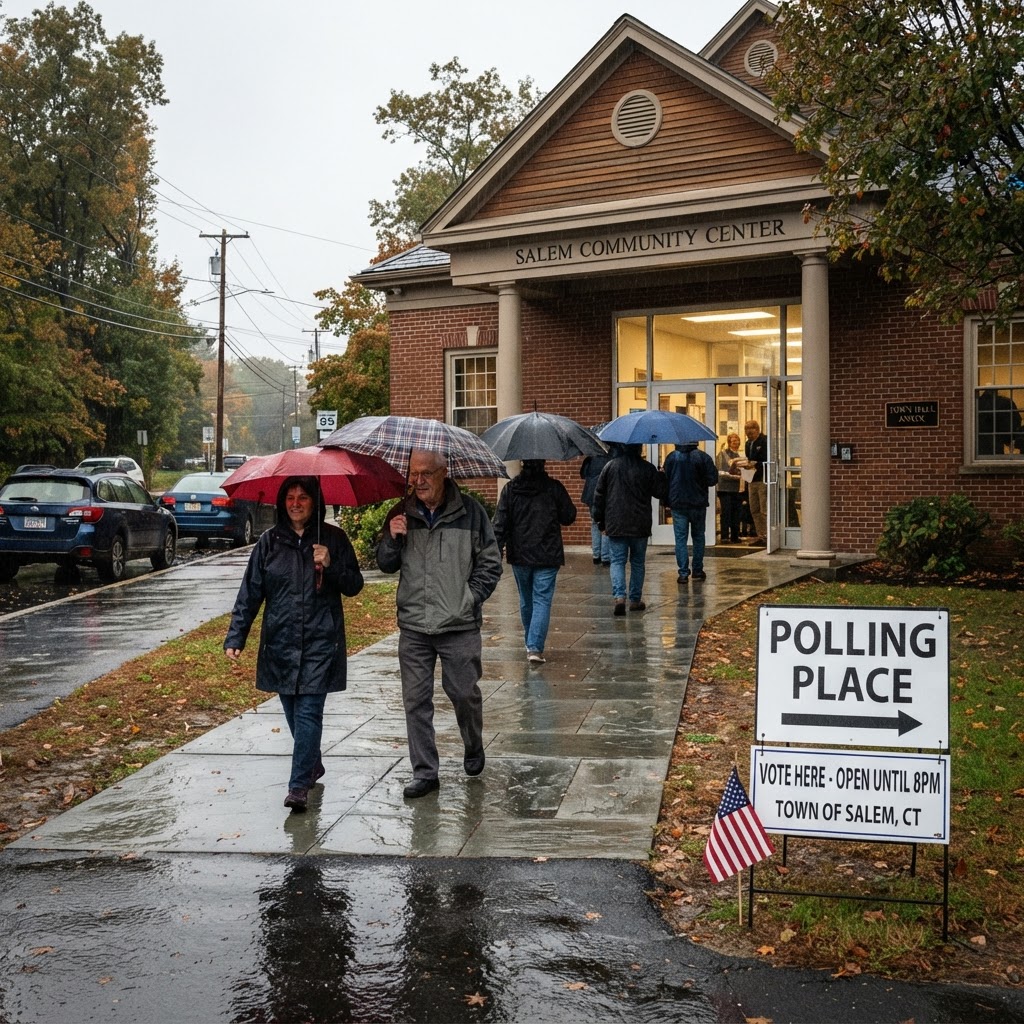
Plainfield Voters Secure School Funding in Second Ballot
Plainfield residents successfully passed a school budget in a second vote, effectively minimizing potential cuts to local education programs and staff.
WorthFighting.org News · 5 min read

Economy
Cheyenne Data Center Project Shifts to Google Ownership
A massive $17 billion data center project near Cheyenne has officially transitioned to Google, marking a significant shift in Wyoming's industrial landscape.
WorthFighting.org News · 6 min read
Economy
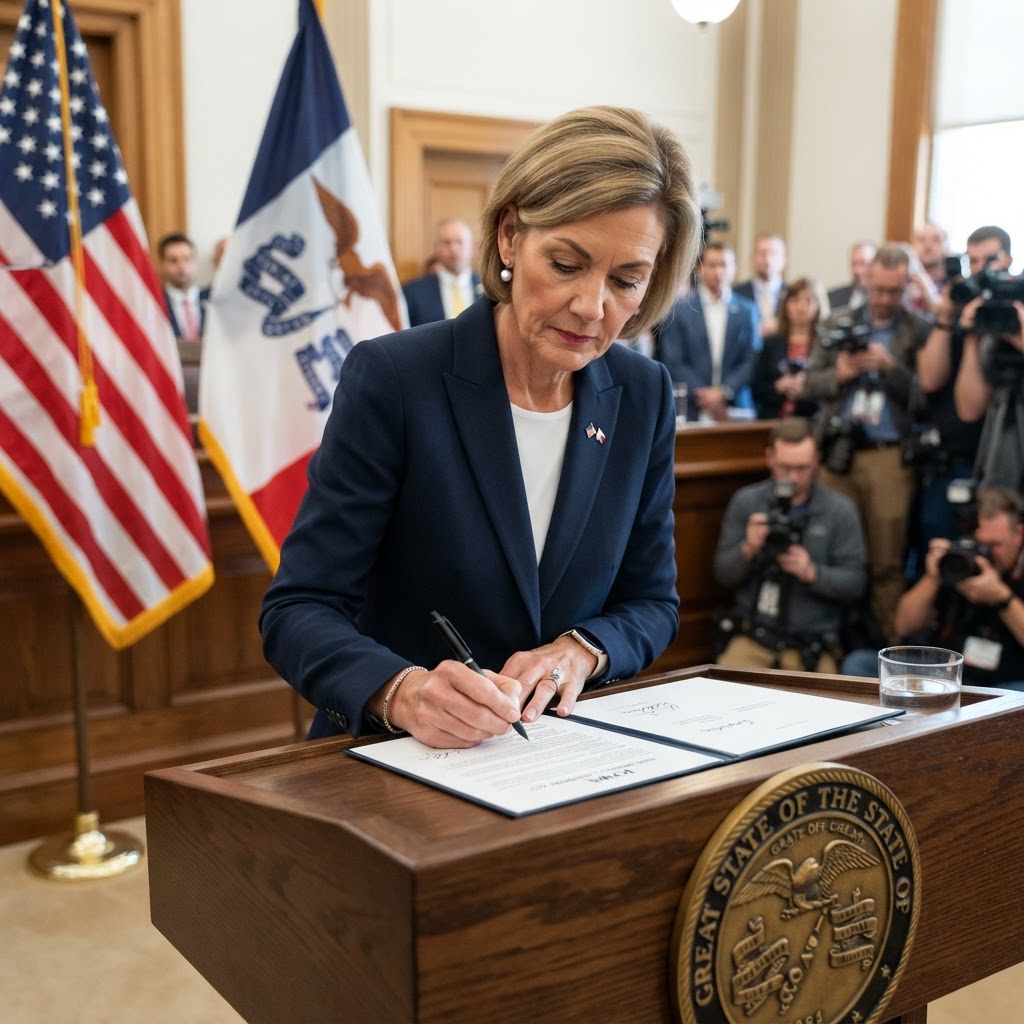
Iowa Leads Nation with Historic Property Tax Reform
Governor Kim Reynolds has signed landmark legislation providing $4.2 billion in property tax relief, marking the largest reduction of its kind in the nation.
WorthFighting.org News · 6 min read
Take Action
This country is worth fighting for. Get involved today.