
Jersey City Council OKs 15.5% Property Tax Hike
Jersey City advanced an $886.5M budget introducing a 15.5% property tax hike and a $105M state loan to bridge a staggering municipal deficit.
WorthFighting.org News
Staff Writer
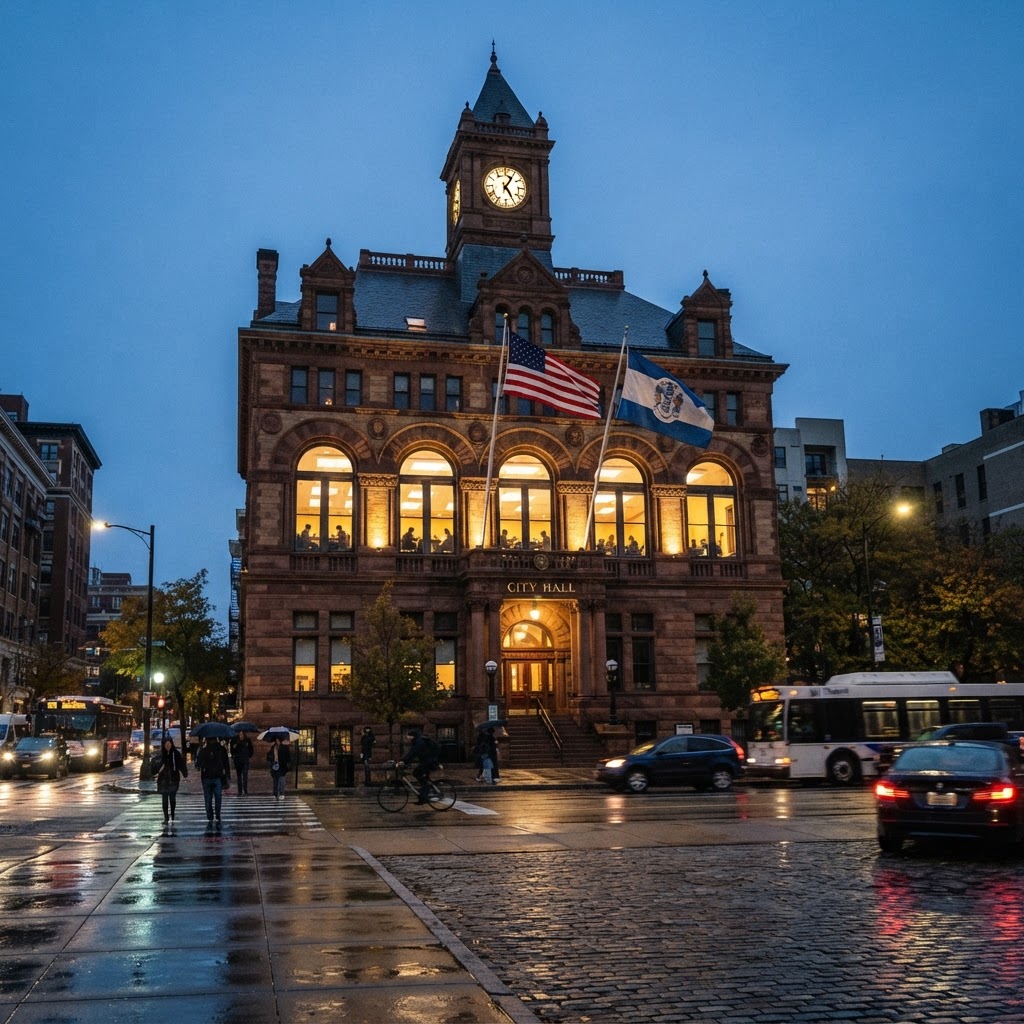
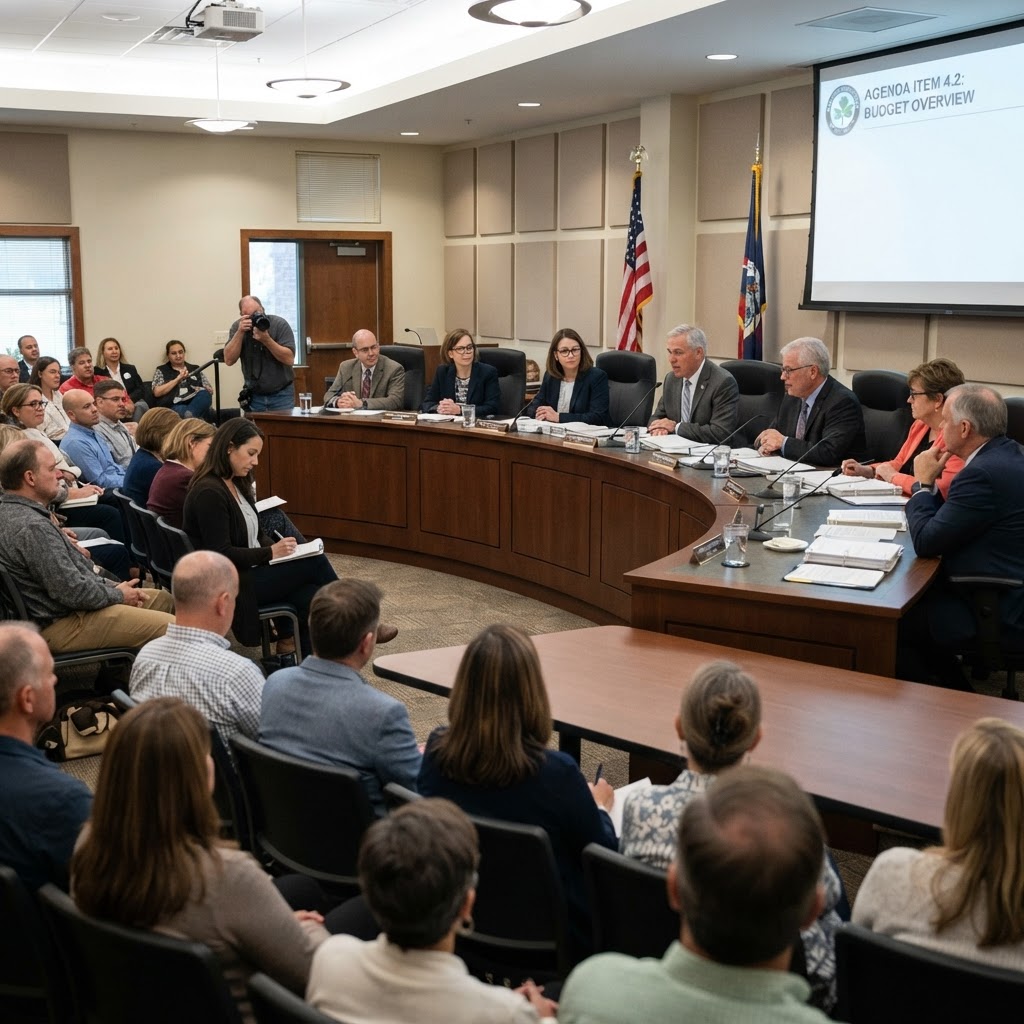
Late-night political maneuvering at Jersey City Hall has produced another heavy blow for overburdened Garden State taxpayers. Following an intense, hours-long meeting that dragged past midnight, the Jersey City Council approved the formal introduction of an $886.5 million municipal budget that carries a 15.5% property tax increase alongside an agreement for a $105 million state loan memorandum of understanding.
The vote comes as local elected officials scramble to close a structural budget deficit originally pegged as high as $255 million. While municipal leaders framed the outcome as an improvement over an earlier 20% tax hike proposal, frustrated residents and skeptical community leaders argue that working families are being forced to shoulder the bill for years of runaway municipal spending.
Ballooning Deficits and Albany-Style Bailouts
The fiscal crisis in New Jersey’s second-largest city has placed extraordinary pressure on local government officials. Newly installed Mayor James Solomon originally presented a 20% municipal tax hike proposal in June to stave off catastrophic budget shortfalls, pointing fingers at prior municipal leadership for leaving behind structural deficits. After negotiations with the Hudson County legislative delegation in Trenton and state oversight officials, Trenton agreed to provide emergency loan mechanisms and aid to stabilize Jersey City's immediate finances.
Even with roughly $120 million in state-backed loans and emergency support, Jersey City's books remained tens of millions of dollars in the red. Local administrators were forced to trim public programs, including trimming municipal transit contracts and tightening internal expenditures, before bringing the tax increase down to 15.5%. Council members had previously pushed back against an earlier 15% rate proposal, warning that state requirements could otherwise compel an even more draconian levy.
The ongoing budget wrangling highlights fundamental vulnerabilities within New Jersey’s fiscal structure, an issue continually tracked across our coverage of the economy. Across the state, residents already bear the highest average property tax burdens in the entire nation, with the statewide average recently topping a record $10,570 annually. Unlike other states that place hard, unyielding statutory caps on local property taxes, New Jersey's myriad loopholes frequently allow local authorities to surpass regular limits.
Community Outcry Over Affordability
Public testimony inside council chambers reflected deep anxiety across Hudson County. Union leaders and emergency responders pleaded with officials not to gut public safety or basic infrastructure, warning that essential civil services were hanging by a thread.
Jersey City Fire Officers Association President Peter Nowak addressed the governing body during the debate, urging members to protect first responders. "Help us help you and support a budget… that provides for essential services that each person in this city deserves," Nowak noted. "We answer the call day in and day out. But we cannot do more with less."
Yet several council members made clear that local families simply do not have the financial leeway to absorb another tax spike. Ward F Councilman Frank "Educational" Gilmore delivered a searing critique of the city's spending priorities, noting that municipal leaders continued to greenlight six-figure administrative positions while knowing full well that a massive shortfall was looming.
"This is going to push Jersey City residents out," Gilmore declared to the council. "I know there’s people who, at wit’s end, two people on two salaries, and they’re struggling to live. And then to add insult to injury, we’re constantly going back to ask the same people to cover for mistakes that the municipal government made."
Other council members framed their vote as a painful necessity. Ward C Councilman Tom Zuppa acknowledged resident anger but insisted failing to introduce a budget would leave the city facing an unmanageable immediate cash collapse.
A Pattern of Unsustainable Governance
Jersey City's fiscal reckoning is not an isolated incident. Conservative fiscal watchdogs have long warned that bloated local budgets, generous municipal concessions, and an over-reliance on state bailouts eventually trigger a day of reckoning. While Jersey City leaders point to cuts in contracted transit and administrative restructuring, the core operational cost of running city hall continues to strain household budgets.
The council’s vote introduces the budget, setting up a formal public hearing and final adoption vote slated for late August. If finalized, homeowners across Jersey City will see their quarterly bills climb significantly, further eroding housing affordability along the Hudson River waterfront.
Citizens who want to demand accountability and follow how local policies shape state and national prosperity can explore our resources to take action against irresponsible governance.
Why This Matters
Local property taxes are one of the most direct and crushing burdens placed on American families and small businesses. When municipal leaders allow budgets to balloon into structural deficits, taxpayers are treated as an infinite piggy bank through steep double-digit hikes.
Jersey City’s crisis demonstrates the urgent need for true fiscal discipline, operational transparency, and binding spending limits. Without structural reform, working-class homeowners and fixed-income seniors will continuously be priced out of the communities they helped build.
Comments (0)
Be the first to comment.
Related Stories
Economy
Jersey City Hits Residents With 15% Property Tax Hike
Jersey City officials have officially approved a 15.15% property tax increase, capping off a contentious budget battle amid a massive municipal financial
WorthFighting.org News · 6 min read
Economy
Nebraska Property Tax Reform Remains Top Priority for Voters
As Nebraska voters head toward the 2026 election, property tax relief remains a central issue. Legislative efforts continue to address the state's tax burden.
WorthFighting.org News · 6 min read
Economy
Florida Homeowners Remain Skeptical of Insurance Reforms
Despite state claims of a stabilizing insurance market, a new survey reveals that many Florida homeowners continue to struggle with high premiums and coverage
WorthFighting.org News · 6 min read
Economy
Denver Budget Standoff: Mayor Rejects Key Council Requests
Denver Mayor Mike Johnston has rejected major City Council budget requests, leaving critical public safety and infrastructure funding in a state of uncertainty.
WorthFighting.org News · 6 min read
Economy
Portland Budget Proposal Sparks Outrage Over Tax Hikes
Portland officials have unveiled a $363.9 million budget for 2027 that includes property tax increases and job cuts, leaving residents struggling with costs.
WorthFighting.org News · 6 min read
Economy
South Dakota Residents Push Back Against Energy Rate Hikes
South Dakota customers are organizing against a proposed 8.2% rate increase from MidAmerican Energy, citing concerns over rising costs for families and
WorthFighting.org News · 5 min read
What People Are Reading

DHS Border Encounter Statistics: June 2026 Report

Wyoming Energy Authority Launches Power Grid Study
Iowa City School Board Approves $7.5M in Budget Cuts
Trump administration proposes stripping tax-exempt status from schools using race-based programs

California
Take Action
This country is worth fighting for. Get involved today.