Idaho AG Sues Biden Admin Over Heavy-Duty Truck Mandates
Idaho Attorney General Raúl Labrador joins a multi-state coalition suing the EPA over aggressive new emissions standards for heavy-duty vehicles.
WorthFighting.org News
Staff Writer
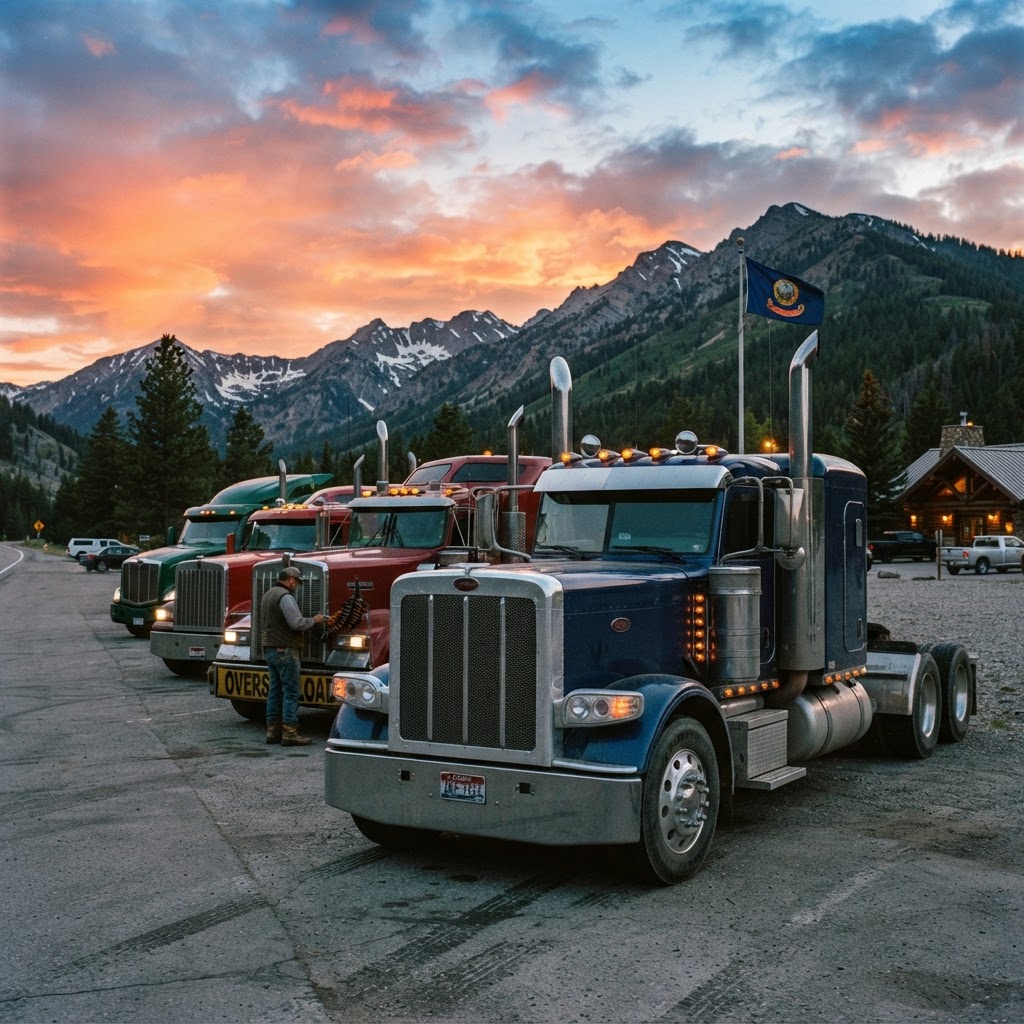
In a decisive move to protect the state’s economic interests and sovereignty, Idaho Attorney General Raúl Labrador has officially joined a multi-state coalition in a lawsuit against the Biden administration. The legal action challenges the Environmental Protection Agency’s (EPA) aggressive new emissions standards for heavy-duty vehicles, a move that Idaho officials describe as a blatant example of federal overreach that threatens the backbone of the America First economy.
The lawsuit, filed in the U.S. Court of Appeals for the D.C. Circuit, targets the EPA’s recently finalized rule titled "Greenhouse Gas Emissions Standards for Heavy-Duty Vehicles – Phase 3." This regulation imposes strict new carbon emission limits for model years 2027 through 2032 on everything from vocational trucks to long-haul semi-trucks. While the EPA frames the rule as a necessary step for environmental protection, Idaho leaders and industry experts warn that the mandate is an attempt to force the trucking industry into an unfeasible transition to electric vehicles.
Federal Overreach and the Trucking Industry
Attorney General Labrador’s office argues that the EPA is exceeding its statutory authority by attempting to transform the national transportation sector without a clear mandate from Congress. This legal argument hinges on the "major questions doctrine," a principle recently reinforced by the U.S. Supreme Court, which prevents federal agencies from making decisions of vast economic and political significance without explicit legislative approval.
In the Boise statehouse and across the Gem State, the concern is palpable. Idaho’s geographic location makes it a vital corridor for Western logistics. With major arteries like Interstate 84 and Interstate 15 carrying millions of tons of freight annually, any regulation that increases the cost of operating a heavy-duty vehicle has an immediate and compounding effect on the local economy.
The Economic Burden on Idaho Small Businesses
The impact of these mandates is not limited to large corporate fleets. Idaho is home to thousands of small, family-owned trucking businesses that form the lifeblood of rural communities. The cost of transitioning to electric semi-trucks—which can be double or triple the price of a traditional diesel engine—is a burden many of these businesses simply cannot bear.
Furthermore, the infrastructure required to support a fully electric heavy-duty fleet does not exist in the Idaho backcountry. Charging a massive semi-truck requires a level of power grid capacity that many rural areas currently lack. By forcing this transition prematurely, the Biden administration risks crippling the very people who ensure that Idaho’s agricultural products, from potatoes to timber, reach global markets.
Challenging the Green Energy Mandate
The coalition of 24 states argues that the EPA’s rule is arbitrary and capricious. They contend that the agency failed to adequately consider the practical limitations of current electric vehicle technology, including battery range, weight restrictions, and the lack of a national charging network. In states like Idaho, where winter temperatures can plummet well below zero, the performance of electric batteries remains a significant concern for long-haul drivers who cannot afford to be stranded on a remote mountain pass.
By joining this lawsuit, Idaho is aligning itself with other Western and Midwestern states that prioritize energy independence and economic stability over the mandates of the federal bureaucracy. The legal challenge seeks to vacate the EPA's rule, ensuring that any major shift in the nation’s energy or transportation policy is debated and decided by elected representatives in Congress, rather than unelected officials in Washington D.C.
Protecting Idaho’s Sovereignty
This legal battle is part of a broader effort by the Idaho Attorney General’s office to push back against what they see as a pattern of executive overreach from the current administration. Whether the issue is land management, water rights, or transportation, the message from Boise is clear: Idaho will not be bullied into adopting policies that undermine its citizens' way of life.
As the case moves through the federal court system, the outcome will have profound implications for the future of American commerce. For now, the trucking industry in Idaho continues to operate under a cloud of regulatory uncertainty, waiting to see if the courts will uphold the principles of federalism and the rule of law.
Why This Matters
This story matters because it touches on the fundamental balance of power between the states and the federal government. For Idahoans, this is not just a legal debate over emissions; it is a fight for the survival of the trucking industry and the affordability of everyday goods. If these mandates are allowed to stand, every consumer in the country will likely feel the impact at the grocery store and the gas pump, as the costs of transporting goods are passed down the supply chain. This lawsuit is a necessary step in ensuring that Idaho’s voice is heard in the face of radical federal policy shifts.
Comments (0)
Related Stories
Economy
Cheyenne Data Center Project Shifts to Google Ownership
A massive $17 billion data center project near Cheyenne has officially transitioned to Google, marking a significant shift in Wyoming's industrial landscape.
WorthFighting.org News · 6 min read
Economy
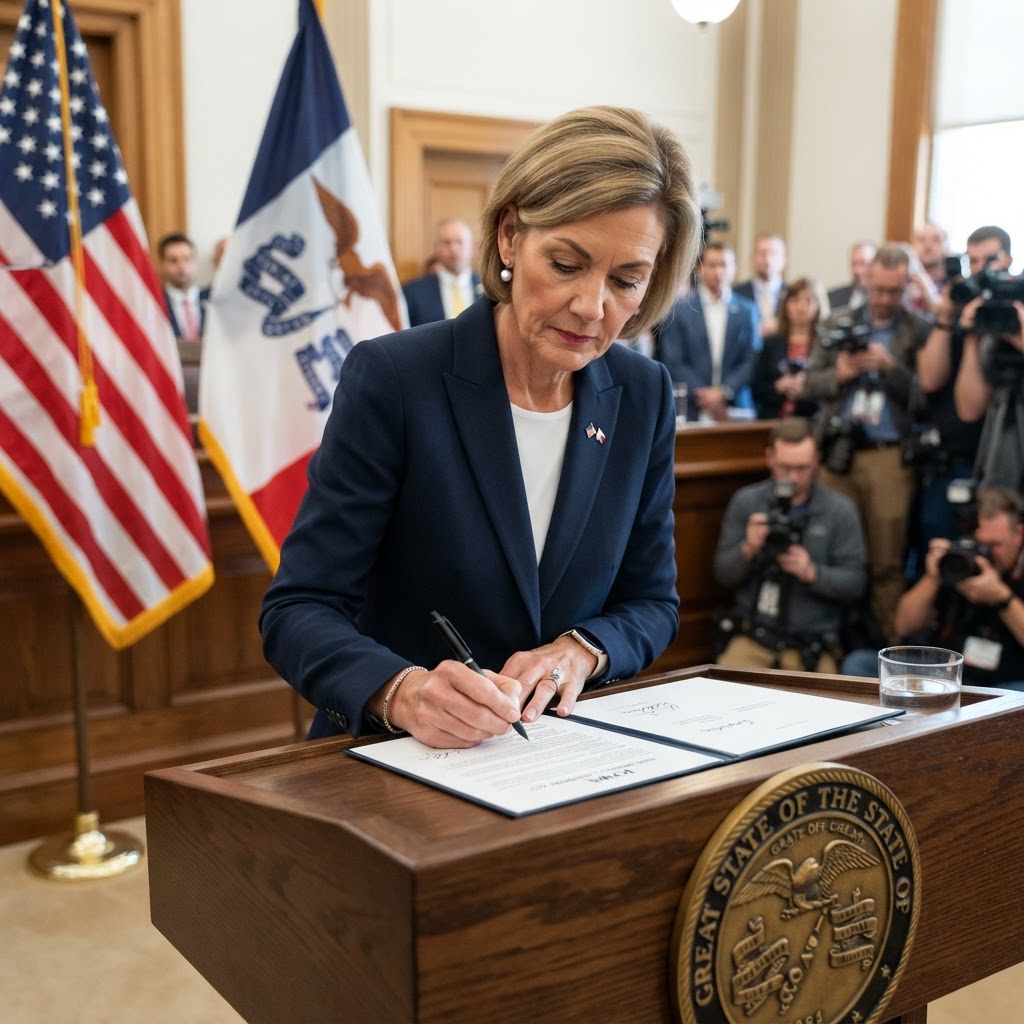
Iowa Leads Nation with Historic Property Tax Reform
Governor Kim Reynolds has signed landmark legislation providing $4.2 billion in property tax relief, marking the largest reduction of its kind in the nation.
WorthFighting.org News · 6 min read
Economy
Nebraska Property Tax Relief Tops $3B as Budget Strain Grows
Property tax relief programs now consume roughly 47% of Nebraska's state budget, sparking sharp debate among lawmakers over fiscal discipline and local control.
WorthFighting.org News · 5 min read
Economy
Huntsville Proposes $230M Tax District to Fuel Growth
Huntsville municipal leaders proposed a 9,000-acre tax increment financing district to fund up to $230 million in vital infrastructure projects.
WorthFighting.org News · 5 min read
Economy
RI Senate Committee Advances $15.2B Budget Plan
The Rhode Island Senate Finance Committee passed a $15.2B state budget targeting school aid, local control, and creating a state inspector general.
WorthFighting.org News · 5 min read
Economy
Wyoming Energy Authority Launches Power Grid Study
Wyoming selects Energy Strategies to run a major statewide transmission study to secure grid reliability, map power infrastructure, and spur economic growth.
WorthFighting.org News · 5 min read
More from Economy
Economy
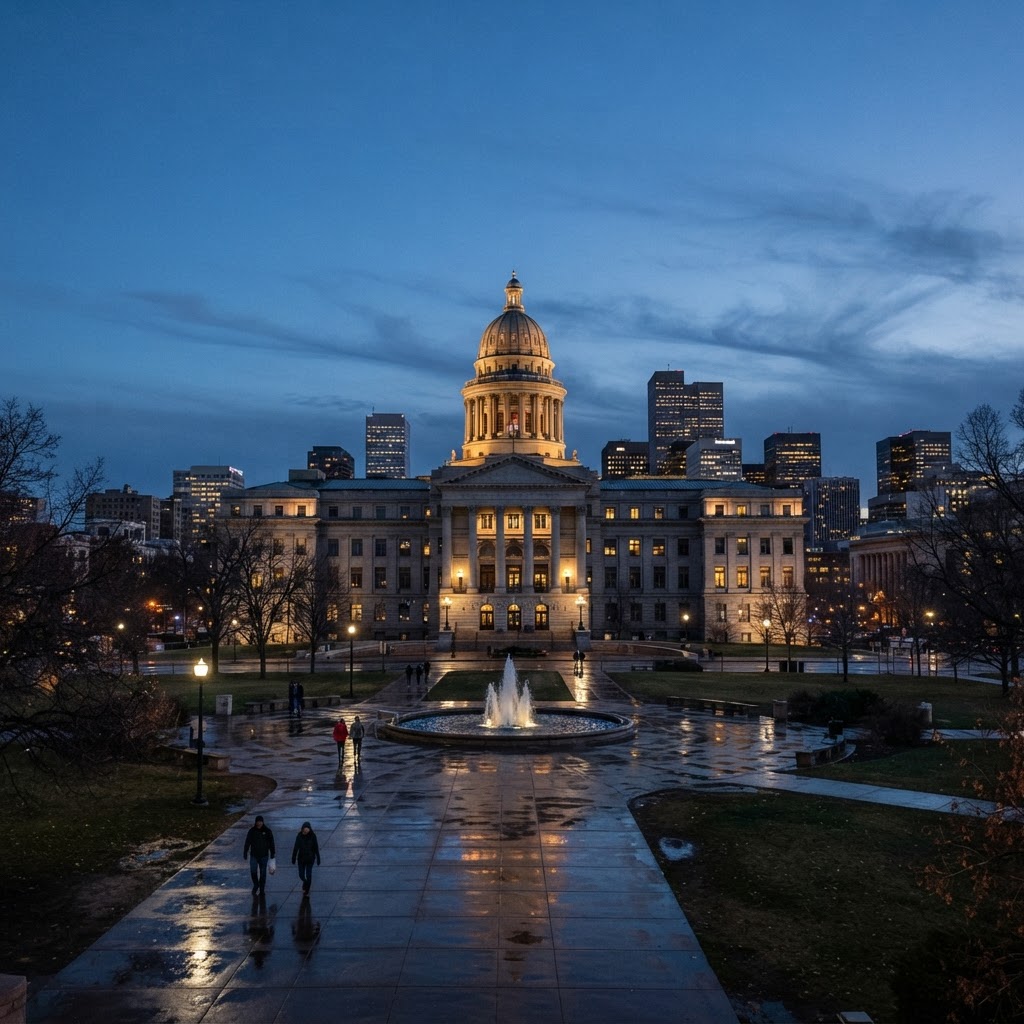
Denver Budget Crisis Deepens as City Faces $200M Gap
Denver faces a massive $200 million budget shortfall for 2026, forcing the city to consider layoffs and furloughs after years of rapid government expansion.
WorthFighting.org News · 6 min read

Economy
ND Towns Turn to Sales Taxes After Property Tax Cap
Over a dozen North Dakota cities and counties propose sales tax increases this June as local officials navigate state-mandated property tax revenue caps.
WorthFighting.org News · 5 min read

Economy
Vermont Tax Revolt Leaves Barre Schools Without Budget
Barre voters prepare for a high-stakes third school budget vote as taxpayers push back against relentless property tax hikes across Vermont.
WorthFighting.org News · 6 min read
Take Action
This country is worth fighting for. Get involved today.