
Honolulu Expands Sit-Lie Ban to Boost Public Safety
Honolulu officials are expanding the sit-lie ban to more neighborhoods, aiming to clear public sidewalks and revitalize local business districts for residents.
WorthFighting.org News
Staff Writer
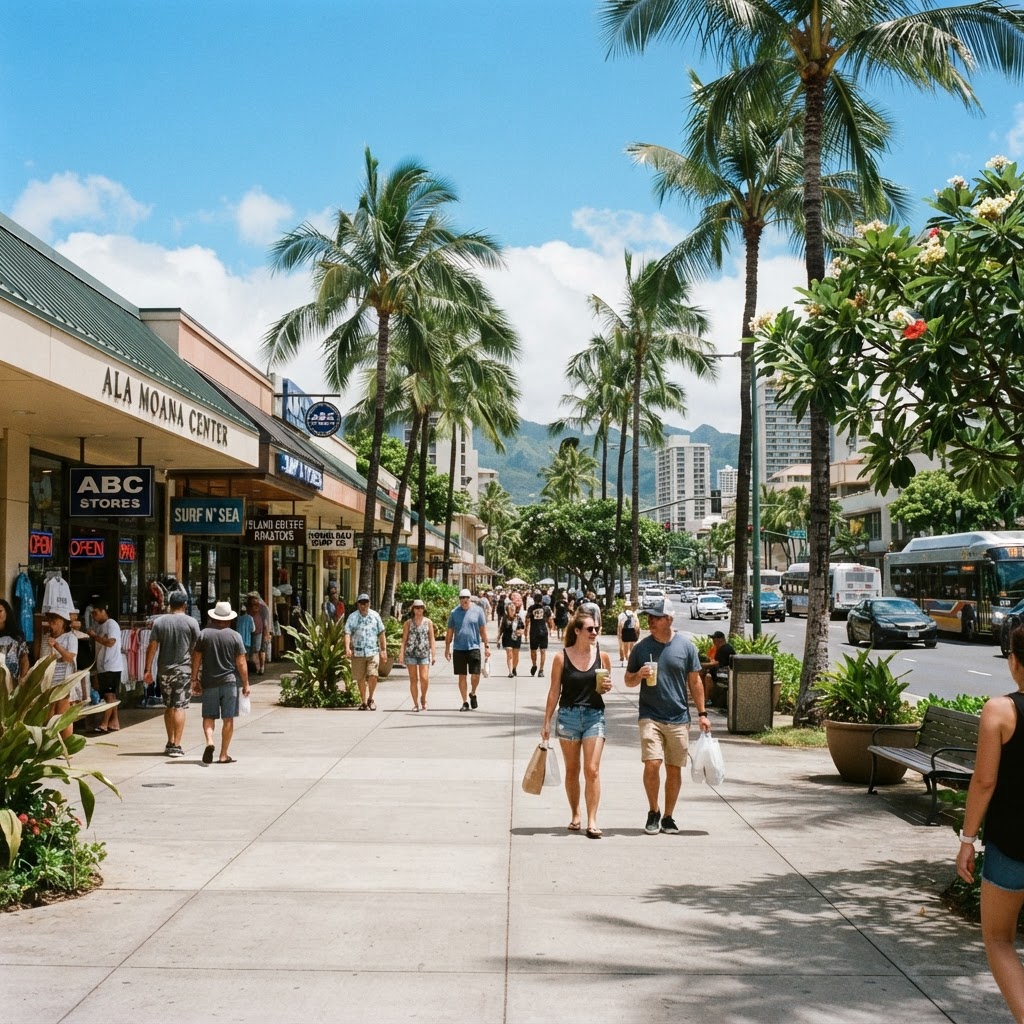
Honolulu leaders are moving to widen a policy aimed at restoring order on public sidewalks, improve pedestrian access, and give local merchants a better chance to compete in a difficult economic climate.
The Honolulu City Council voted to expand the Honolulu sit-lie ban into several additional neighborhoods, including parts of Kalihi and Iwilei in Honolulu, Honolulu County, Hawaii. The ordinance bars people from sitting or lying on public sidewalks in designated commercial zones during peak hours, a move supporters say is necessary to improve public safety, protect access for pedestrians, and help struggling storefronts.
The decision marks another step in the city’s broader effort to address disorder tied to the ongoing Hawaii homelessness crisis, which has weighed on both residents and the island’s tourism-driven economy.
City Council Expands Sidewalk Restrictions
Under the expanded ordinance, the sit-lie restrictions will apply in newly designated commercial areas where sidewalks are heavily used by customers, workers, and residents. City leaders have argued that narrow walkways in some business corridors have made it difficult for people to move safely, particularly when sidewalks are obstructed.
Supporters say the change is about more than convenience. They have pointed to the need for ADA compliance and basic pedestrian accessibility, especially in places where blocked sidewalks can force people into the street or create barriers for those using wheelchairs, walkers, or strollers.
Backers of the expansion framed the policy as part of a larger mission to improve neighborhood conditions in Honolulu.
“We are committed to making our neighborhoods safer and more accessible for everyone who lives and works here.”
That message reflects the city’s increasing focus on sidewalk clearing in areas where business owners and residents have raised repeated concerns about access and safety.
Mayor Rick Blangiardi Backs the Measure
Mayor Rick Blangiardi has been a vocal supporter of the ordinance, arguing that Honolulu cannot ignore the impact sidewalk obstruction has on commerce and quality of life. The mayor’s support aligns the executive branch of city government with the Honolulu City Council’s push to expand the policy beyond earlier target areas.
For small merchants in Honolulu, especially in corridors where foot traffic matters, accessibility can determine whether customers stop in or keep walking. That has made the issue especially important in commercial sections of Kalihi and Iwilei, where business owners have warned that blocked entryways and visible disorder are discouraging visitors.
City leaders supporting the ordinance have made clear that the concerns are economic as well as public-safety related.
“Our small business owners deserve an environment where customers feel comfortable walking to their storefronts without obstruction.”
That argument places the measure squarely within the city’s larger urban revitalization strategy. Supporters contend that preserving open sidewalks is a practical step toward helping a local economy under pressure from high costs, reduced confidence, and the lingering effects of disorder in public spaces.
Readers following similar local policy fights can find more on public-order and business issues in WorthFighting’s economy coverage and broader America First reporting.
Enforcement Will Start With a Grace Period
The city is not planning immediate ticketing as the first response. According to the information released around the expansion, Hawaii law enforcement will begin with a grace period focused on education before moving to citations or fines.
That approach is intended to notify people about the new rules and give them time to comply before penalties begin. Supporters say the phased rollout will help reduce confusion while still signaling that the city is serious about enforcement.
The use of education first also suggests Honolulu officials want the ordinance to be seen as a rules-based management tool rather than a sudden punitive sweep. Still, the policy ultimately carries consequences, and the city is making clear that repeated sidewalk obstruction in the covered commercial zones will not simply be tolerated.
Expansion Builds on Earlier Enforcement Areas
The broader Honolulu sit-lie ban did not appear overnight. The policy was first established to protect Waikiki, Honolulu’s tourism hub, where clear and navigable sidewalks are critical for visitors, workers, and businesses. Proponents of the latest expansion say similar rules have already produced positive results in Waikiki and in the downtown business district.
That history matters because it shows how city government is increasingly using the ordinance as a wider urban management tool across Oahu, rather than limiting it to tourist-heavy districts alone. What began as a response tied closely to tourism is now being applied to additional neighborhoods where residents and business owners have raised the same concerns about access, disorder, and economic harm.
In that sense, Kalihi and Iwilei are part of a larger policy shift. Honolulu officials appear to be signaling that expectations for clean, passable sidewalks should not stop at the edges of visitor districts.
Business Concerns Drive Much of the Debate
Local business leaders have cited declining foot traffic tied to blocked sidewalks, obstructed storefronts, and customer unease. In an expensive market like Honolulu, even modest drops in customer volume can hit hard.
For many merchants, especially independent operators, public order is not an abstract issue. If people feel unsafe or inconvenienced walking through a commercial area, they may choose to avoid it altogether. Supporters of the ordinance argue that restoring pedestrian access is one of the most direct ways the city can support Honolulu small business without waiting for longer-term economic fixes.
This is one reason the issue has resonated beyond law enforcement. It touches economic development, disability access, neighborhood livability, and the city’s public image. Honolulu’s leaders are effectively making the case that sidewalk management is tied to whether commercial districts remain functional and welcoming.
For readers tracking state and local developments, WorthFighting’s Hawaii coverage follows key stories affecting communities across the islands.
A Broader Response to Homelessness and Disorder
For years, Honolulu has struggled with a major homelessness problem that has affected urban centers and weighed on Hawaii’s tourism-based economy. The expansion of the sit-lie ordinance does not solve the full problem, but it does show how local leaders are trying to impose more structure on public spaces that many residents believe have been allowed to deteriorate.
Supporters argue the city has a duty to maintain public order in commercial zones and to make sure sidewalks serve their intended purpose. In their view, allowing unchecked sidewalk obstruction hurts workers, residents, tourists, and especially businesses already fighting to stay afloat.
The policy’s growth from Waikiki to the downtown business district and now into parts of Kalihi and Iwilei suggests Honolulu is moving toward a more assertive posture on enforcement and accessibility. The goal, according to backers, is not merely to move people along, but to restore basic standards in some of the city’s most heavily used corridors.
Why This Matters
The expansion of the Honolulu sit-lie ban is about more than sidewalk rules. It reflects a larger shift in Honolulu, Honolulu County, toward prioritizing order, access, and economic stability over policies that allow public spaces to remain obstructed.
In one of the most expensive regions in the country, local officials are under pressure to protect the viability of neighborhood businesses and keep streets usable for ordinary residents. By extending the ordinance into more commercial zones, the Honolulu City Council and Mayor Rick Blangiardi are making clear that public safety, ADA access, and support for small business are now central parts of the city’s response to homelessness-related disorder.
Whether this expansion becomes a model for future action across Oahu will depend on enforcement and results. But for now, city leaders are betting that clearer sidewalks, stronger standards, and a renewed focus on accessibility will help restore confidence in Honolulu’s business corridors.
Comments (0)
Be the first to comment.
Related Stories

Economy
Nebraska Property Tax Reform Remains Top Priority for Voters
As Nebraska voters head toward the 2026 election, property tax relief remains a central issue. Legislative efforts continue to address the state's tax burden.
WorthFighting.org News · 6 min read

Economy
Florida Homeowners Remain Skeptical of Insurance Reforms
Despite state claims of a stabilizing insurance market, a new survey reveals that many Florida homeowners continue to struggle with high premiums and coverage
WorthFighting.org News · 6 min read

Economy
Denver Budget Standoff: Mayor Rejects Key Council Requests
Denver Mayor Mike Johnston has rejected major City Council budget requests, leaving critical public safety and infrastructure funding in a state of uncertainty.
WorthFighting.org News · 6 min read
Economy
Portland Budget Proposal Sparks Outrage Over Tax Hikes
Portland officials have unveiled a $363.9 million budget for 2027 that includes property tax increases and job cuts, leaving residents struggling with costs.
WorthFighting.org News · 6 min read
Economy
South Dakota Residents Push Back Against Energy Rate Hikes
South Dakota customers are organizing against a proposed 8.2% rate increase from MidAmerican Energy, citing concerns over rising costs for families and
WorthFighting.org News · 5 min read

Economy
East Providence Taxpayers Hit With 3.5% Property Tax Hike
East Providence residents face a 3.5% property tax increase following the approval of a $209.9 million budget by the City Council and Mayor Bob DaSilva.
WorthFighting.org News · 5 min read
Related Resources
Related Articles
11 itemsShared tags: public safety
Shared tags: public safety
Same category: Economy
Related Official Documents
1 item
What People Are Reading
East Providence Taxpayers Hit With 3.5% Property Tax Hike
Florida Homeowners Remain Skeptical of Insurance Reforms
Chicago Aldermen Clash Over Mayor Johnson’s Budget Cuts
Alabama Supreme Court Weighs Absentee Ballot Law

Wyoming Energy Authority Launches Power Grid Study
Take Action
This country is worth fighting for. Get involved today.