
Gov. Pillen Launches Hotline to Combat Nebraska Tax Hikes
Nebraska Governor Jim Pillen has established a new property tax hotline to gather feedback from residents frustrated by rising valuations and local spending.
WorthFighting.org News
Staff Writer
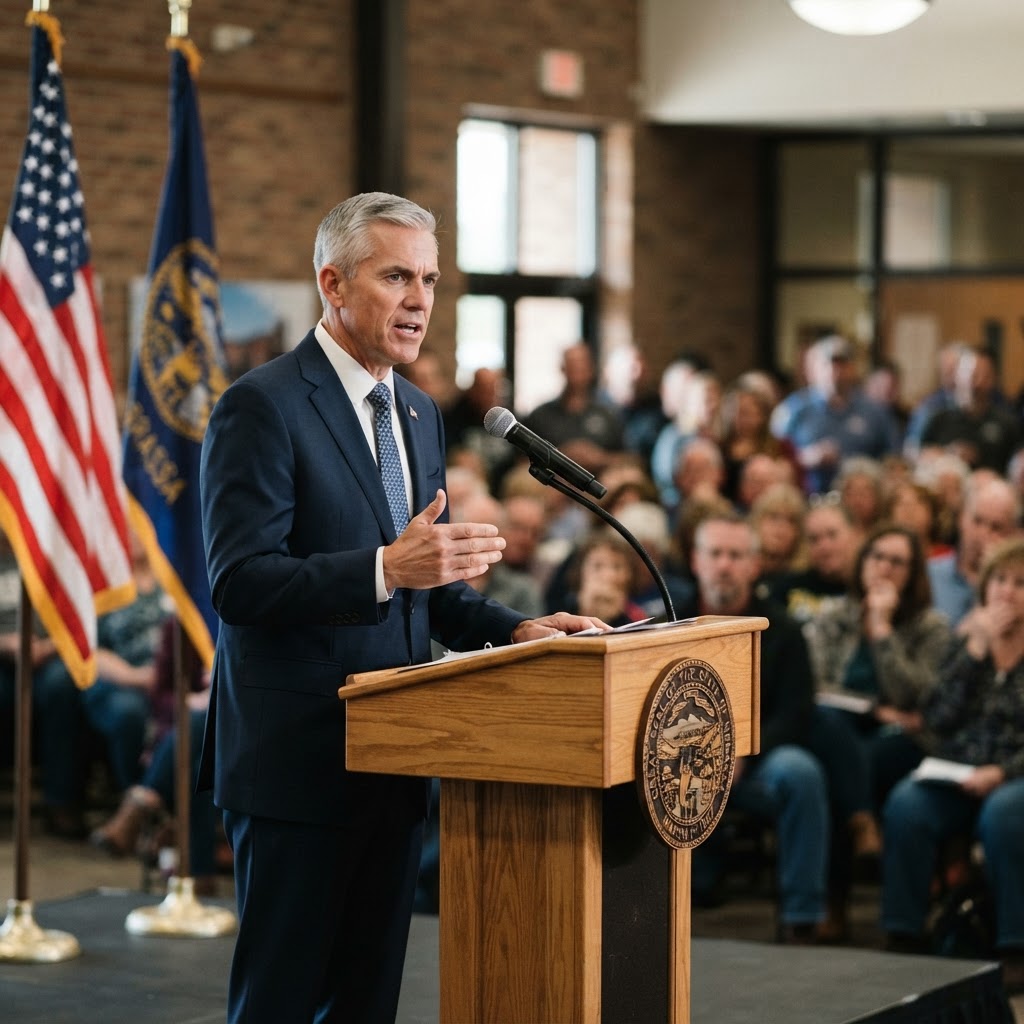
A Direct Line to Taxpayers
In a bold move to address the ongoing fiscal frustrations of his constituents, Nebraska Governor Jim Pillen has officially launched a property tax 'hotline.' This initiative is designed to serve as a direct channel for Nebraskans to voice their anger and concerns regarding rising property valuations and the subsequent tax bills that continue to strain household budgets across the state. The move comes as the administration prepares for a renewed push for comprehensive tax reform in the 2027 legislative session.
For many residents, the annual arrival of property tax assessments has become a source of significant anxiety. Despite various legislative efforts to increase transparency, many taxpayers feel that local governments—including cities, counties, and school districts—have failed to adjust their tax rates downward as property values have climbed. The Governor’s office has been vocal in its criticism, noting that local spending has not slowed, leaving residents to shoulder an increasingly heavy financial burden.
The Burden of Local Spending
Nebraska currently holds the unenviable position of having the 7th highest property tax burden in the nation. Governor Pillen has repeatedly emphasized that this system is unsustainable and threatens the state's long-term economic health. The core of the issue lies in the sheer number of taxing authorities—approximately 1,700 across the state—each with the power to levy taxes on property owners.
While the state legislature passed Legislative Bill 803 earlier this year to improve transparency, the Governor believes more aggressive action is required. By creating this hotline, the administration is effectively crowdsourcing evidence of taxpayer dissatisfaction to present to lawmakers. The goal is to demonstrate that the status quo is no longer acceptable to the people of Nebraska and that structural changes are necessary to protect the state's future. For more on how fiscal policies impact our communities, visit our Economy section.
Looking Toward 2027
Although major property tax reform efforts faced significant hurdles during the most recent legislative session, the Governor remains undeterred. Pillen has signaled that 2027 will be the year for sweeping changes. His vision includes shifting a greater portion of K-12 school funding from local property taxes to the state level, a move intended to provide immediate relief to homeowners while maintaining the quality of education in the state.
Critics of the current system argue that local governments have become too reliant on property taxes to fund their operations, often ignoring the impact on fixed-income seniors and working families. By engaging directly with the public, the Governor hopes to build a coalition of support that can overcome the political inertia that has stalled previous reform attempts. This effort is part of a broader America First agenda aimed at ensuring that Nebraska remains an affordable and attractive place for families to live and work.
The Path Forward
As the state looks toward the next legislative session, the data collected from the new hotline will likely play a crucial role in shaping the debate. The Governor’s office has made it clear that they are looking for specific examples of where local spending is out of touch with the realities faced by taxpayers.
For Nebraskans, this is an opportunity to be heard. The fight for tax relief is not just about balancing a budget; it is about ensuring that the government remains accountable to the people it serves. As the administration continues to tour the state and hold town halls, the message from the Governor’s office remains consistent: the current system is broken, and it is time for a change that prioritizes the taxpayer over the growth of government bureaucracy.
Comments (0)
Be the first to comment.
Related Stories
Economy
Nebraska Property Tax Reform Remains Top Priority for Voters
As Nebraska voters head toward the 2026 election, property tax relief remains a central issue. Legislative efforts continue to address the state's tax burden.
WorthFighting.org News · 6 min read
Economy
Jersey City Hits Residents With 15% Property Tax Hike
Jersey City officials have officially approved a 15.15% property tax increase, capping off a contentious budget battle amid a massive municipal financial
WorthFighting.org News · 6 min read
Economy
Florida Homeowners Remain Skeptical of Insurance Reforms
Despite state claims of a stabilizing insurance market, a new survey reveals that many Florida homeowners continue to struggle with high premiums and coverage
WorthFighting.org News · 6 min read
Economy
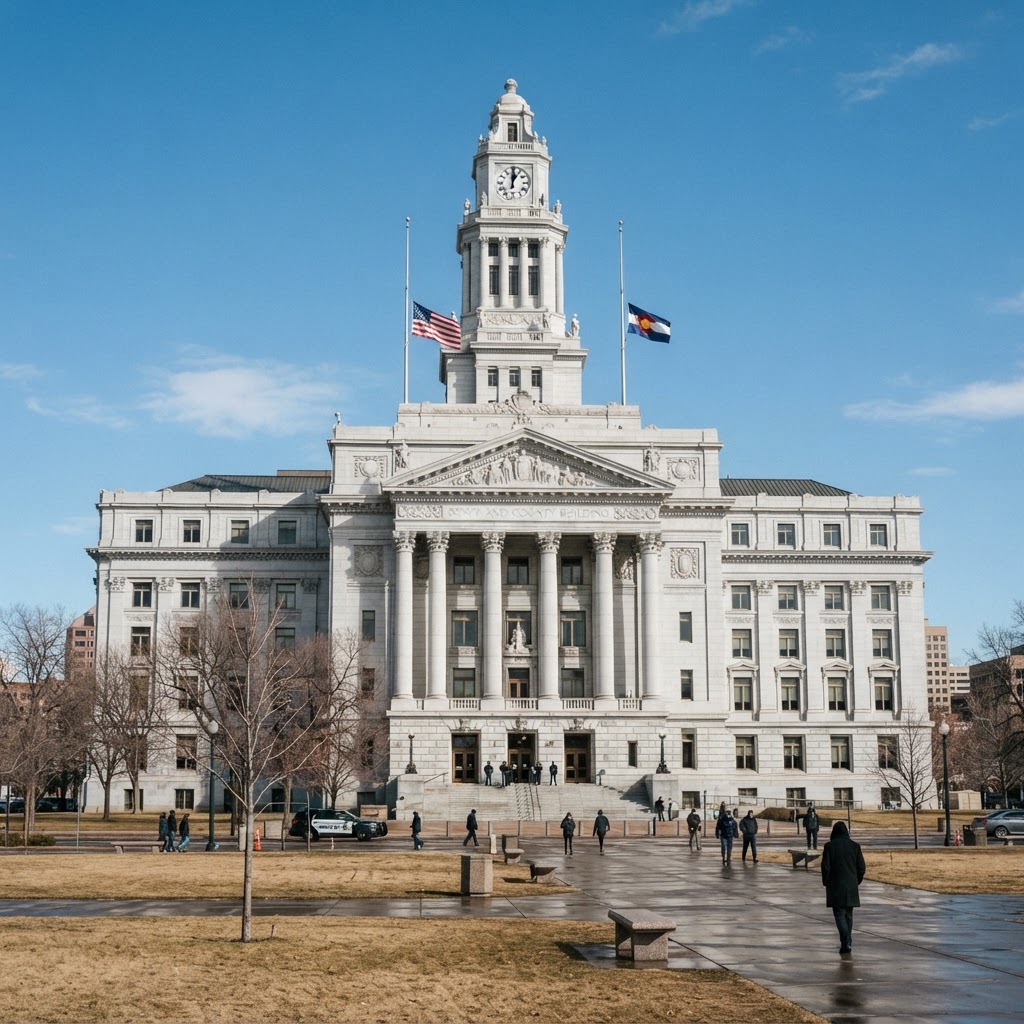
Denver Budget Standoff: Mayor Rejects Key Council Requests
Denver Mayor Mike Johnston has rejected major City Council budget requests, leaving critical public safety and infrastructure funding in a state of uncertainty.
WorthFighting.org News · 6 min read
Economy
Portland Budget Proposal Sparks Outrage Over Tax Hikes
Portland officials have unveiled a $363.9 million budget for 2027 that includes property tax increases and job cuts, leaving residents struggling with costs.
WorthFighting.org News · 6 min read
Economy
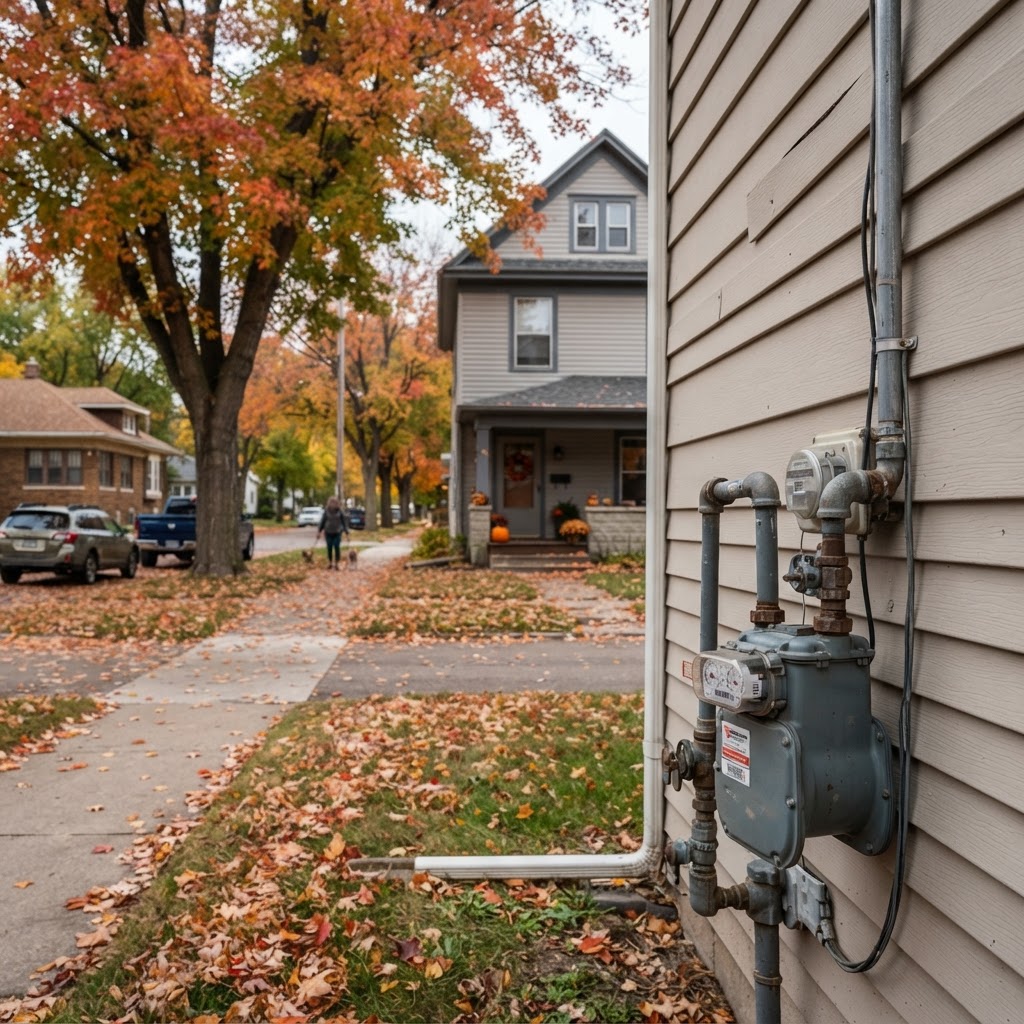
South Dakota Residents Push Back Against Energy Rate Hikes
South Dakota customers are organizing against a proposed 8.2% rate increase from MidAmerican Energy, citing concerns over rising costs for families and
WorthFighting.org News · 5 min read
What People Are Reading
Florida Homeowners Remain Skeptical of Insurance Reforms
Ohio School Districts Face Financial Crisis at the Ballot

Alabama Ramps Up School Security Under New State Mandates

Florida Insurance Market Stabilizes with New Rate Cuts
Chicago Aldermen Clash Over Mayor Johnson’s Budget Cuts
Take Action
This country is worth fighting for. Get involved today.