
DOJ Threatens Utah Over Election Integrity Laws
The DOJ threatened Utah Lt. Gov. Deidre Henderson with prosecution over voter rolls as the state refuses federal demands for private voter data.
WorthFighting.org News
Staff Writer
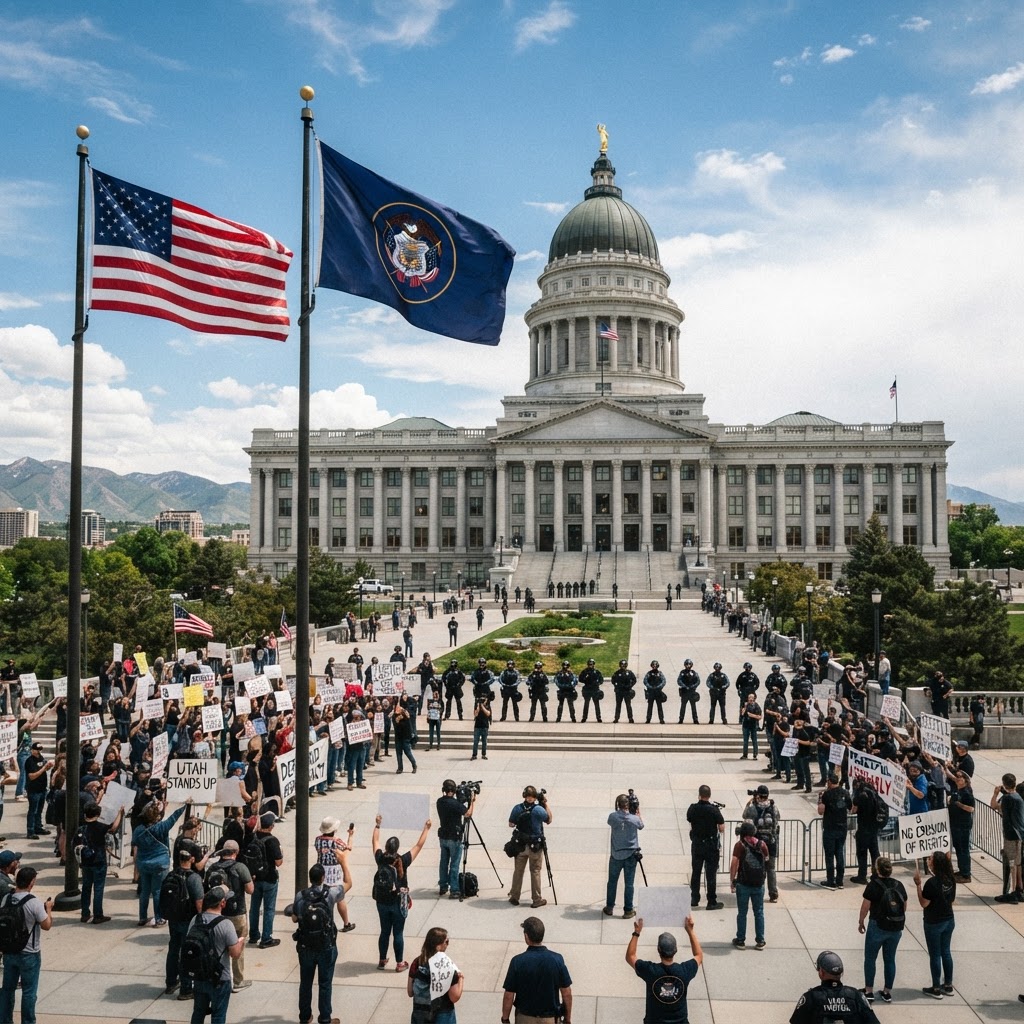
Federal Overreach Knocks on Utah’s Door
Utah’s top election official is standing her ground after receiving formal warnings from the federal government. Lieutenant Governor Deidre Henderson confirmed that she received a direct letter from the U.S. Department of Justice threatening potential criminal prosecution regarding how the Beehive State manages its voter registration lists.
The aggressive stance from Washington comes as state officials continue to safeguard the privacy of Utah residents, refusing to cave to federal demands for sensitive voter files. In a public response, Henderson characterized the sudden maneuver by the Biden-Harris administration as completely unwarranted, linking the aggressive posture to the state's ongoing legal fight to protect local records.
The confrontation highlights an escalating battle across the country over state sovereignty, administrative authority, and federal overreach into state-run voting systems. Readers tracking state-level resistance can explore more developments on our /category/elections desk.
Safeguarding Rolls and State Sovereignty
According to Henderson, the Justice Department's warning centered on state requirements for voter list maintenance and noncitizen voting prevention. The federal communication specifically pointed to potential criminal consequences for officials accused of keeping ineligible individuals on active registration rosters.
Yet, Utah’s election security record stands as an example of diligent, transparent oversight. Comprehensive reviews conducted by state election officials identified merely 27 noncitizens among the more than two million registered voters on the state's rolls. Crucially, state audits verified that none of those individuals had ever cast a ballot, and their registrations were promptly removed.
Despite Utah's verifiable diligence, federal prosecutors have pressured the state to turn over extensive voter data files. Lieutenant Governor Henderson firmly rejected those demands, pointing to clear state and federal privacy statutes that protect citizen information from unwarranted federal collection. Federal judges across several jurisdictions have similarly rebuffed federal attempts to compel states into handing over private citizen information.
States have a constitutional duty to administer their own elections, a principle that remains central to the conservative defense of federalism. Readers can see how state leaders are fighting for local control across our /category/america-first coverage.
Part of a Wider Pressure Campaign
Utah is far from alone in facing mounting federal scrutiny. State election authorities in neighboring Western states, including Arizona and Washington, reported receiving comparable warnings and inquiries from federal officials.
Critics view the timing and tone of these letters as an attempt by the executive branch to intimidate state officials who insist on maintaining rigorous local safeguards. By threatening state leaders with criminal action, federal agencies risk undermining public confidence in established state-run electoral machinery.
Utah leaders have demonstrated that common-sense reforms—such as routinely cleaning voter rolls, verifying legal status, and protecting voter privacy—can be executed without federal interference. As legal disputes continue in federal courts, state officials maintain that Utah will manage its elections in strict accordance with the law, without answering to intimidation tactics from Washington bureaucrats.
Why This Matters
The Constitution explicitly grants states the primary responsibility to set the time, place, and manner of elections. When federal agencies weaponize administrative demands against state officers, it disrupts the constitutional balance of power. Utah’s refusal to surrender private voter information demonstrates why local governance and constitutional vigilance remain worth defending.
Comments (0)
Be the first to comment.
Related Stories
Crime
Seattle Police Budget Hike Sparks Staffing Concerns
Seattle City Council members are clashing over Mayor Katie Wilson's proposed 13.9% police budget increase, questioning if it will truly boost officer numbers.
WorthFighting.org News · 6 min read
Economy
Nebraska Property Tax Reform Remains Top Priority for Voters
As Nebraska voters head toward the 2026 election, property tax relief remains a central issue. Legislative efforts continue to address the state's tax burden.
WorthFighting.org News · 6 min read

Economy
Florida Homeowners Remain Skeptical of Insurance Reforms
Despite state claims of a stabilizing insurance market, a new survey reveals that many Florida homeowners continue to struggle with high premiums and coverage
WorthFighting.org News · 6 min read
Crime
Rhode Island Sues Meta Over Rampant Scam Advertising
Attorney General Peter Neronha has filed a lawsuit against Meta, alleging the tech giant profits from billions of dollars in fraudulent ads on its platforms.
WorthFighting.org News · 6 min read
Economy
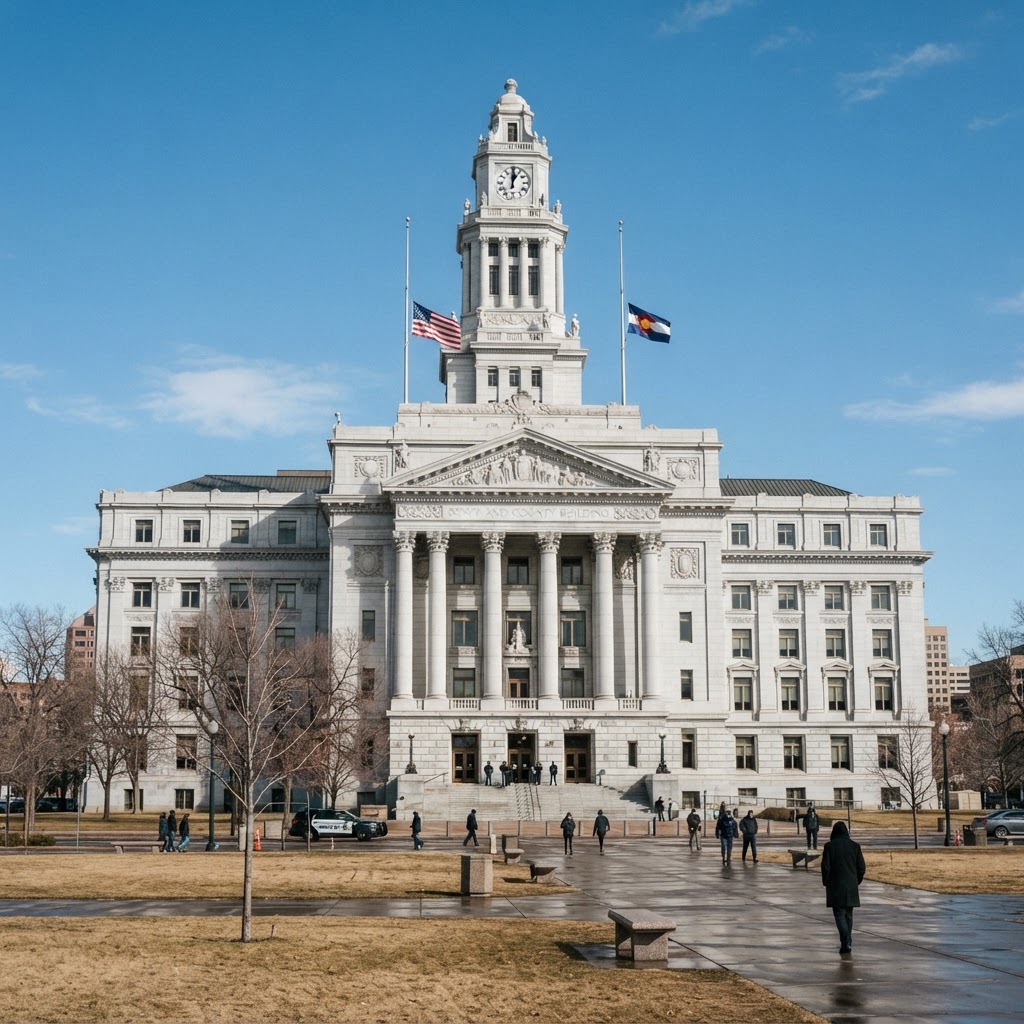
Denver Budget Standoff: Mayor Rejects Key Council Requests
Denver Mayor Mike Johnston has rejected major City Council budget requests, leaving critical public safety and infrastructure funding in a state of uncertainty.
WorthFighting.org News · 6 min read
Education
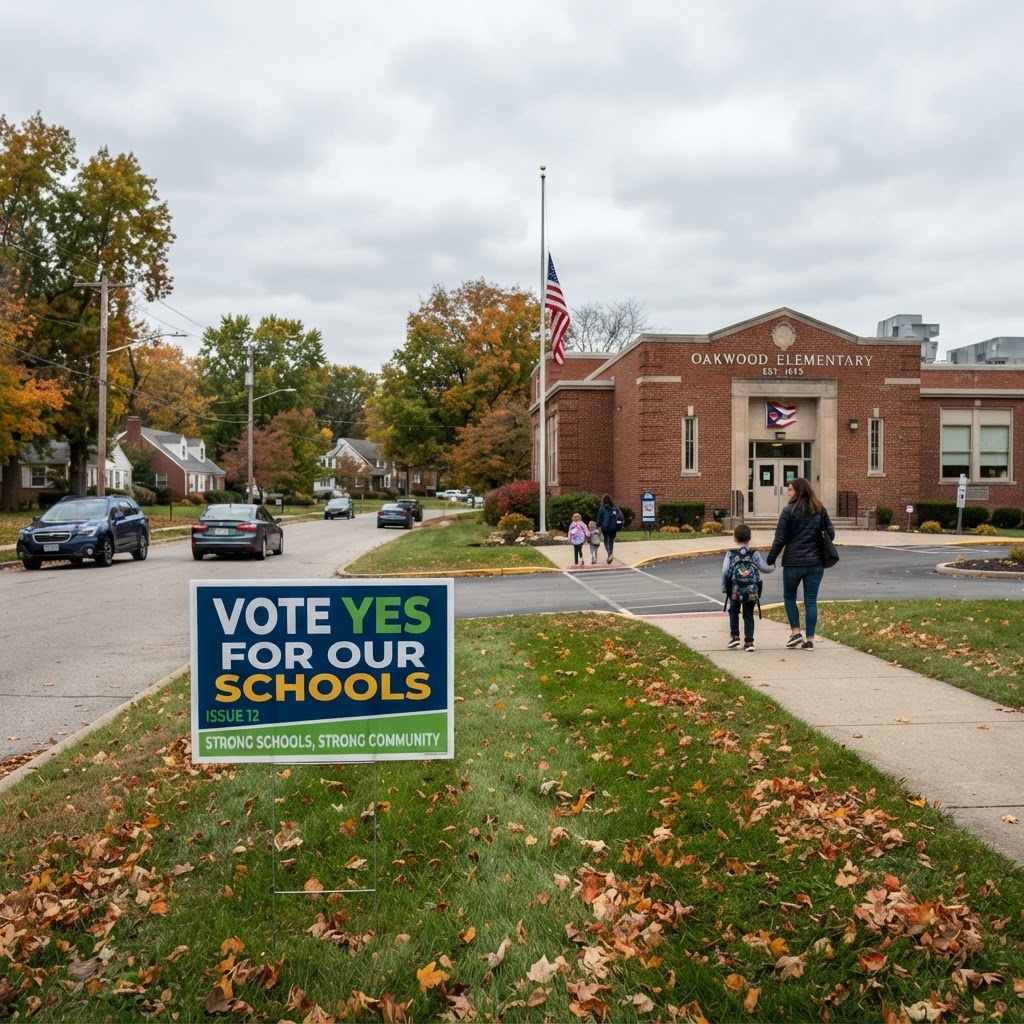
Ohio School Districts Face Financial Crisis at the Ballot
Across Ohio, multiple school districts are heading to the November ballot with critical tax levies, warning of severe budget cuts and potential consolidation.
WorthFighting.org News · 6 min read
What People Are Reading

DHS Border Encounter Statistics: June 2026 Report
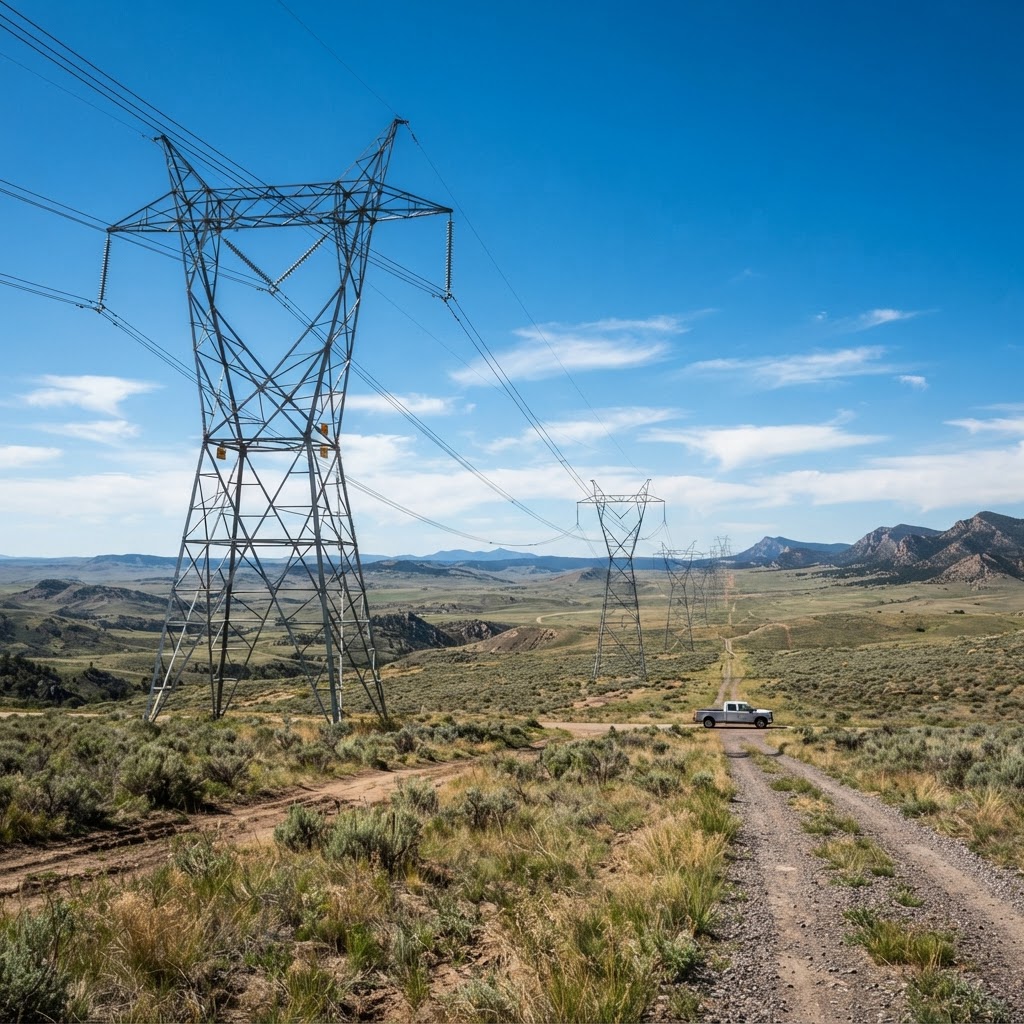
Wyoming Energy Authority Launches Power Grid Study
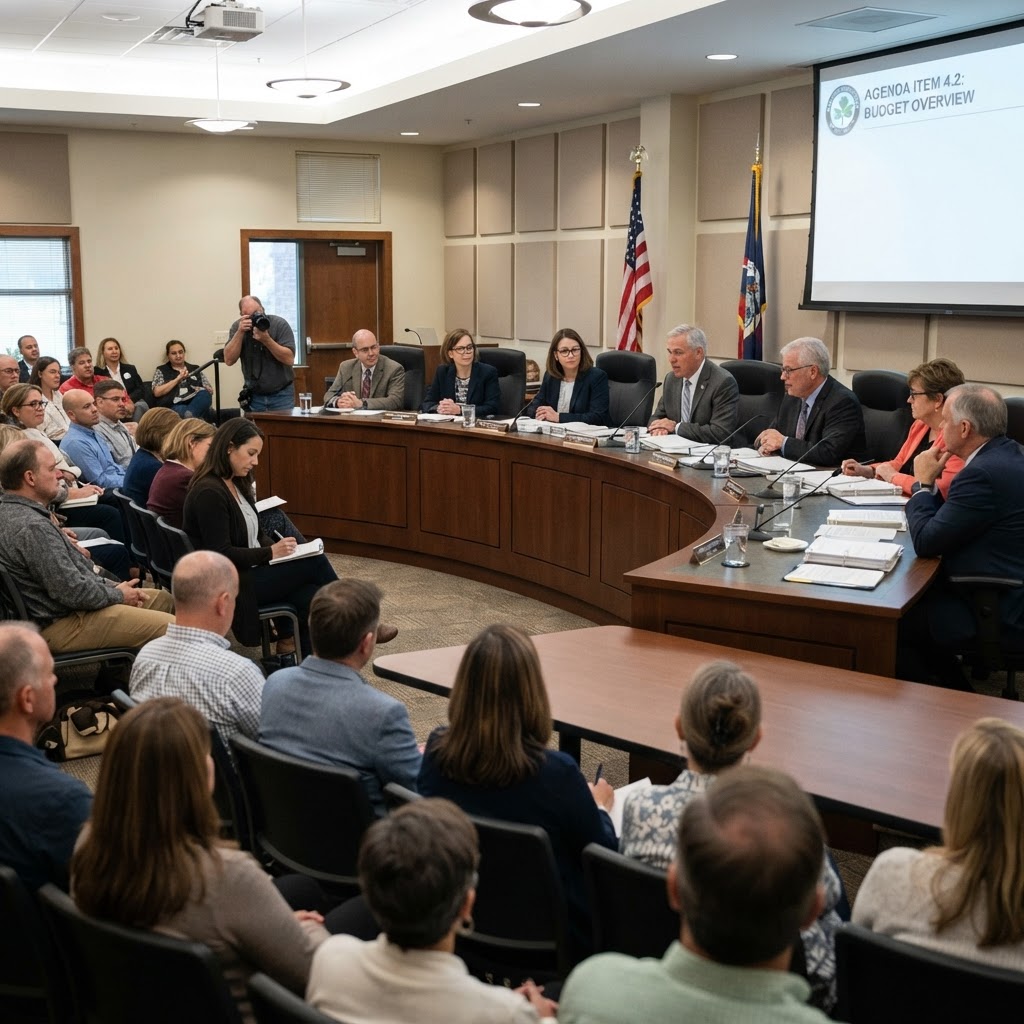
Iowa City School Board Approves $7.5M in Budget Cuts
Trump administration proposes stripping tax-exempt status from schools using race-based programs

California
Take Action
This country is worth fighting for. Get involved today.