
Dodge City Feels the Cost of Washington’s Border Failure
In Dodge City, Kansas, the consequences of mass immigration are not abstract—they show up in crowded classrooms, tight housing, and strained local services. A town built on hard work is being asked to absorb the costs of a broken national border policy.
Caleb Whitmore
Staff Writer

Dodge City, Kansas, a meatpacking hub of roughly 27,000 people, has long been a symbol of frontier grit and American industry. Today, it is also a case study in what happens when Washington refuses to secure the border while local communities are left to shoulder the consequences.
The issue in Dodge City is not whether honest work matters. It does. The issue is whether a small American town should be forced to absorb the social, fiscal, and cultural costs of mass immigration—legal and illegal—without meaningful federal support, clear enforcement, or any serious concern for the taxpayers and families already living there.
Driven by labor demand in the meatpacking industry, Dodge City has seen decades of demographic change. Many families have come legally, worked hard, and built stable lives. But residents, local observers, and conservative policy experts say the pace of migration, combined with weak federal enforcement and an open-border political culture, has placed undeniable pressure on schools, health care, housing, and law enforcement.
A Small Town Carrying a National Burden
Dodge City did not create the border crisis. Yet like many heartland communities, it is being told to live with the fallout.
Large meatpacking plants have for years relied on a labor model built around a constant supply of low-wage workers. That may benefit corporate balance sheets, but it often leaves local governments and taxpayers picking up the tab. When a town this size experiences rapid population turnover and language fragmentation, the strain is not theoretical—it is immediate.
"You cannot run a stable community on the assumption that local schools, local hospitals, and local police will simply absorb every cost created by federal inaction," said Daniel Mercer, a fictional Kansas-based immigration policy analyst at the Heartland Security Forum. "What’s marketed as economic necessity too often becomes taxpayer subsidy for an import-the-labor business model."
That frustration is increasingly common across western Kansas. Residents who support legal immigration and respect those who follow the rules still ask a fair question: why should an America First town bear the burden of policies written by elites who never have to live with the consequences?
Schools, Hospitals, and Housing Under Pressure
In a community like Dodge City, local services are finite. Budgets are limited. Teachers, nurses, police officers, and emergency workers do not have unlimited time or resources. When population growth outpaces planning—and when language barriers complicate nearly every interaction—the public systems that hold a town together begin to stretch.
Conservatives in the region point to several recurring pressures:
- Schools face rising demand for translation, English-language instruction, and additional classroom support.
- Health providers often confront heavier uncompensated care burdens and more demand for already limited appointments.
- Housing can tighten quickly, contributing to overcrowding, higher rents, and neighborhood stress.
- Law enforcement and courts must navigate interpreter costs, identity verification problems, and more complex case processing.
- Taxpayers are left funding the downstream effects while federal officials continue to dodge accountability.
None of this is anti-immigrant. It is pro-reality.
"The people of Dodge City are generous, but generosity is not the same thing as endless capacity," said Ruth Ann Keller, a fictional former Ford County budget advisor who now consults on rural governance. "When Washington fails to enforce the law, local government gets handed a bill it never approved."
That bill is not always obvious in one dramatic headline. More often, it appears in the daily wear and tear of civic life: longer waits, tighter budgets, more crowded facilities, and institutions forced to do more with less.
"Border security is not some distant issue for Texas or Arizona alone," Mercer said. "It reaches all the way to towns like Dodge City, where the effects show up in school budgets, emergency rooms, and the struggle to preserve social trust."
Cheap Labor, Expensive Consequences
The political class often frames communities like Dodge City as proof that America simply needs more foreign labor. But that argument leaves out two essential truths.
First, a nation has a right—indeed, a duty—to control its borders. Second, industries should not be allowed to privatize the profits of cheap labor while socializing the costs onto working families and local governments.
For decades, corporate America has pushed a simple formula: keep wages low, keep labor flowing, and let someone else worry about the civic consequences. In places like Dodge City, that "someone else" is the local taxpayer, the overworked teacher, the ER nurse, the sheriff’s deputy, and the family trying to buy a home in a tightening market.
This is where the border debate stops being abstract and becomes moral. A government that cannot—or will not—distinguish between lawful immigration and unlawful entry is not protecting its own citizens. And a government that treats rural Americans as collateral damage in service of labor demand is failing in its first obligation.
A fictional Dodge City-area pastor, Rev. Matthew Hale, put it bluntly: "We can welcome people, respect human dignity, and still insist on law, order, and national sovereignty. Compassion without boundaries is not compassion—it becomes chaos for the families already here."
What an America First Response Looks Like
If Washington were serious, the solution would not be complicated. Enforce the border. Mandate workplace verification. End incentives for illegal entry. Support legal immigration that serves the national interest, not corporate appetites. And stop pretending that every town has infinite capacity.
An America First approach would include:
- full operational control of the southern border,
- mandatory E-Verify and tougher penalties for employers who knowingly hire illegal labor,
- stricter asylum and visa-overstay enforcement,
- federal recognition that local service burdens are real, measurable, and unsustainable,
- an immigration system that prioritizes assimilation, public safety, and the well-being of American citizens.
Dodge City is still a proud town. It remains a place of work, faith, and family. But its experience should be a warning to the rest of the country. Border policy does not stay at the border. It travels through labor markets, school districts, hospital systems, and Main Streets across America.
The people of Dodge City deserve better than lectures from Washington and cheaper-labor talking points from corporate boardrooms. They deserve a country that defends its sovereignty, respects the rule of law, and puts American communities first.
That is not radical. It is responsible. It is constitutional. And in towns like Dodge City, it is long overdue.
Comments (0)
Be the first to comment.
Related Stories

Border Security
Cochise County Deputies Arrest Protesters at Border Wall Site
Cochise County law enforcement arrested three individuals protesting the construction of the new federal border wall, citing safety and security concerns.
WorthFighting.org News · 6 min read

Crime
Seattle Police Budget Hike Sparks Staffing Concerns
Seattle City Council members are clashing over Mayor Katie Wilson's proposed 13.9% police budget increase, questioning if it will truly boost officer numbers.
WorthFighting.org News · 6 min read
Economy
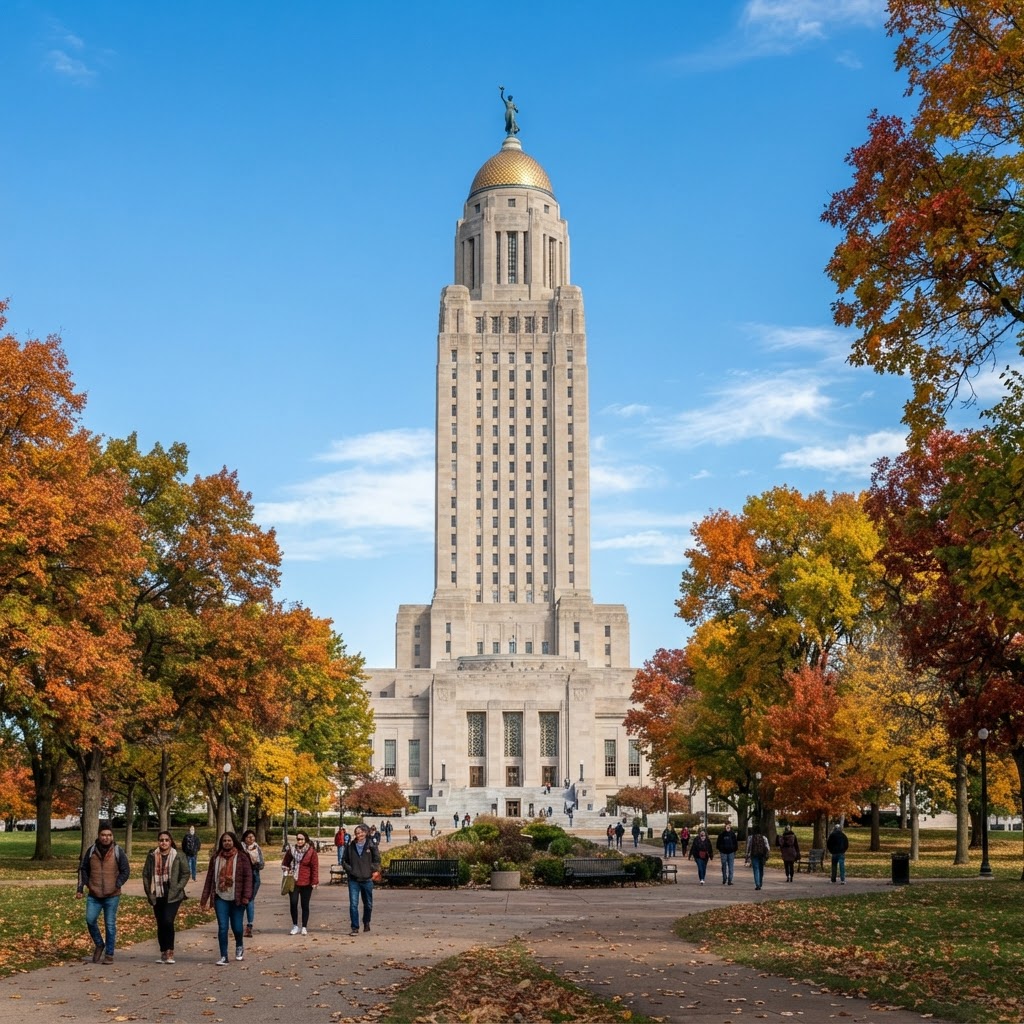
Nebraska Property Tax Reform Remains Top Priority for Voters
As Nebraska voters head toward the 2026 election, property tax relief remains a central issue. Legislative efforts continue to address the state's tax burden.
WorthFighting.org News · 6 min read

Economy
Florida Homeowners Remain Skeptical of Insurance Reforms
Despite state claims of a stabilizing insurance market, a new survey reveals that many Florida homeowners continue to struggle with high premiums and coverage
WorthFighting.org News · 6 min read
Crime
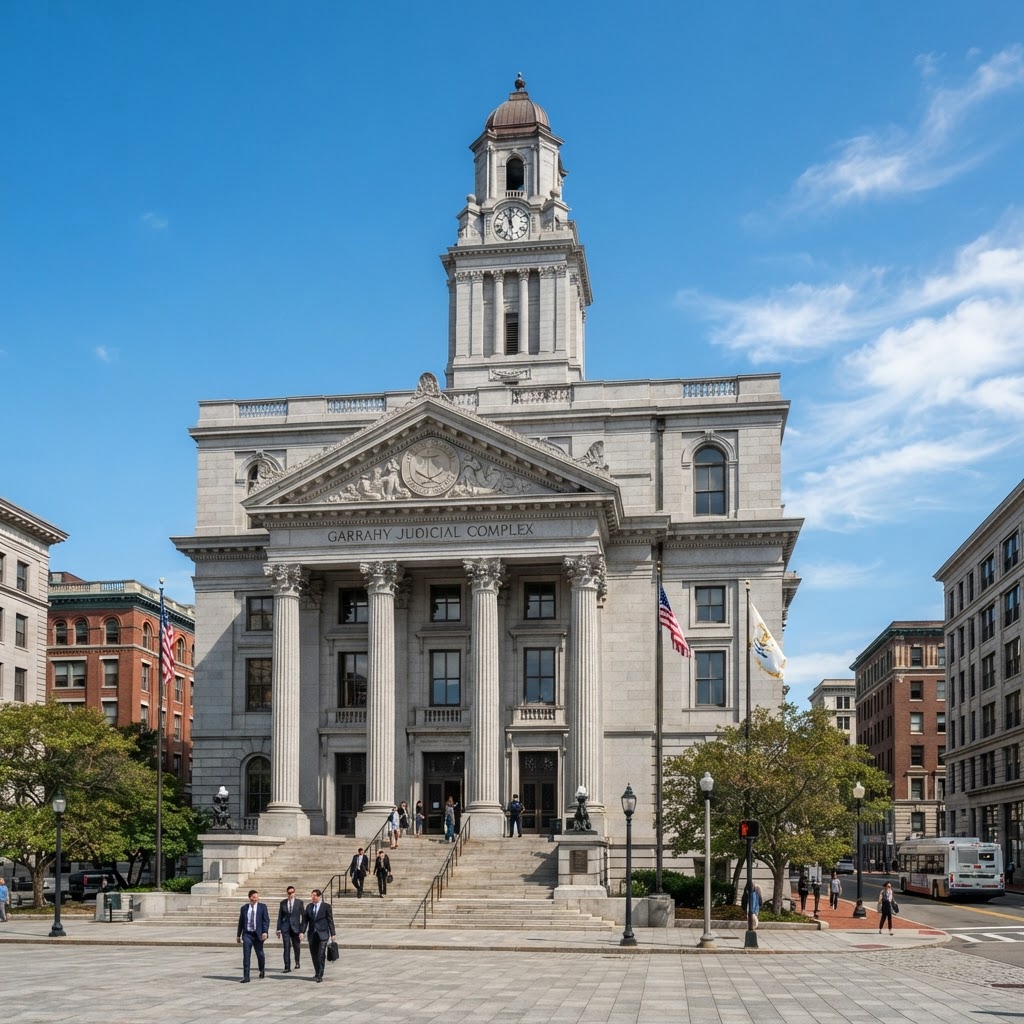
Rhode Island Sues Meta Over Rampant Scam Advertising
Attorney General Peter Neronha has filed a lawsuit against Meta, alleging the tech giant profits from billions of dollars in fraudulent ads on its platforms.
WorthFighting.org News · 6 min read
Economy
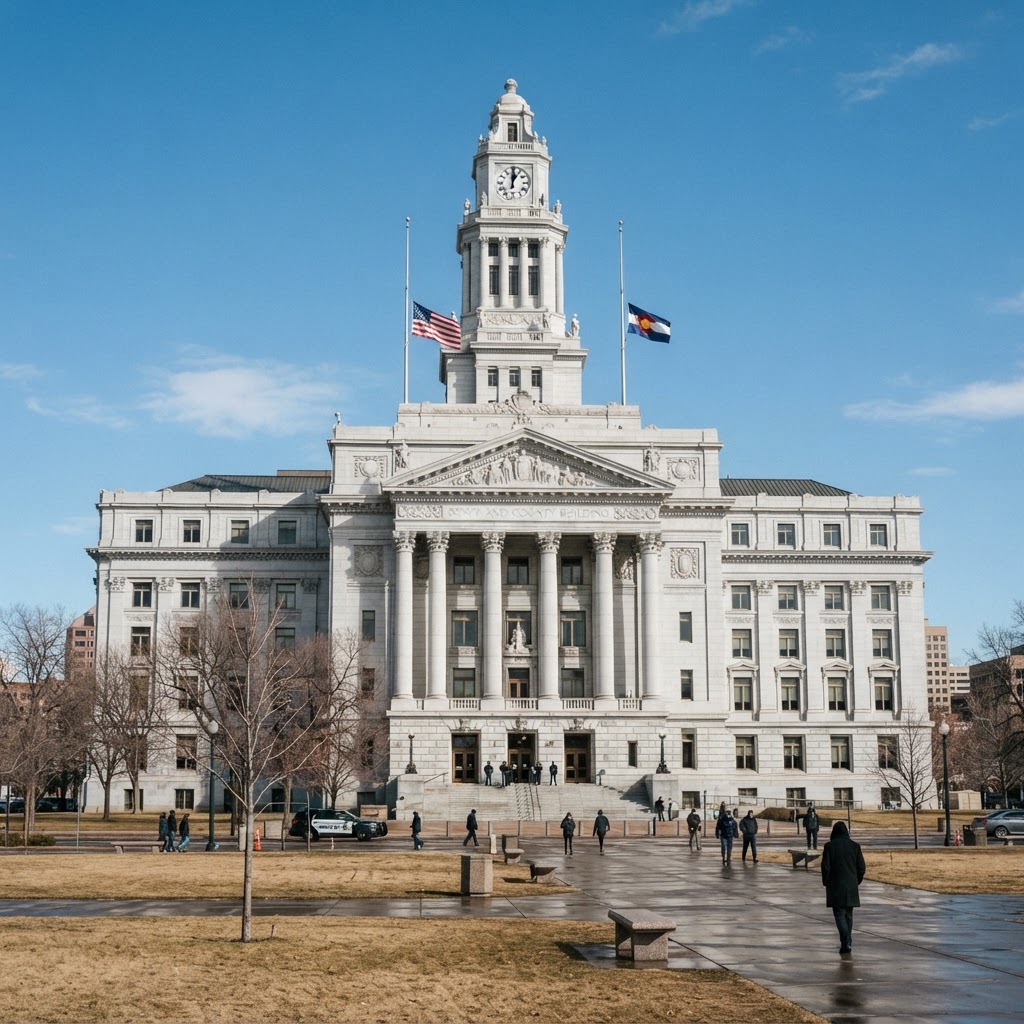
Denver Budget Standoff: Mayor Rejects Key Council Requests
Denver Mayor Mike Johnston has rejected major City Council budget requests, leaving critical public safety and infrastructure funding in a state of uncertainty.
WorthFighting.org News · 6 min read
Related Resources
Related Articles
8 itemsSame category: Border Security
Same category: Border Security
Same category: Border Security
Related Issue Hubs
1 itemRelated States
2 itemsShared keywords: kansas
Shared keywords: washington
What People Are Reading
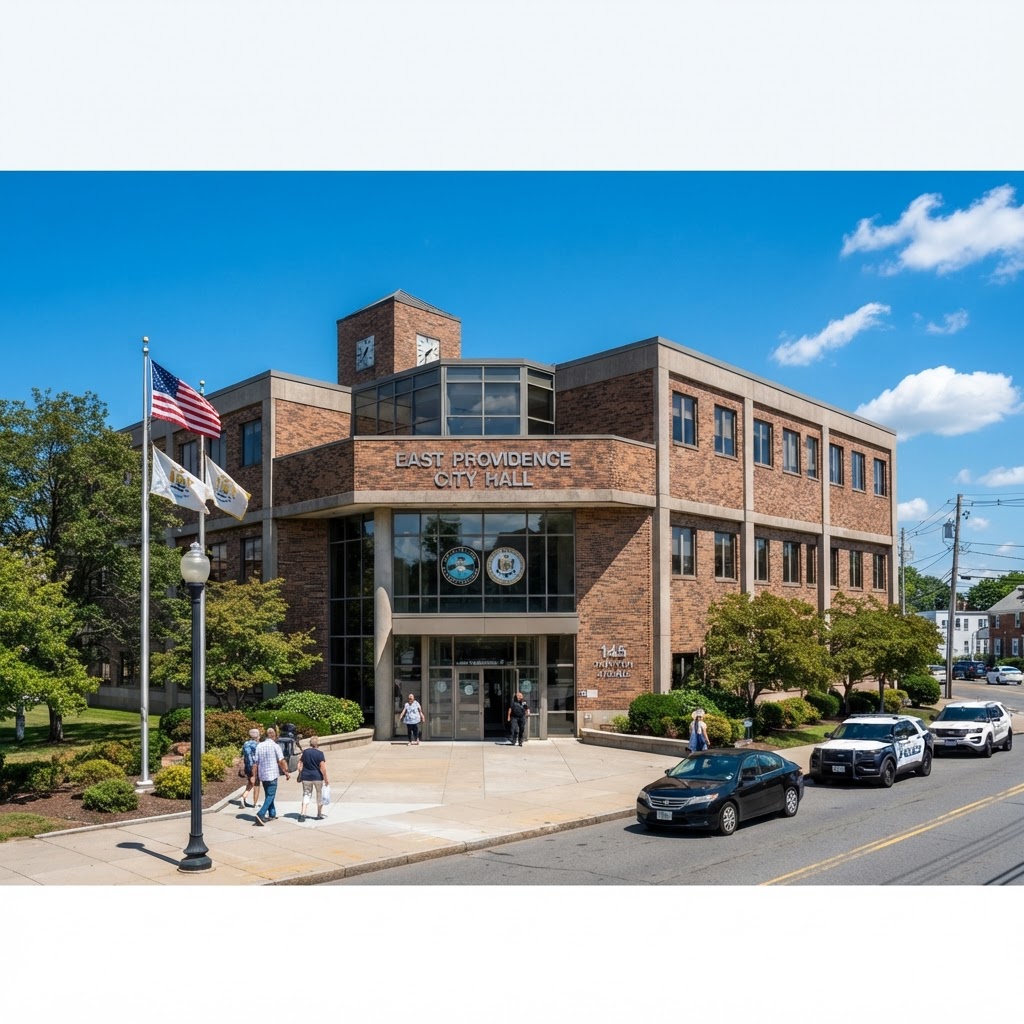
East Providence Taxpayers Hit With 3.5% Property Tax Hike
Florida Homeowners Remain Skeptical of Insurance Reforms
Chicago Aldermen Clash Over Mayor Johnson’s Budget Cuts
Alabama Supreme Court Weighs Absentee Ballot Law

Wyoming Energy Authority Launches Power Grid Study
Take Action
This country is worth fighting for. Get involved today.