
Clarksdale’s Long Decline Is a Warning: The Mississippi Delta Cannot Afford More Democratic Failure
Clarksdale, Mississippi, is rich in history but trapped in a cycle of poverty that decades of Democratic machine politics have failed to break. If America First means anything, it means telling the truth about what has gone wrong in towns like this — and demanding a better path.
Caleb Mercer
Senior Opinion Correspondent

Clarksdale, Mississippi, a Delta city of roughly 14,000 people, sits on some of the richest farmland in America and at the crossroads of one of our most treasured musical traditions. Yet beyond the tourist brochures and blues nostalgia, too many families live with boarded-up storefronts, stagnant wages, struggling schools, and the heavy weight of generational poverty. That is not simply bad luck or an unavoidable rural trend. It is the predictable result of decades of failed Democratic leadership, dependency politics, and a governing culture that too often manages decline instead of confronting it.
Conservatives should say this plainly: the people of Clarksdale are not the problem. The problem is a political model that has promised rescue from government for half a century and delivered little beyond bureaucracy, patronage, and excuses. In too much of the Mississippi Delta, one-party local power has produced the same result one-party rule produces everywhere — low accountability, weak institutions, and a permanent class of insiders who survive while ordinary citizens fall further behind.
A Town Rich in History, Poor in Opportunity
Clarksdale should have every advantage for a comeback. It has an iconic cultural identity, agricultural wealth surrounding it, and a strategic location that could support logistics, small manufacturing, tourism, and local entrepreneurship. But instead of building a climate where families can stay, invest, and prosper, local politics in the Delta have often revolved around grants, public jobs, and short-term federal programs that never seem to produce lasting private-sector growth.
James Caldwell, a senior fellow at the fictional Magnolia Policy Forum, put it bluntly: 'Clarksdale has spent years being told that another subsidy, another task force, or another pilot program will turn things around. But communities do not revive when government becomes the largest customer, the largest employer, and the loudest voice in the room. They revive when citizens are free to build.'
That diagnosis fits the Delta. For generations, Washington and state bureaucracies have poured money into anti-poverty efforts, education initiatives, housing plans, and redevelopment schemes. And yet the same basic problems remain: too few good jobs, too little business formation, too much family instability, and too many young people leaving for places where work and order still mean something.
No honest observer can look at that record and call it success.
The Cost of One-Party Rule
In much of the Delta, Democrats have benefited from an old political formula: keep voters fearful, keep expectations low, and keep power concentrated. The rhetoric changes, but the machine stays the same. The result is a local culture where taxpayers are expected to fund failure indefinitely while reform is treated as cruelty.
That failure shows up in everyday life. Families do not experience politics through slogans; they experience it through whether the streets are safe, whether schools teach basic knowledge and discipline, whether permits are manageable, and whether city services work. When those basics break down, no amount of ideological spin can cover it up.
What Clarksdale needs is not complicated:
- safer neighborhoods backed by confident law enforcement
- schools focused on literacy, discipline, and workforce preparation
- a business climate that rewards risk-taking instead of smothering it in delays and red tape
- strong families, churches, and civic institutions that can do what government never can
- leaders who measure success by private investment and rising employment, not press releases about grants
Erica Whitfield, a fictional Delta-based economic consultant who advises small towns across the South, said many local leaders still think in terms of program management instead of growth. 'Too many officials celebrate the arrival of outside money without asking why local wealth is not being created,' she said. 'If your best young workers have to leave town to find opportunity, your policy model has failed, no matter how many ribbon-cuttings you stage.'
That criticism may sound harsh, but it is overdue. Clarksdale does not suffer from a lack of compassion. It suffers from a lack of results. A town cannot welfare-check its way into prosperity. It cannot regulate its way into growth. And it cannot lecture fathers, churchgoers, small-business owners, and police officers while expecting social order to maintain itself.
Clarksdale does not need another carefully branded anti-poverty campaign. It needs truth, accountability, and a local revival rooted in work, family, faith, and law and order.
Rev. Thomas Greer, a fictional pastor and former civic advisory member in Coahoma County, framed the problem in moral terms: 'When government replaces responsibility, communities weaken from the inside out. You can hand out assistance for a season, but you cannot subsidize character, discipline, or hope. Those are built in homes, churches, and neighborhoods that believe the future belongs to people who work for it.'
What an America First Renewal Would Look Like
An America First response to Clarksdale’s decline begins with a simple proposition: American towns should come before fashionable causes, foreign giveaways, and elite political theater. If Congress can find billions for overseas commitments and endless bureaucratic experiments, it can at least create the conditions for forgotten American communities to compete and thrive.
But renewal will not come from Washington alone, and it certainly will not come from copying the same failed Democratic script. A serious recovery agenda for Clarksdale would include support for school choice, vocational education tied to real employers, tougher enforcement against violent crime, lower barriers for small businesses, and public policies that strengthen marriage, child stability, and local ownership. It would also mean a cultural shift away from dependency and toward dignity.
Border security matters here too, even hundreds of miles from the Rio Grande. When a nation refuses to control who enters, taxpayers and workers in struggling communities end up carrying the cost. America First means protecting wages, protecting public resources, and remembering that charity begins at home.
Clarksdale also needs leaders who stop treating economic growth as something that happens only when a grant writer gets lucky. The Delta can benefit from agriculture, freight, energy development, heritage tourism, local food processing, and skilled trades. But none of that will flourish without stable governance and the confidence that law-abiding citizens, not political favorites, come first.
The tragedy of Clarksdale is not that it lacks promise. The tragedy is that its promise has been buried under years of bad assumptions and worse leadership. Rural poverty in the Mississippi Delta is real, but it is not untouchable. It can be reduced when leaders stop defending failure, when institutions reward responsibility, and when public policy remembers that freedom and order — not dependency — are the foundations of lasting prosperity.
For conservatives, the lesson is clear. If we want to save the country, we must care about places like Clarksdale as they actually are, not as political consultants describe them. These towns are worth fighting for. And the first step in fighting for them is ending the failed Democratic status quo that helped trap them in decline.
Comments (0)
Be the first to comment.
Related Stories

Crime
Seattle Police Budget Hike Sparks Staffing Concerns
Seattle City Council members are clashing over Mayor Katie Wilson's proposed 13.9% police budget increase, questioning if it will truly boost officer numbers.
WorthFighting.org News · 6 min read
Economy
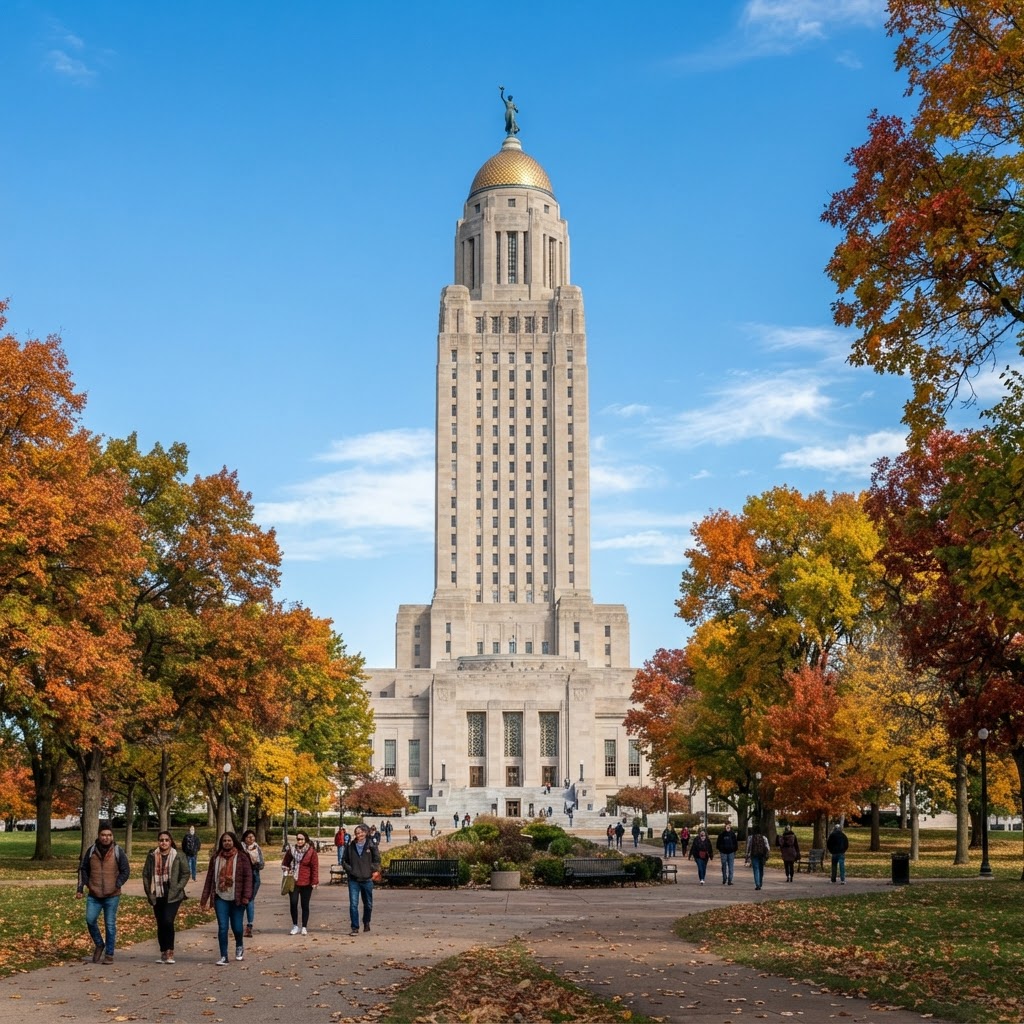
Nebraska Property Tax Reform Remains Top Priority for Voters
As Nebraska voters head toward the 2026 election, property tax relief remains a central issue. Legislative efforts continue to address the state's tax burden.
WorthFighting.org News · 6 min read

Economy
Florida Homeowners Remain Skeptical of Insurance Reforms
Despite state claims of a stabilizing insurance market, a new survey reveals that many Florida homeowners continue to struggle with high premiums and coverage
WorthFighting.org News · 6 min read
Crime
Rhode Island Sues Meta Over Rampant Scam Advertising
Attorney General Peter Neronha has filed a lawsuit against Meta, alleging the tech giant profits from billions of dollars in fraudulent ads on its platforms.
WorthFighting.org News · 6 min read
Economy
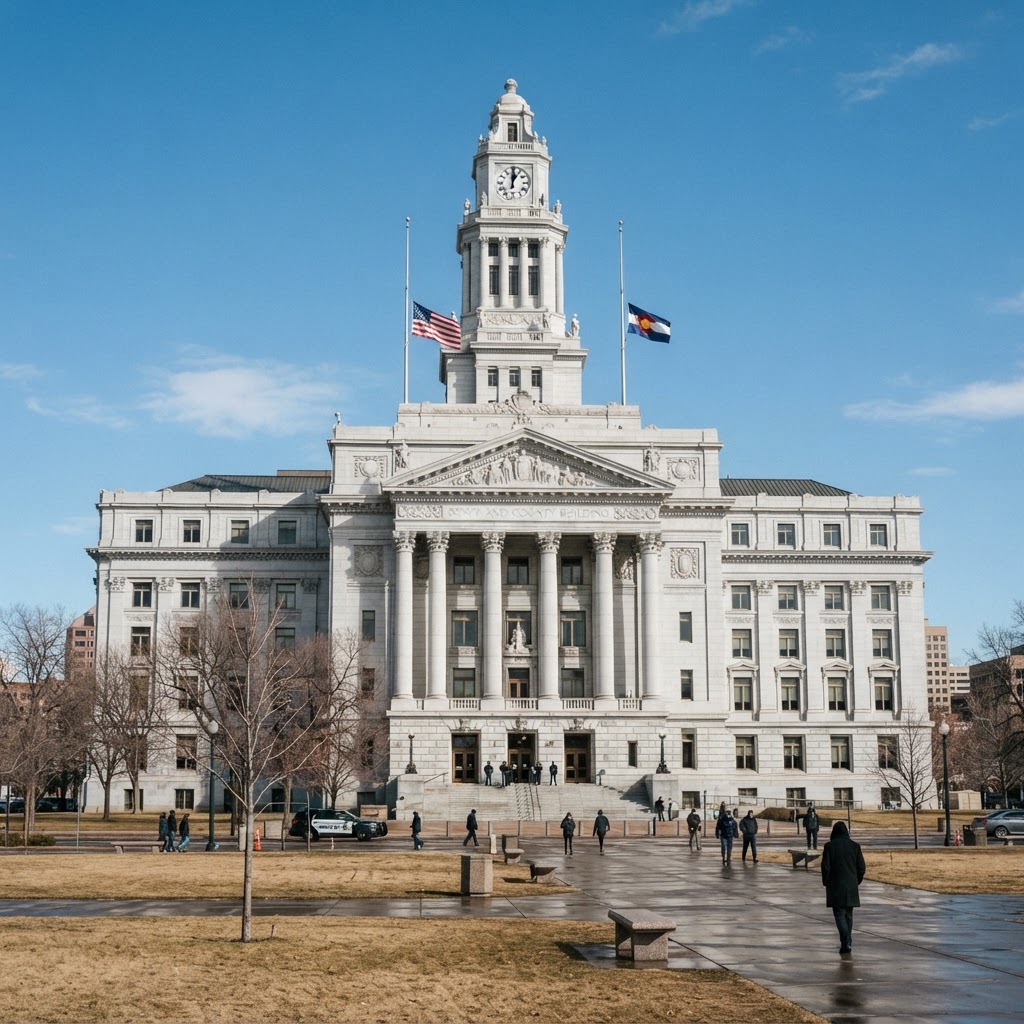
Denver Budget Standoff: Mayor Rejects Key Council Requests
Denver Mayor Mike Johnston has rejected major City Council budget requests, leaving critical public safety and infrastructure funding in a state of uncertainty.
WorthFighting.org News · 6 min read
Education
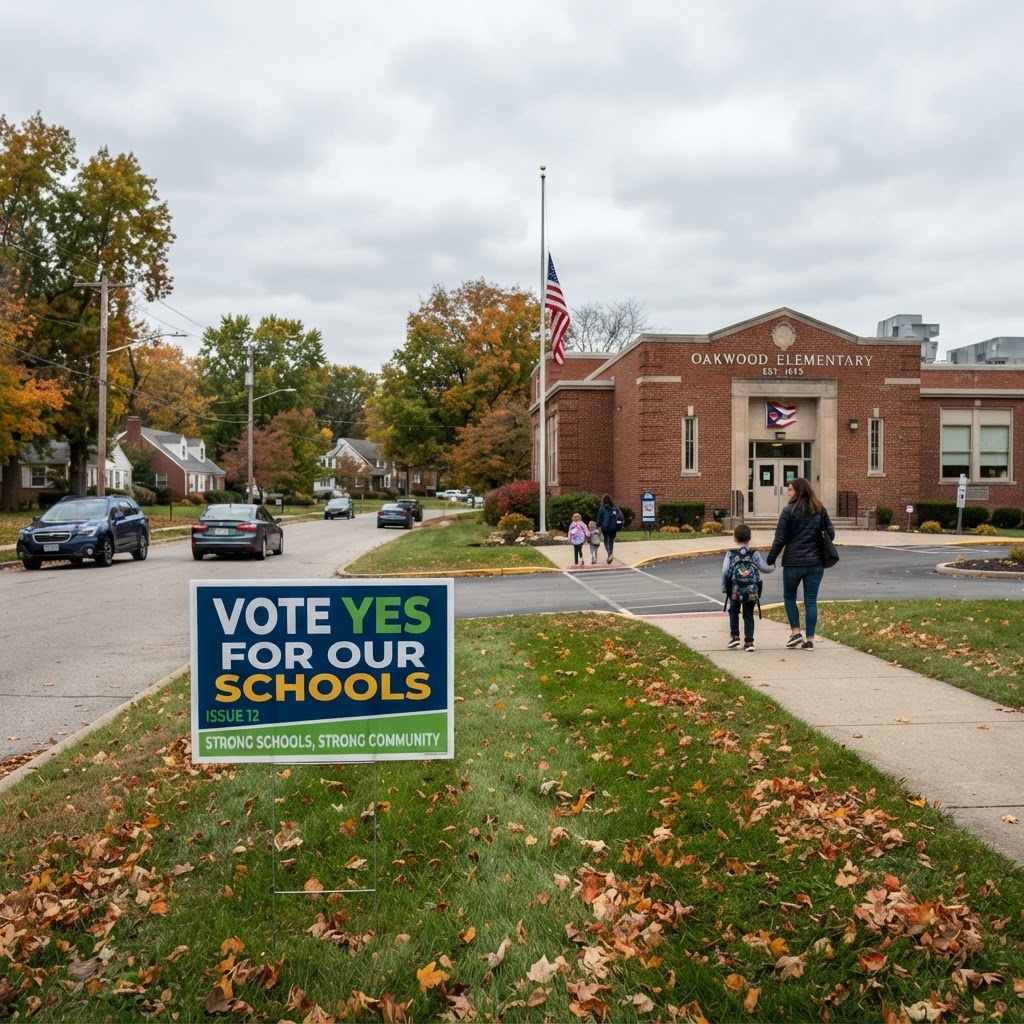
Ohio School Districts Face Financial Crisis at the Ballot
Across Ohio, multiple school districts are heading to the November ballot with critical tax levies, warning of severe budget cuts and potential consolidation.
WorthFighting.org News · 6 min read
Related Resources
Related Articles
9 itemsSame category: Opinion
Same category: Opinion
Same category: Opinion
Related Breaking News
2 itemsRelated States
1 itemShared keywords: mississippi
What People Are Reading

DHS Border Encounter Statistics: June 2026 Report
Wyoming Energy Authority Launches Power Grid Study
Iowa City School Board Approves $7.5M in Budget Cuts
Trump administration proposes stripping tax-exempt status from schools using race-based programs

California
Take Action
This country is worth fighting for. Get involved today.