
Arizona Candidates Sue Over Clean Elections Commission Probe
Two third-party candidates are challenging the Arizona Citizens Clean Elections Commission's authority to claw back public campaign funds amid an investigation.
WorthFighting.org News
Staff Writer
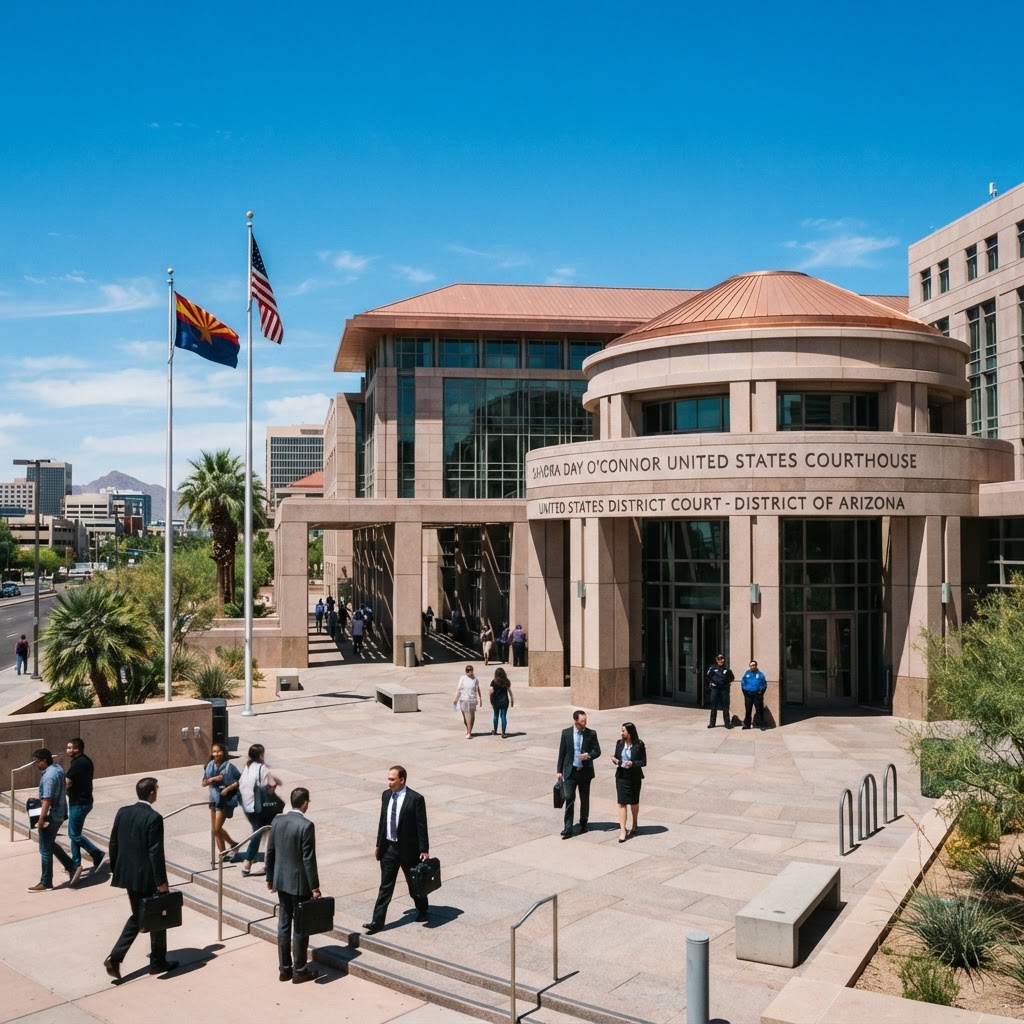
Legal Battle Erupts Over Campaign Funding
A significant legal challenge has emerged in Arizona as two third-party candidates have taken the Arizona Citizens Clean Elections Commission to court. The lawsuit, filed by Green Party candidates Risa Lombardo and Duwayne Collier, seeks to block the commission from exercising what the candidates describe as overreaching authority in an ongoing investigation into their campaign finances.
At the heart of the dispute is the commission’s power to potentially claw back millions of dollars in public funding that was previously awarded to the candidates. The Arizona Citizens Clean Elections Commission is tasked with administering a public funding program designed to reduce the influence of large private donors and political action committees (PACs). Under the program, candidates who agree to abide by strict spending and contribution limits are eligible for public money, provided they can demonstrate sufficient grassroots support by collecting a specific number of $5 qualifying contributions from Arizona voters.
Challenging Commission Authority
Earlier this year, the candidates successfully navigated the qualification process, with state and county election officials confirming that both Lombardo and Collier had met the necessary requirements to receive public funds. However, the commission subsequently launched an investigation into the candidates, leading to the current standoff.
In their legal filing, the candidates argue that the commission lacks the statutory authority to decertify candidates or demand the return of funds after the certification process has concluded. They contend that once the Secretary of State and county election officials have verified their eligibility, the commission should not have the power to unilaterally reverse that decision or impose financial penalties that could effectively bankrupt their campaigns.
This case brings to the forefront the broader debate regarding the role of unelected commissions in the electoral process. For many, the question is whether these bodies are acting as neutral arbiters of campaign finance law or if they are overstepping their bounds to influence the political landscape. You can read more about the importance of transparent and fair processes in our Elections section.
Implications for Future Elections
The outcome of this lawsuit could have lasting implications for how public funding is managed in Arizona. If the court rules in favor of the commission, it would solidify the agency's power to conduct post-certification investigations and demand the repayment of funds, potentially creating a chilling effect for future third-party or independent candidates who rely on public financing. Conversely, a ruling for the candidates could limit the commission's oversight capabilities, forcing a reevaluation of how these programs are administered.
As the 2026 election cycle progresses, the scrutiny on election-related agencies remains high. Voters and political observers alike are watching closely to see how the judiciary interprets the commission's mandate. Ensuring that election oversight remains within the bounds of the law is a cornerstone of maintaining public trust in our democratic institutions. For more updates on how these issues affect the state, visit our Arizona page.
Why This Matters
This legal battle is a stark reminder of the complexities involved in government-funded political campaigns. When state agencies have the power to retroactively challenge the eligibility of candidates, it creates uncertainty that can disrupt the democratic process and impact the ability of voters to choose from a diverse field of candidates. The resolution of this case will set a critical precedent for the balance of power between election commissions and the candidates they oversee.
Comments (0)
Be the first to comment.
Related Stories

Crime
Seattle Police Budget Hike Sparks Staffing Concerns
Seattle City Council members are clashing over Mayor Katie Wilson's proposed 13.9% police budget increase, questioning if it will truly boost officer numbers.
WorthFighting.org News · 6 min read
Economy
Nebraska Property Tax Reform Remains Top Priority for Voters
As Nebraska voters head toward the 2026 election, property tax relief remains a central issue. Legislative efforts continue to address the state's tax burden.
WorthFighting.org News · 6 min read

Economy
Florida Homeowners Remain Skeptical of Insurance Reforms
Despite state claims of a stabilizing insurance market, a new survey reveals that many Florida homeowners continue to struggle with high premiums and coverage
WorthFighting.org News · 6 min read
Crime
Rhode Island Sues Meta Over Rampant Scam Advertising
Attorney General Peter Neronha has filed a lawsuit against Meta, alleging the tech giant profits from billions of dollars in fraudulent ads on its platforms.
WorthFighting.org News · 6 min read
Economy
Denver Budget Standoff: Mayor Rejects Key Council Requests
Denver Mayor Mike Johnston has rejected major City Council budget requests, leaving critical public safety and infrastructure funding in a state of uncertainty.
WorthFighting.org News · 6 min read
Education
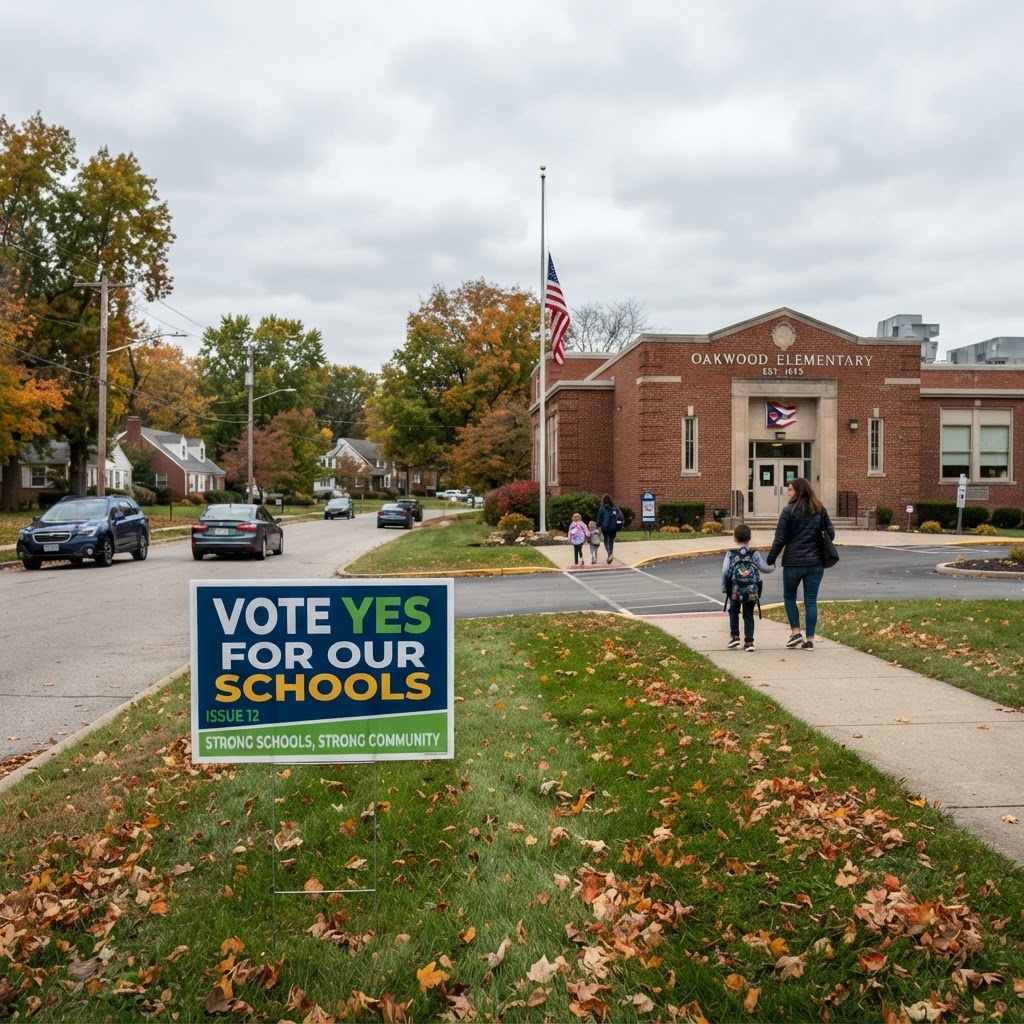
Ohio School Districts Face Financial Crisis at the Ballot
Across Ohio, multiple school districts are heading to the November ballot with critical tax levies, warning of severe budget cuts and potential consolidation.
WorthFighting.org News · 6 min read
What People Are Reading
Florida Homeowners Remain Skeptical of Insurance Reforms
Ohio School Districts Face Financial Crisis at the Ballot
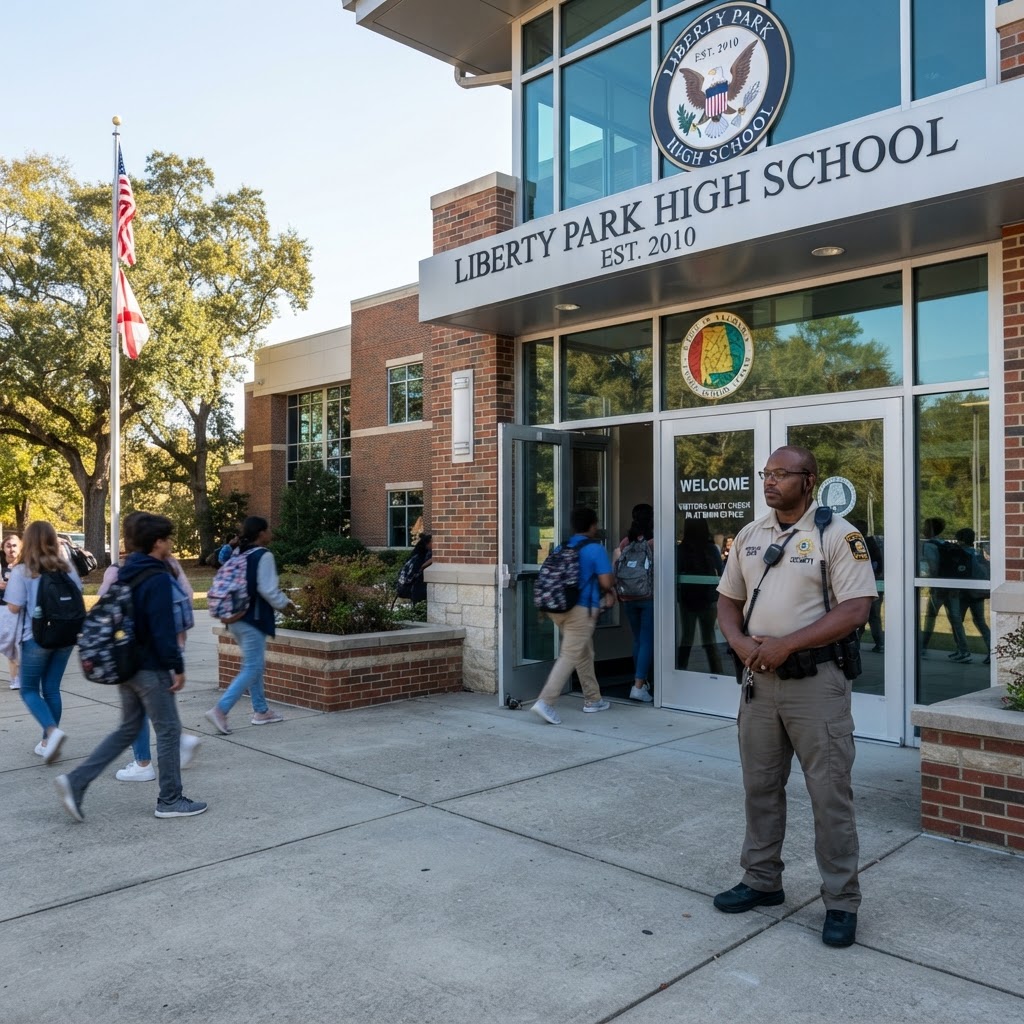
Alabama Ramps Up School Security Under New State Mandates

Florida Insurance Market Stabilizes with New Rate Cuts
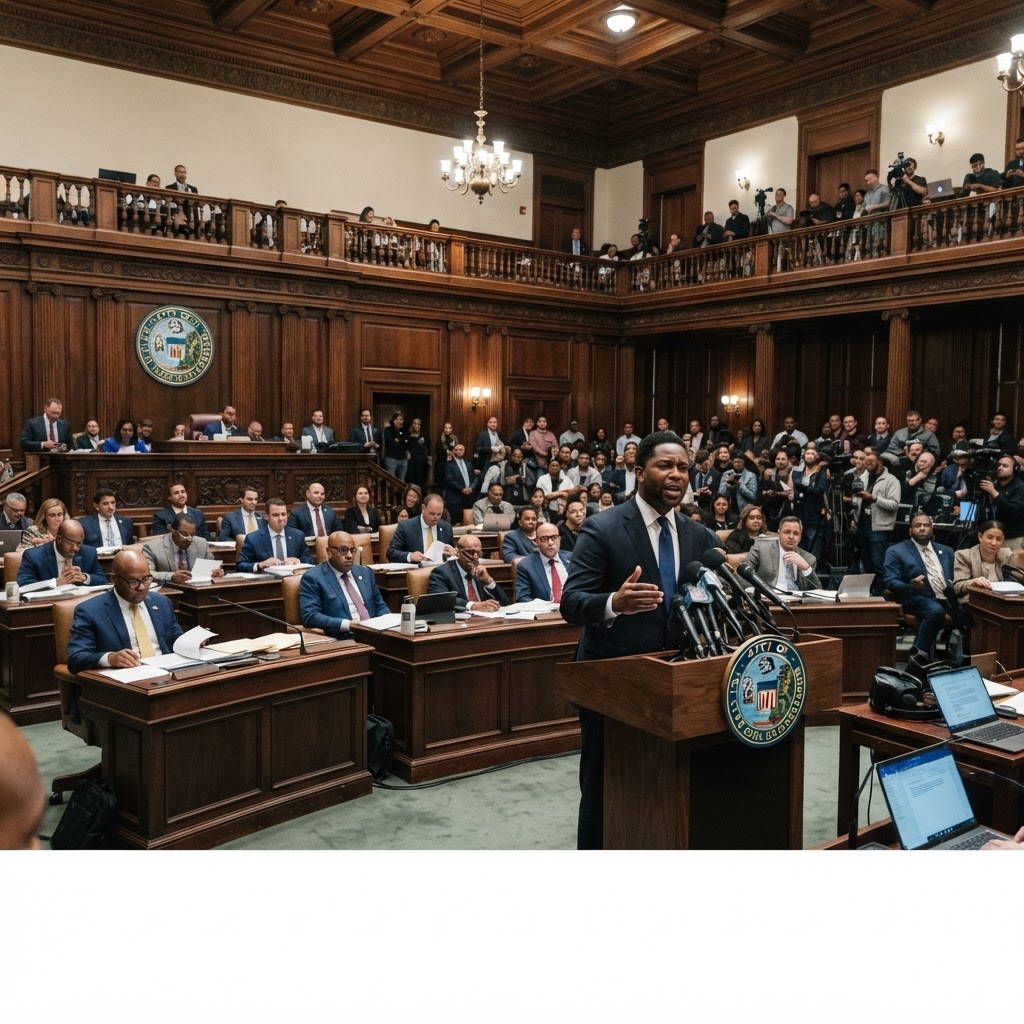
Chicago Aldermen Clash Over Mayor Johnson’s Budget Cuts
Take Action
This country is worth fighting for. Get involved today.