Opinion
Cheyenne Council Rejects Roadside Memorial Ban — and That Was the Right Call
Cheyenne, Laramie County, Wyoming
The Cheyenne City Council had a chance to regulate grief on public land. It voted 8-2 not to — and in doing so, sided with families over bureaucracy.
Key Takeaways
- •The Cheyenne City Council voted 8-2 on March 9, 2026 to reject a roadside memorial ban.
- •The ordinance would have prohibited private displays on public rights-of-way.
- •Councilman Larry Wolfe said memorials were not a big enough issue to justify the council's time.
- •A committee had advanced the measure on February 17, 2026 before public pushback.
- •The article is an opinion column grounded in verified local reporting.
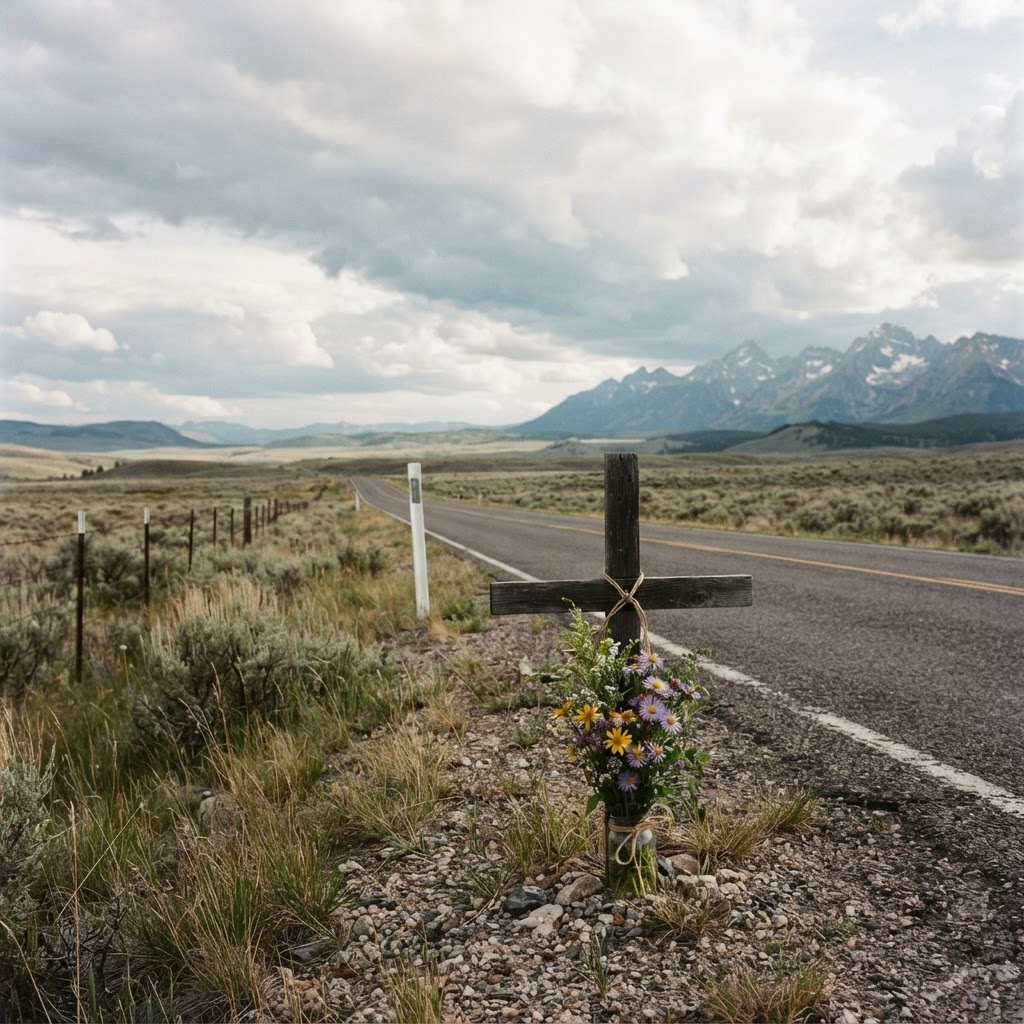
Government has no business telling grieving families where they may remember their dead. On March 9, 2026, the Cheyenne City Council agreed — voting 8-2 to reject an ordinance that would have banned private roadside memorials placed on public rights-of-way.
The decision, covered by Cap City News, the Wyoming News, and Your Wyoming Link, ended months of public pushback and came after a committee had advanced the measure just weeks earlier. It is worth understanding why the council was right to let it die — and why the instinct to regulate even this should worry anyone who values limited government.
The proposal
The ordinance would have prohibited private displays and memorials on public property, with a temporary exception for memorials that the original committee draft had contemplated. Sponsored by a council member named in local reporting as Aldrich, the measure was aimed at the small crosses, flowers, and tributes that families place near the sites of fatal accidents.
The intent, presumably, was tidy streets. The reality would have been a government order to grieving families to remove the markers they had placed for loved ones killed on those roads.
The vote
The council rejected the ban 8-2 on final reading. Councilman Larry Wolfe, according to the Wyoming News, agreed with many members of the public that memorials are not a big enough problem to justify the council's "time and energy."
That is a refreshingly honest statement from an elected official: not every human activity requires a law. Some things are best left to the judgment of the people living them.
The strongest argument for the ban
To be fair to the ordinance's supporters, they were not acting from nothing. Roadside memorials can, in some cases, create genuine safety concerns — a distraction to drivers, a hazard on a narrow shoulder, a maintenance burden for road crews. There is a legitimate public interest in keeping rights-of-way clear and safe.
And a consistent principle cuts both ways: if conservatives believe government should enforce property rules uniformly, then allowing permanent private structures on public land without any process is, technically, an exception to that rule.
But these concerns are answers to a problem that is, by the council's own admission, small. The memorials in question are modest, temporary, and deeply meaningful to the families who place them. A ban is the bluntest possible tool for a problem that barely exists.
Why the council was right
The conservative case against the ordinance rests on a simple hierarchy of values. Government exists to protect rights and address genuine harms. It does not exist to tidy up the visible expressions of human grief simply because they are there.
When a family places a cross where a loved one died, they are not asserting a property claim against the public. They are mourning. The urge to regulate that impulse — to file it, permit it, or forbid it — reflects a bureaucratic habit that treats every spontaneous human act as a problem to be managed.
Cheyenne's council rejected that habit. In doing so, it honored a principle that conservatives should celebrate: the presumption of liberty. If government cannot articulate a concrete harm, it should leave people alone, a theme we develop in our Free Speech issue hub.
What it says about local government
The Cheyenne vote is a small story, but it is the kind that reveals how officials think. A council that spends months drafting a memorial ban — then drops it when the public objects — has at least shown it can listen. A council that would have pressed ahead anyway would have told residents something colder: that the appearance of order matters more than their loss.
Councilman Wolfe's framing was the right one. Not every issue deserves a ordinance. Not every emotion requires a regulation. And when in doubt, the default in a free society is to let people grieve in peace.
The lesson for other towns
Communities across Wyoming and the country will face similar temptations — the impulse to codify every corner of public life, to turn a tidy street into a policy goal worth a family's pain. Cheyenne's answer is worth remembering: government is powerful enough already. It does not need jurisdiction over a mother's flowers.
When officials ask whether to regulate something, the first question should not be "Can we?" but "Should we?" On the matter of roadside memorials, the Cheyenne City Council arrived at the right answer — not because grief is above the law, but because the law is not above grief.
For more on how local decisions shape liberty in your community, follow our Election Center and coverage of local government accountability.
Explore Wyoming
Explore more news, elections, representatives, and information from Wyoming.
Visit Wyoming State Profile