Local Government
Whitesboro Residents Push Back Against 61% Property Tax Proposal
Whitesboro, Grayson County, Texas
A proposed property tax increase that would have added nearly $500 to the average Whitesboro, Texas, homeowner's bill drew a roomful of angry residents — and a quick retreat from the city council.
Key Takeaways
- •Whitesboro, Texas officials proposed a property tax rate that would raise the average bill by 61%.
- •The increase would have cost the average homeowner about $498.73 per year.
- •Angry residents forced the city council to table the increase at the first hearing.
- •A follow-up hearing was set for September 29, 2025.
- •The Texas Public Policy Foundation found similar large increases in several small Texas towns.
Nearly $500. That is the dollar figure that brought a roomful of angry residents to a public hearing in Whitesboro, Texas.
In 2025, city officials proposed adopting a tax rate that, according to the Texas Public Policy Foundation and the Texas Scorecard, would have raised the average homeowner's property tax bill by 61% — an increase of roughly $498.73 in a single year. The size of the jump was what made the Whitesboro case unusual. But the pattern it fits — small towns reaching for big tax hikes — is not.
What was proposed
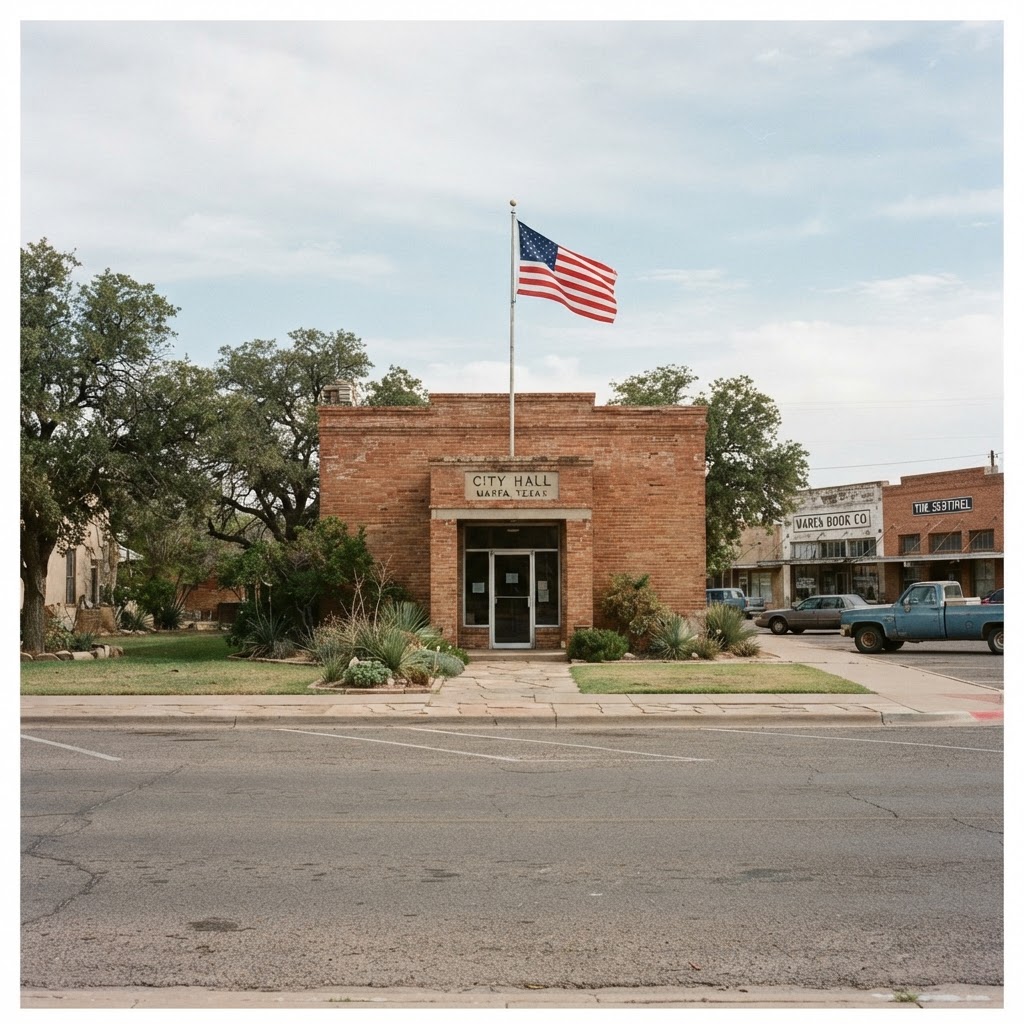
Whitesboro is a city of fewer than 4,000 in western Grayson County, about 15 miles west of Sherman. According to KXII and the Texas Scorecard, the initial proposal called for a tax rate increase so steep that the average homeowner would have seen the city portion of their bill jump by more than half in one cycle.
The first public hearing drew what local reporting described as "hordes" of angry residents who voiced their discontent. Faced with that reaction, the city council tabled the radical increase rather than vote on it. A follow-up hearing was set for September 29, and subsequent reporting referenced a revised figure of 51% — still a dramatic jump, though slightly reduced.
Why this matters beyond Whitesboro
The Texas Public Policy Foundation, surveying official Notices of Public Hearing on Tax Increase, found that Whitesboro was not an isolated case. Several small Texas cities — some with populations under 5,000 — were entertaining tax increases that would cost the average homeowner anywhere from $249 to $726 per year, representing 25% to 61% jumps in the city portion of the bill.
The foundation's analysis identified three takeaways. First, a 61% one-year increase allowed without voter approval signals a weakness in Texas' property tax revenue limitations. Second, small towns are not immune to the tax-and-spend mindset often associated with big cities. Third, homeowners in these communities will not see the full value of promised state tax relief — estimated at roughly $484 for the average household — because local decisions eat it back up.
The case for the increase
To be fair, small-city officials are not always wrong to raise rates. Rising costs for public safety, infrastructure, and insurance are real, and a city that has held its rate flat for years may legitimately need an adjustment. The Texas Legislature has committed substantial resources to property tax relief, but that relief can be frustrated when local governments raise rates, hold tax-rate elections, or issue debt.
The argument from city hall is that services cost money, and a growing community needs revenue to keep up. That is not unreasonable on its face.
The case against
But a 61% increase in a single year is not an adjustment — it is a shock. And the fact that it can happen without a direct voter vote is exactly the problem conservatives have identified in Texas' property tax system. When local governments can absorb state relief and hike rates in the same breath, the taxpayer never actually wins, a pattern we have documented in our Taxes & Spending issue hub.
The residents who showed up in Whitesboro were doing what citizens are supposed to do: holding their government accountable at the moment a decision is made. Their pressure worked — the council tabled the increase. But tabling is not a defeat of the idea; it is a delay. The question is whether the revised proposal, whenever it returns, will be any more justified than the original.
What happens next
The September 29 hearing gave residents a second chance to weigh in. The deeper question is whether Texas lawmakers will close the gap that allowed a small town to contemplate a 61% jump in the first place. The TPPF has urged a legislative response, including stricter local spending limits, balanced-budget requirements, and debt limits — tools designed to control the appetite of cities, counties, and school districts of every size.
For a town the size of Whitesboro, Texas, $500 is not an abstraction. It is a car payment, a month of groceries, or a family's utility bills for a season. The residents who packed that hearing understood that — and they reminded their council that the money government spends is not its own.
Whether the increase returns in a smaller form or dies entirely will depend on whether that same pressure shows up at the next meeting. See how your elected officials vote on fiscal issues in our Election Center.
Explore Texas
Explore more news, elections, representatives, and information from Texas.
Visit Texas State Profile