Crime & Safety
House Table Lists $1.453 Million for Cumberland Sheriff’s Cameras and Digital Policing
Crossville, Cumberland County, Tennessee
A federal House funding table includes Cumberland County’s technology project. The documents identify cameras, patrol computers, dispatch connections and license-plate readers, but do not establish a completed purchase.

Key Takeaways
- •The House FY2027 CJS table lists $1,453,000 for the Cumberland County project.
- •John Rose’s request describes body cameras, in-car video, computers, dispatch integration and plate readers.
- •The reviewed records do not establish a final federal award, vendor contract or installation date.
A House appropriations table lists $1,453,000 for the Cumberland County Sheriff’s Office’s Integrated Digital Policing Technology Project, adding a specific dollar figure to a proposal covering cameras, patrol computers and other connected equipment.
The entry appears on PDF page 73, printed page 224, of the House’s FY2027 Commerce, Justice, Science and Related Agencies community-project table. It names Cumberland County as recipient, Crossville, Tennessee, as location, the COPS Tech account and Representative John Rose as requester.
The column is labeled “House Amount.” It should not be described as money already received or equipment already installed.
What the proposed system includes
Rose’s March 19, 2026 funding request identifies five parts:
- Body-worn cameras.
- Video systems in patrol vehicles.
- Mobile data computers for patrol vehicles.
- Connections to computer-aided dispatch.
- A license-plate reader program.
Rose argues that the project would improve transparency, prosecution, officer safety and response efficiency. Those are the requesting lawmaker’s stated expectations. The letter does not provide measured results from an implemented system.
Together, the requested components suggest an investment in how information moves between patrol work, dispatch and case preparation. The public documents reviewed do not identify a vendor, quantities, camera locations or an installation schedule.
Three funding stages should stay separate
The House Appropriations Committee’s FY2027 page places the table under projects included in House bills. It links the same CJS document as its updated May 14 table and its final table.
“Final table” on that webpage does not turn the “House Amount” column into proof of a final agency award. Residents following the proposal should distinguish these stages:
| Milestone | Evidence checked for this article |
|---|---|
| A member requests a named project | Rose’s March 19 letter. |
| A House funding table assigns an amount | $1,453,000 in the CJS table. |
| An enacted allocation, federal award and local purchase establish implementation | Not established by the documents reviewed here. |
This is not a finding that funding was denied or that no later action occurred. It identifies the milestone these particular records document. A later award notice or county contract could materially change the project’s status.
Equipment and operating policies belong in the same discussion
A useful next-stage account would pair any purchase with the policies that govern it. For cameras, the questions include when recording is required, how footage is retained and who can review it. For plate readers, residents need the adopted rules for collection, access, sharing, retention and correction of mistaken matches.
The federal COPS Office’s body-camera implementation guidance recommends clear retention policies and public posting of retention periods. That is general guidance, not evidence of Cumberland County’s adopted policy.
The budget questions also extend past the initial purchase: subscriptions, storage, maintenance, replacement and staff training may affect the county’s long-term cost. The House entry does not break those costs out, so no recurring-cost estimate is asserted here.
The records that would move this story forward
The most useful follow-up documents are an enacted project allocation or award notice, any county acceptance and budget amendment, a procurement record, and the final operating policies. Each would answer a different question: whether funding exists, whether the county accepted it, what it bought and how it will use it.
This approach also applies to the county’s road-project tracker: a funding milestone and a completed project are separate events. The sheriff’s ICE agreement is another distinct public-safety program and should not be merged with this technology request.
Frequently Asked Questions
Has Cumberland County received $1.453 million?
The checked House table lists that amount. The records reviewed for this article do not establish receipt of a final award.
Are license-plate readers included in the proposal?
Yes. Rose’s request explicitly includes a license-plate reader program, alongside cameras, computers and dispatch connectivity.
Does the table identify a vendor or deployment date?
No vendor or installation date is established by the funding documents reviewed.
Find related decisions in the Cumberland County hub, more Tennessee local reporting, and the Tennessee state hub.
Public documents checked October 1, 2026. No county or vendor interview was conducted.
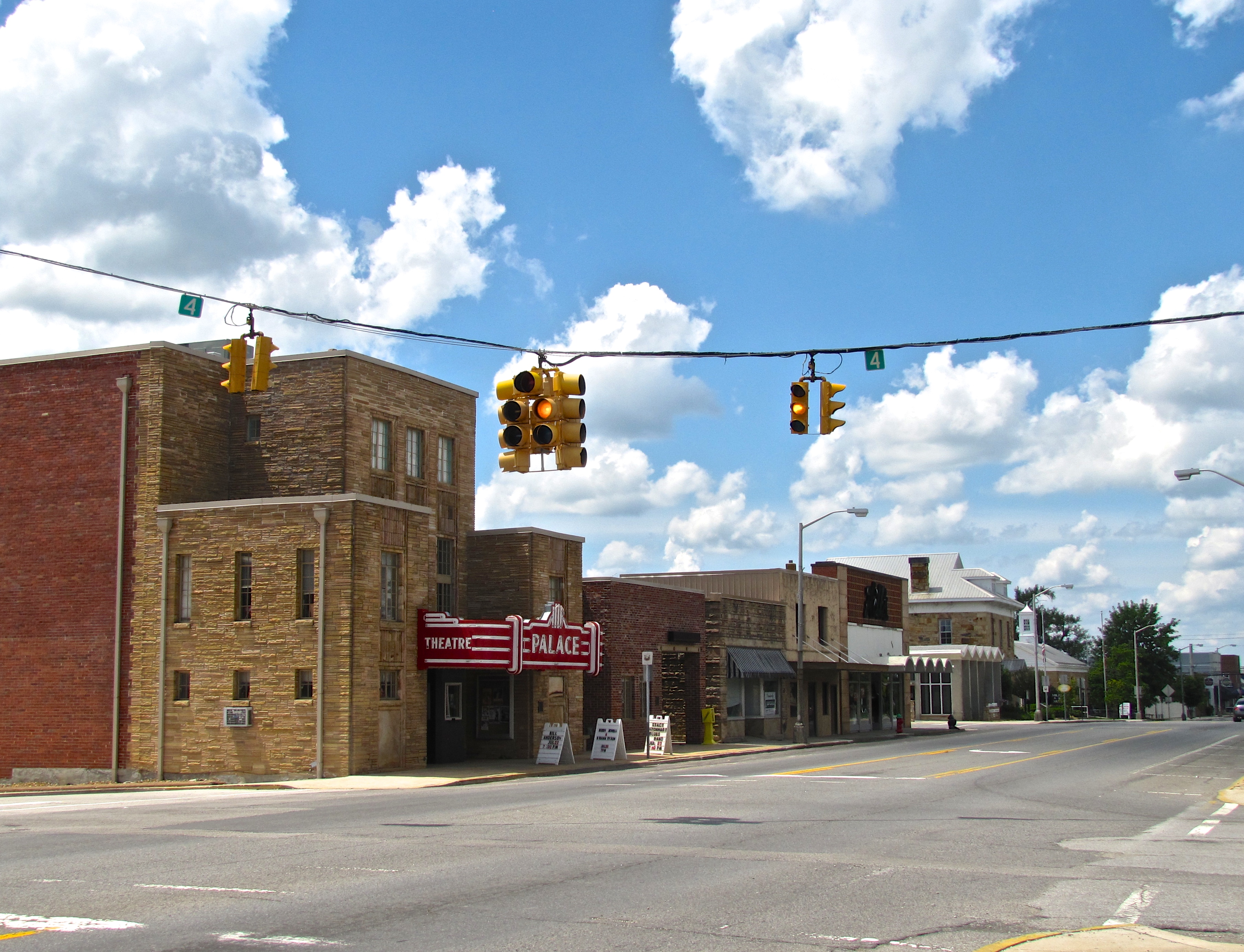
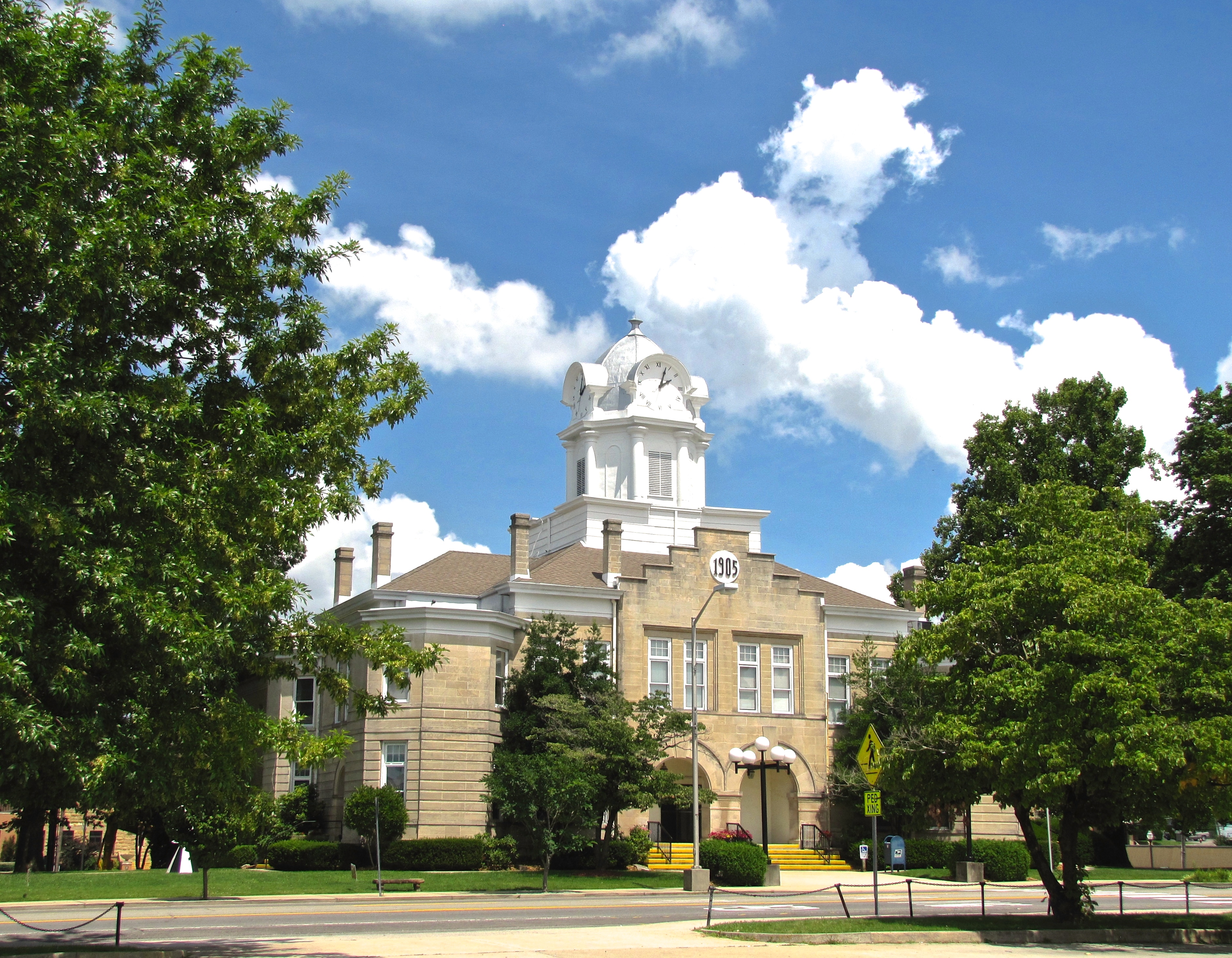
Photograph: Crossville courthouse square tn1.jpg by Brian Stansberry, CC BY 4.0. Original photograph used without editorial alteration; displayed to fit the page.
Sources
Explore Tennessee
Explore more news, elections, representatives, and information from Tennessee.
Visit Tennessee State Profile