
Utah Board Opposes $42M Voucher Shift
In a sharp rebuke of proposed legislative shifts, the Utah State Board of Education voted against a voucher push that would redirect $42 million.
WorthFighting.org News
Staff Writer
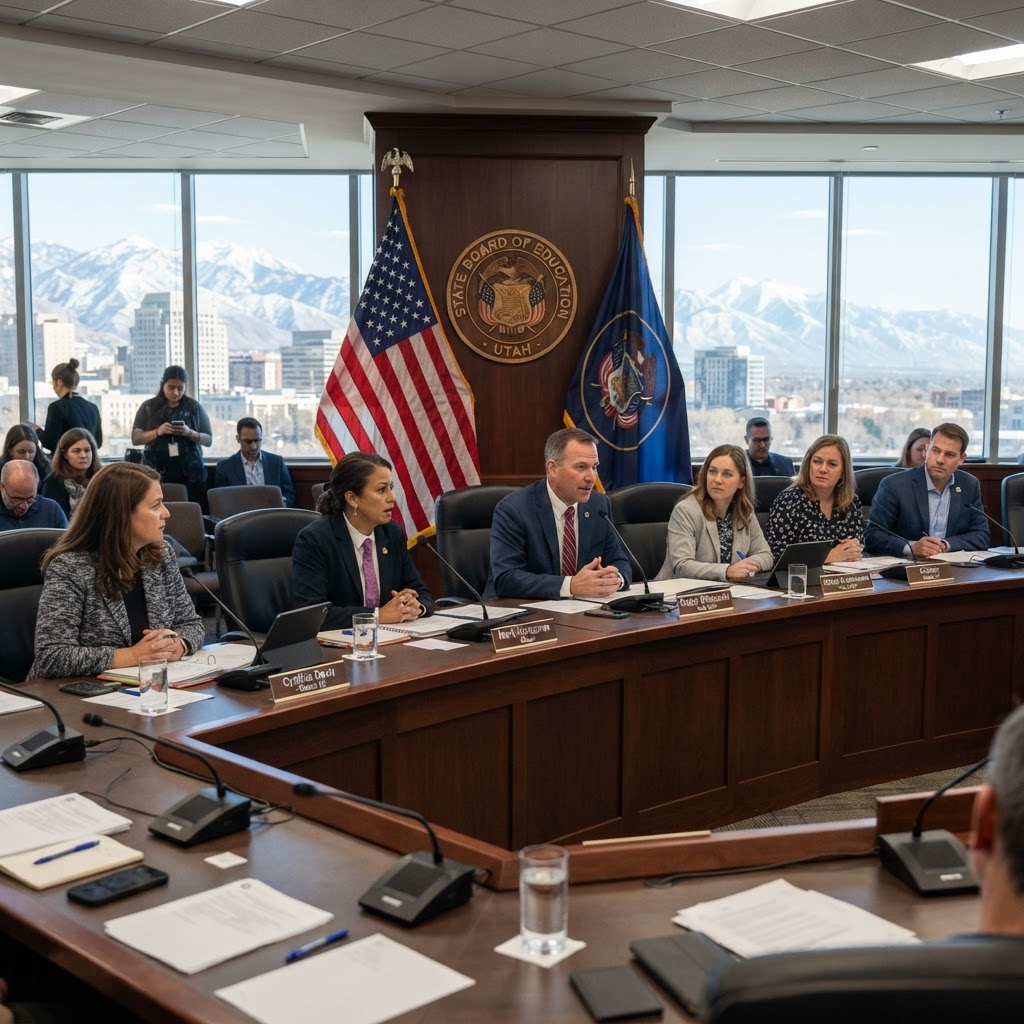
State Regulators Push Back on Legislative Plans
In a rare and closely watched clash over the future of public classroom funding, the Utah State Board of Education moved in Salt Lake City to formally register opposition to a contested school voucher measure. The proposal, which has sparked intense debate inside the Utah State Capitol and across local school districts, seeks to redirect an estimated $42 million toward alternative schooling options and private voucher initiatives.
The board’s decision marks an unexpected development in a state that has largely championed parental rights and educational options. Board members expressed rising concern that carving tens of millions of dollars out of traditional classroom allocations could strain local districts already navigating facilities maintenance, educator compensation, and post-pandemic learning metrics. Readers following state-level developments through our /states/utah portal have witnessed how fiscal decisions in Salt Lake County regularly set the tempo for broader policy trends across the intermountain West.
The Battle Over $42 Million in Classroom Resources
The central point of contention revolves around the preservation of core funding for local public districts, including Salt Lake City School District and neighboring suburban systems. Educational administrators argue that traditional schools bear fixed operational overhead costs—such as heating, bus routes, and specialized staff—that do not shrink proportionally when individual students transfer out via voucher programs.
Critics described the contested initiative as siphoning critical resources off of public education at a delicate moment for neighborhood campuses. They point out that public schools remain legally required to accept and accommodate every student, including those with intensive special needs and behavioral interventions, while private alternatives retain selective enrollment criteria.
Conversely, supporters of voucher programs and educational freedom maintain that taxpayer dollars belong to children, not systems. Advocates across the broader /category/education landscape argue that competition forces traditional school boards to raise academic standards, improve parent communication, and root out ineffective bureaucratic practices. They view school savings accounts as vital tools for working families who cannot afford private schooling out-of-pocket when local schools fail to meet expectations.
Local School Districts Weigh the Consequences
Across Salt Lake County, district officials and community councils are calculating what these funding shifts mean for daily operations. In Salt Lake City, educators have placed a renewed focus on fundamental academics, science of reading programs, and school infrastructure improvements, such as major rebuilds and facility modernizations at landmark institutions like West High School.
Local school boards emphasize that maintaining robust foundational reading skills, career training academies, and competitive compensation packages for high-performing teachers requires budget certainty. A sudden shift of $42 million away from the general public education framework would force districts to make tough choices regarding elective courses, support personnel, and local property tax rates.
Meanwhile, legislative leaders committed to school choice have signaled that they intend to keep pushing forward, arguing that parents deserve direct oversight of the tax revenue set aside for their children's intellectual upbringing.
Why This Matters
For American families and taxpayers, the clash between the Utah State Board of Education and state lawmakers illustrates the national debate over educational sovereignty and fiscal stewardship. When public dollars follow students outside traditional public frameworks, local governments must either streamline administrative bloat or ask residential homeowners to cover the remaining budget shortfalls. How Utah resolves this standoff will offer a clear roadmap for other states wrestling with classroom accountability, parent rights, and responsible budgeting.
Comments (0)
Be the first to comment.
Related Stories
Education
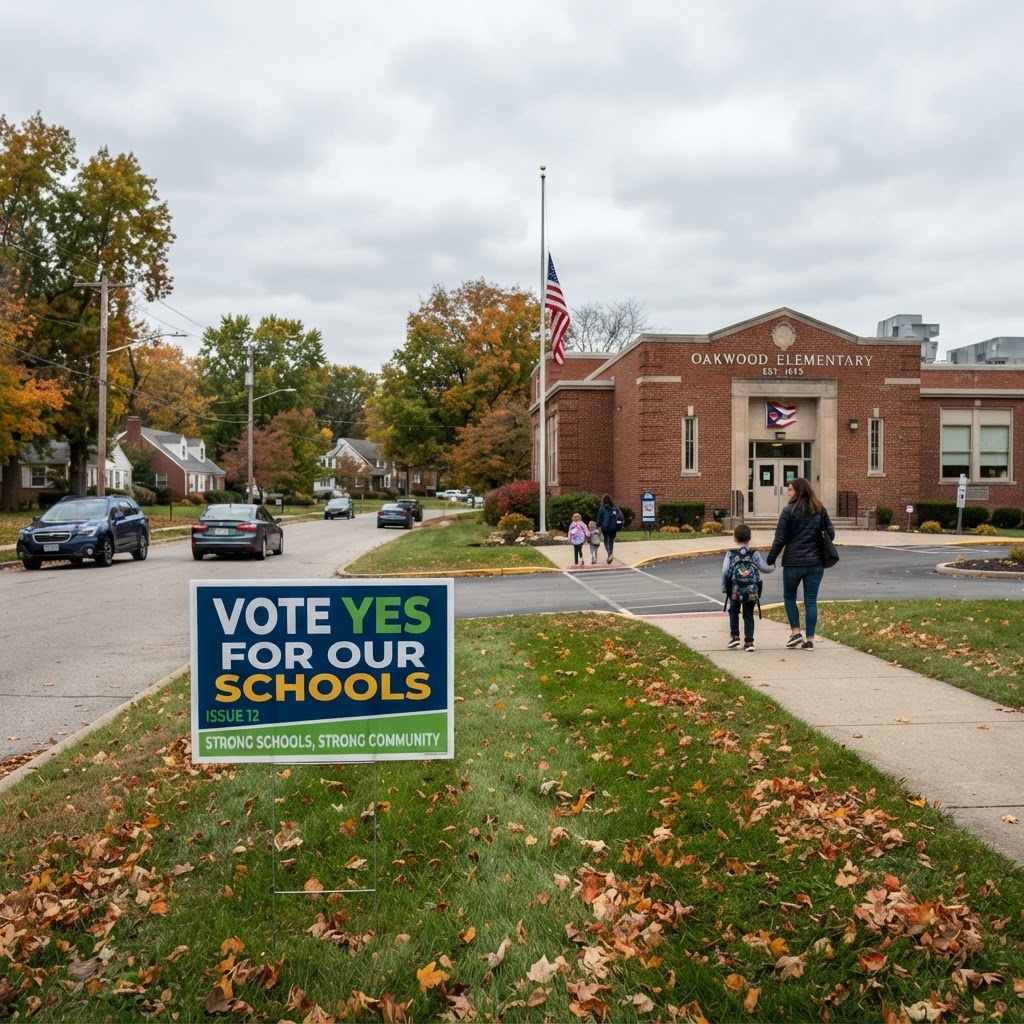
Ohio School Districts Face Financial Crisis at the Ballot
Across Ohio, multiple school districts are heading to the November ballot with critical tax levies, warning of severe budget cuts and potential consolidation.
WorthFighting.org News · 6 min read
Education
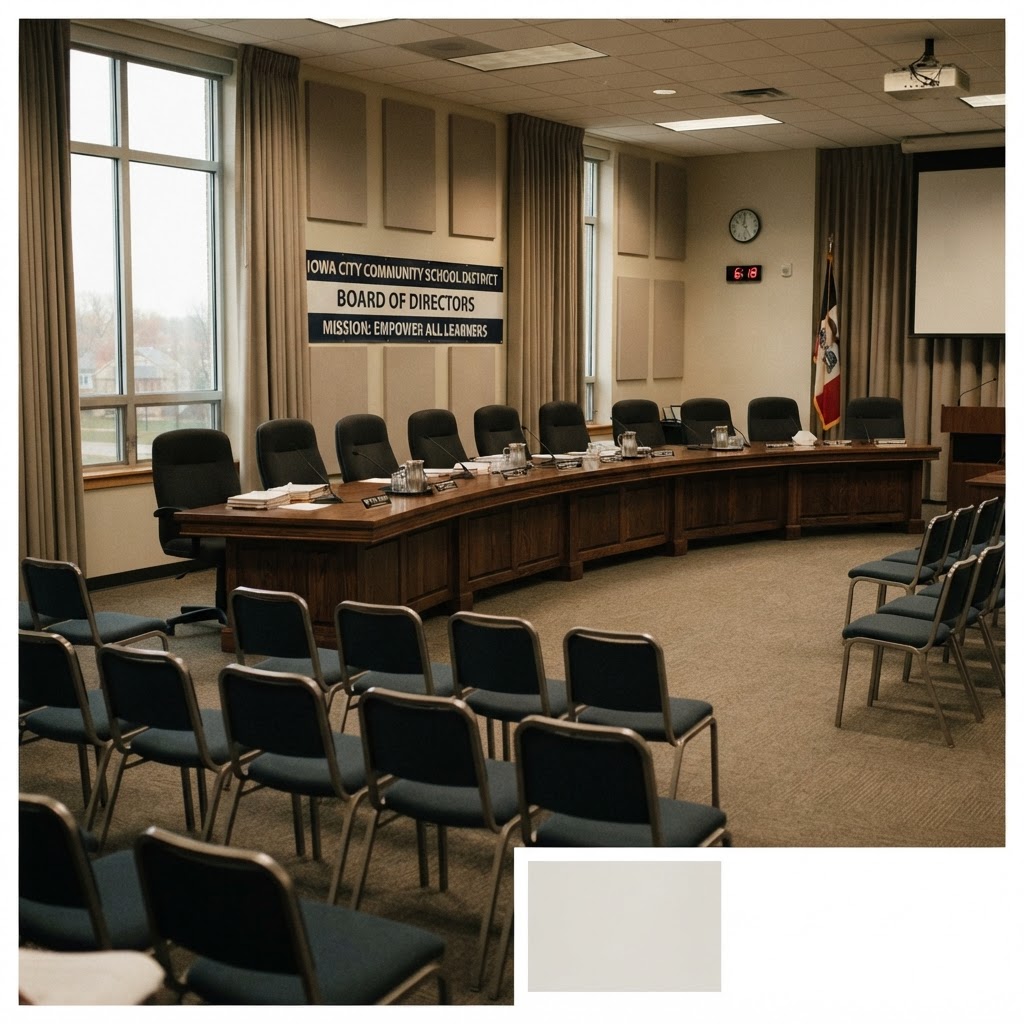
Iowa City Schools Face $32.5M Deficit and Potential Closures
The Iowa City Community School District is launching a boundary review committee as it grapples with a massive $32.5 million budget shortfall.
WorthFighting.org News · 6 min read
Education
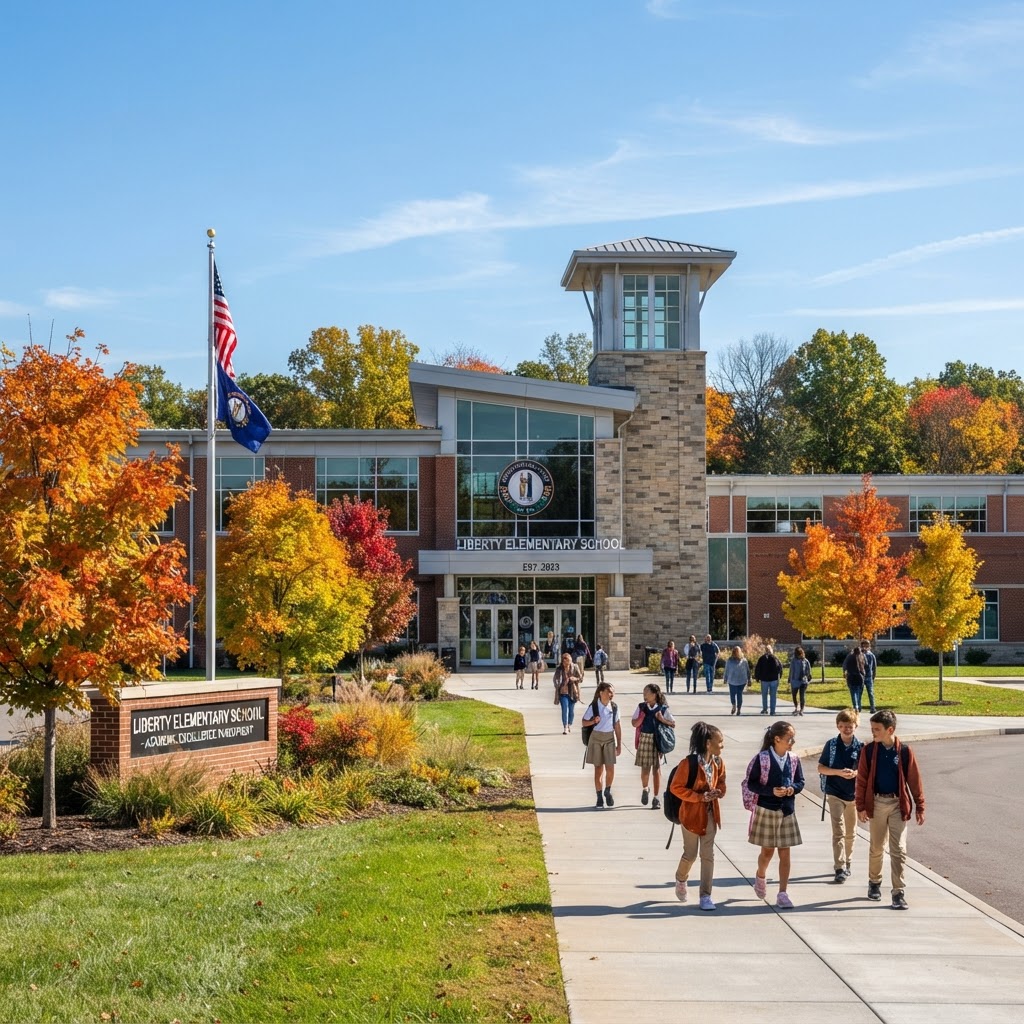
Kentucky Education Fund Offers New Tax Credit Opportunity
A new initiative allows Kentucky taxpayers to support the Kentucky Education Fund while receiving tax credits through the Education Freedom Tax Credit program.
WorthFighting.org News · 5 min read
Education
Minneapolis Schools Face Potential Closure of 16 Campuses
Minneapolis Public Schools is considering closing 16 schools to address a $40 million deficit and declining enrollment. Families are bracing for major changes.
WorthFighting.org News · 6 min read
What People Are Reading
East Providence Taxpayers Hit With 3.5% Property Tax Hike
Florida Homeowners Remain Skeptical of Insurance Reforms
Chicago Aldermen Clash Over Mayor Johnson’s Budget Cuts
Alabama Supreme Court Weighs Absentee Ballot Law
Wyoming Energy Authority Launches Power Grid Study
Take Action
This country is worth fighting for. Get involved today.