
St. George’s Boom Tests the Backbone of a Family-First Community
St. George has become one of the fastest-growing corners of the Mountain West, drawing thousands of new residents with jobs, sunshine, and safety. But many longtime locals say the region’s family-centered culture is now under growing pressure from newcomers who want the prosperity without preserving the values that built it.
Ethan Caldwell
Senior Staff Writer

St. George, Utah, has long stood out as a rare American success story: a clean, safe, faith-centered community where families could afford a home, raise children with confidence, and count on neighbors to share a basic moral vocabulary. Today, that model is under strain.
Rapid population growth across Washington County has brought prosperity, business expansion, and national attention. It has also brought a deeper question that many local families are now asking: can St. George remain St. George if the people pouring in do not respect the values that made it desirable in the first place?
From housing costs to school culture to the tone of local politics, many residents say the challenge is no longer just growth. It is whether Southern Utah can absorb a wave of transplants without surrendering the faith, family, and self-government traditions that made the region strong.
A Boomtown With Real Consequences
St. George and the surrounding area have seen years of explosive development, fueled by retirees, remote workers, and families leaving high-cost blue states in search of a better life. New subdivisions stretch farther into the desert, traffic is heavier, and home prices have climbed well beyond what many young local families can comfortably afford.
For some, that is the price of success. For others, it is a warning sign.
"People come here because they want order, safety, and a strong family culture," said Darin Halbrook, a fictional conservative policy analyst with the Southern Utah Family Institute. "But too often, they arrive from states damaged by progressive policies and then begin voting, organizing, and pressuring local institutions to import the same ideas here. That is how communities lose themselves."
Local church leaders, business owners, and parents say the concern is not with newcomers as people. St. George has long welcomed those willing to contribute and assimilate into the local culture. The concern is with a mindset that treats local traditions as obstacles rather than assets.
"A healthy community is not built by government programs alone. It is built by intact families, churches, civic responsibility, and respect for the people who were here before the boom," said Michelle Redding, a fictional Washington County city council member.
That tension is increasingly visible in everyday life. Residents point to crowded schools, water planning debates, zoning fights, and pressure on public services. But beneath those policy disputes lies a cultural battle over what kind of place St. George will be in ten years.
Family Culture Under Pressure
Longtime residents often describe St. George not simply as a marketable destination, but as a way of life. Church attendance, youth sports, volunteerism, and neighborhood trust have all helped define the area’s character. Parents say they have long valued schools where basic discipline still mattered and local government that generally stayed close to the people.
Now, some fear that the region is absorbing outside political and cultural assumptions that are hostile to that foundation.
Parents interviewed around the area increasingly mention concerns about curriculum battles, social pressures on children, and a broader shift away from the moral clarity that once set Southern Utah apart. While St. George remains more conservative than many fast-growing Western cities, the pressure is real.
Rachel Bennion, a fictional family advocate and former school board adviser, said the change is often subtle at first.
"It starts with the argument that local values are too old-fashioned, too religious, or too restrictive," Bennion said. "Before long, parents who simply want schools focused on academics, discipline, and parental rights are treated like the problem. That should alarm every family in this county."
Among the concerns frequently raised by residents are:
- rising home prices that push young families farther from the communities where they grew up
- increased pressure on schools to accommodate ideological trends imported from larger metro areas
- local political organizing aimed at expanding government rather than preserving community control
- commercial development that prioritizes fast profit over neighborhood character and family stability
- a weakening of the unwritten social compact built around faith, responsibility, and public decency
These concerns are not unique to Utah. Similar stories have played out across Idaho, Texas, Tennessee, and Florida, where migration from failing high-tax, high-regulation states has reshaped local politics and culture. But St. George offers a particularly clear test case because the area’s identity has been so closely tied to family life and religious conviction.
Growth Does Not Have to Mean Surrender
None of this means growth itself is the enemy. A growing economy, strong homebuilding, and new business investment can all benefit the region. The question is whether local leaders have the courage to protect the principles that made the community worth moving to in the first place.
That begins with a few straightforward commitments: defending parental rights, preserving local control over education, supporting law enforcement, keeping taxes and regulation in check, and resisting the temptation to let unelected bureaucracies dictate the future of the region.
It also means telling the truth about what draws families to places like St. George. They come for freedom, yes. But they also come for order, stability, patriotism, and a moral culture that does not apologize for itself.
"Communities have a right to preserve their character," said Caleb Mercer, a fictional land-use attorney and constitutional scholar based in Utah. "The Constitution protects freedom of movement, but self-government means local citizens are not required to erase their standards in order to accommodate every political preference newcomers bring with them."
That message is likely to resonate with many in Washington County who do not want St. George to become another cautionary tale: another beautiful American community transformed by unchecked growth, rising costs, and political drift.
The Choice Before Southern Utah
St. George is not powerless. It still has strong churches, engaged parents, patriotic small-business owners, and a population that broadly understands the value of family formation and civic virtue. Those assets matter more than ever.
The path forward is not resentment. It is confidence. New residents who come to St. George because they admire its family-centered culture should be welcomed as neighbors and asked to help preserve it. But local leaders should not be timid about drawing a line against the policies and attitudes that have already hollowed out so many other once-thriving communities.
A town cannot remain exceptional by acting embarrassed about the values that made it exceptional.
For St. George, the challenge of the next decade will not simply be managing traffic, housing, or growth boundaries. It will be deciding whether prosperity can be harnessed without sacrificing identity. If Southern Utah wants to remain a refuge for faith, family, and freedom, then the people who love it will have to say so plainly — and govern accordingly.
That is not intolerance. It is stewardship. And in an America where too many communities have forgotten who they are, St. George may yet prove that growth and conviction do not have to be enemies — if its citizens are willing to fight for what is worth keeping.
Comments (0)
Be the first to comment.
Related Stories
Crime
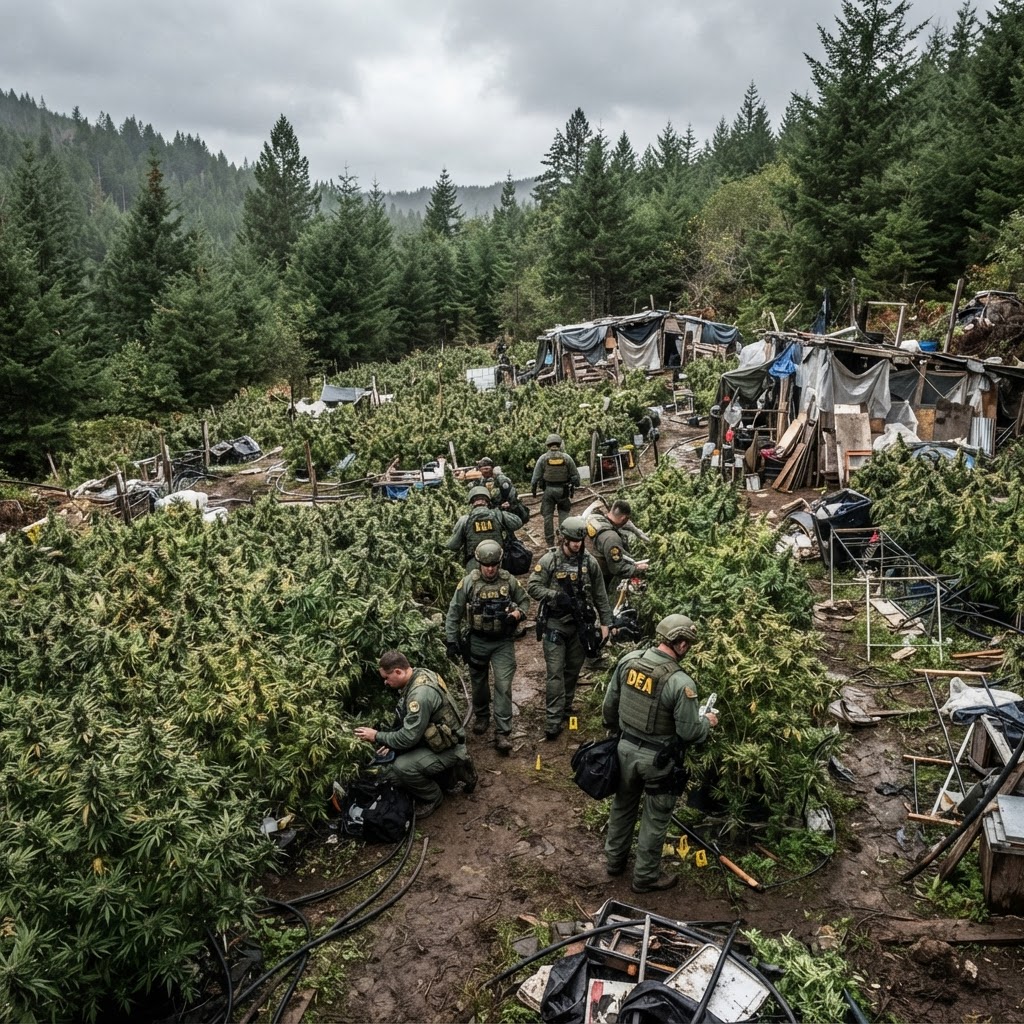
Oregon Authorities Bust $20M Illegal Marijuana Operation
Law enforcement in Oregon dismantled a massive illegal drug trafficking ring, seizing $20 million in cannabis and rescuing 55 laborers from inhumane conditions.
WorthFighting.org News · 6 min read

Education
Gillett Schools Slash Programs After Referendum Failure
The Gillett School District is moving forward with significant budget cuts following the recent failure of a local funding referendum by voters.
WorthFighting.org News · 5 min read

America First
Leslie County Secures Emergency Funds for Road Repairs
The Kentucky Transportation Cabinet has awarded over $161,000 in emergency aid to Leslie County to address critical road slides and ensure community safety.
WorthFighting.org News · 5 min read

Education
Plainfield Voters Secure School Funding in Second Ballot
Plainfield residents successfully passed a school budget in a second vote, effectively minimizing potential cuts to local education programs and staff.
WorthFighting.org News · 5 min read

Economy
Cheyenne Data Center Project Shifts to Google Ownership
A massive $17 billion data center project near Cheyenne has officially transitioned to Google, marking a significant shift in Wyoming's industrial landscape.
WorthFighting.org News · 6 min read

Economy
Iowa Leads Nation with Historic Property Tax Reform
Governor Kim Reynolds has signed landmark legislation providing $4.2 billion in property tax relief, marking the largest reduction of its kind in the nation.
WorthFighting.org News · 6 min read
Take Action
This country is worth fighting for. Get involved today.