
School Choice Explained: Education Freedom for Every Family
School choice lets parents, not zip codes, decide where their children learn. Here's the conservative case for education freedom and the policies making it happen.
WorthFighting Editorial Team
Editorial
Key Takeaways
- 1.School choice lets families use public education funding for the school that best fits their child
- 2.14 states have enacted universal or near-universal school choice programs as of 2026
- 3.Arizona's ESA program serves over 75,000 students
- 4.68% of 187 studies showed positive effects from school choice
- 5.Teachers' unions are the primary opposition to education freedom
School choice is the simple idea that parents — not government bureaucrats or ZIP codes — should decide where their children attend school. It is one of the most powerful conservative reforms of the 21st century, and it is reshaping American education.
What Is School Choice?
School choice encompasses policies that allow families to use public education funding for the school that best fits their child — whether public, charter, private, or homeschool. The core mechanisms include:
- Education Savings Accounts (ESAs): State-funded accounts parents can use for tuition, tutoring, therapies, and other educational expenses
- Vouchers: State-funded scholarships that cover private school tuition
- Charter Schools: Publicly funded, independently operated schools with more flexibility than traditional public schools
- Tax-Credit Scholarships: Private donations to scholarship organizations receive tax credits
The Conservative Case
The current system assigns children to schools based on their parents' address. This means wealthy families can buy homes in good school districts, while lower-income families are trapped in underperforming schools. School choice breaks that monopoly.
As Milton Friedman argued in 1955, education funding should follow the student, not the institution. Competition drives improvement in every other sector of the economy — there is no reason education should be different.
Key Statistics
- As of 2026, 14 states have enacted universal or near-universal school choice programs
- Arizona's ESA program serves over 75,000 students with an average account value of approximately $7,000
- Florida's scholarship programs serve more than 250,000 students
- Studies of school choice programs in Milwaukee (the oldest, running since 1990) show graduation rates 4-7 percentage points higher for voucher students
- A 2024 EdChoice synthesis of 187 studies found that 68% showed positive effects on student outcomes
The Opposition
Teachers' unions — the NEA and AFT — are the most powerful opponents of school choice. They argue that choice drains resources from traditional public schools. Conservatives counter that public education exists to serve children, not to protect a government monopoly.
The COVID-19 pandemic exposed the failures of the public school system. Remote learning revealed how little instruction was actually occurring. Parents saw what their children were being taught — and many did not like it. The parental rights movement was born, and school choice became its policy expression.
For more on the broader education landscape, see our future of learning analysis.
What's Next
The school choice movement is winning. Universal ESA programs are expanding across red states. The question is no longer whether school choice will exist, but how quickly it will reach every family in America — and whether blue states will allow their children to be trapped in failing systems while the rest of the country moves forward.
Comments (0)
Be the first to comment.
Related Stories
Education
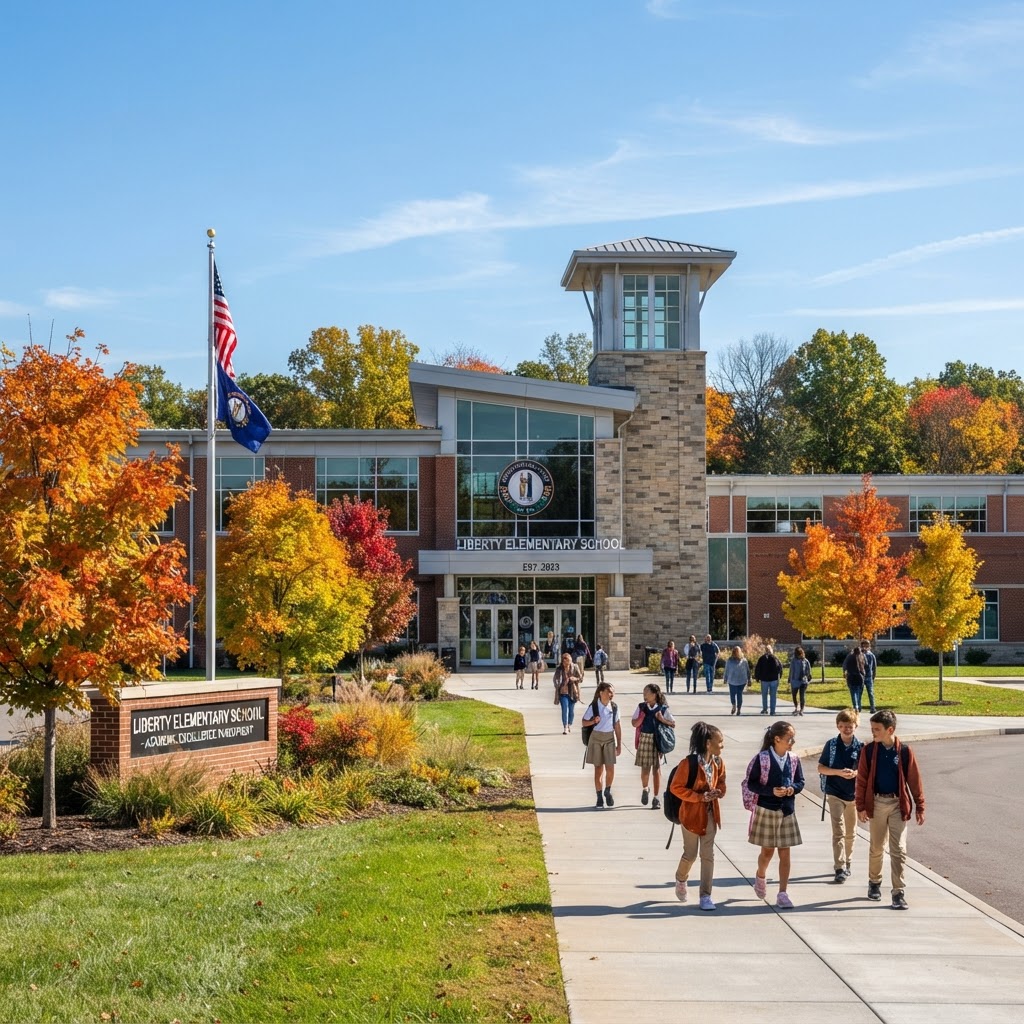
Kentucky Education Fund Offers New Tax Credit Opportunity
A new initiative allows Kentucky taxpayers to support the Kentucky Education Fund while receiving tax credits through the Education Freedom Tax Credit program.
WorthFighting.org News · 5 min read
Education
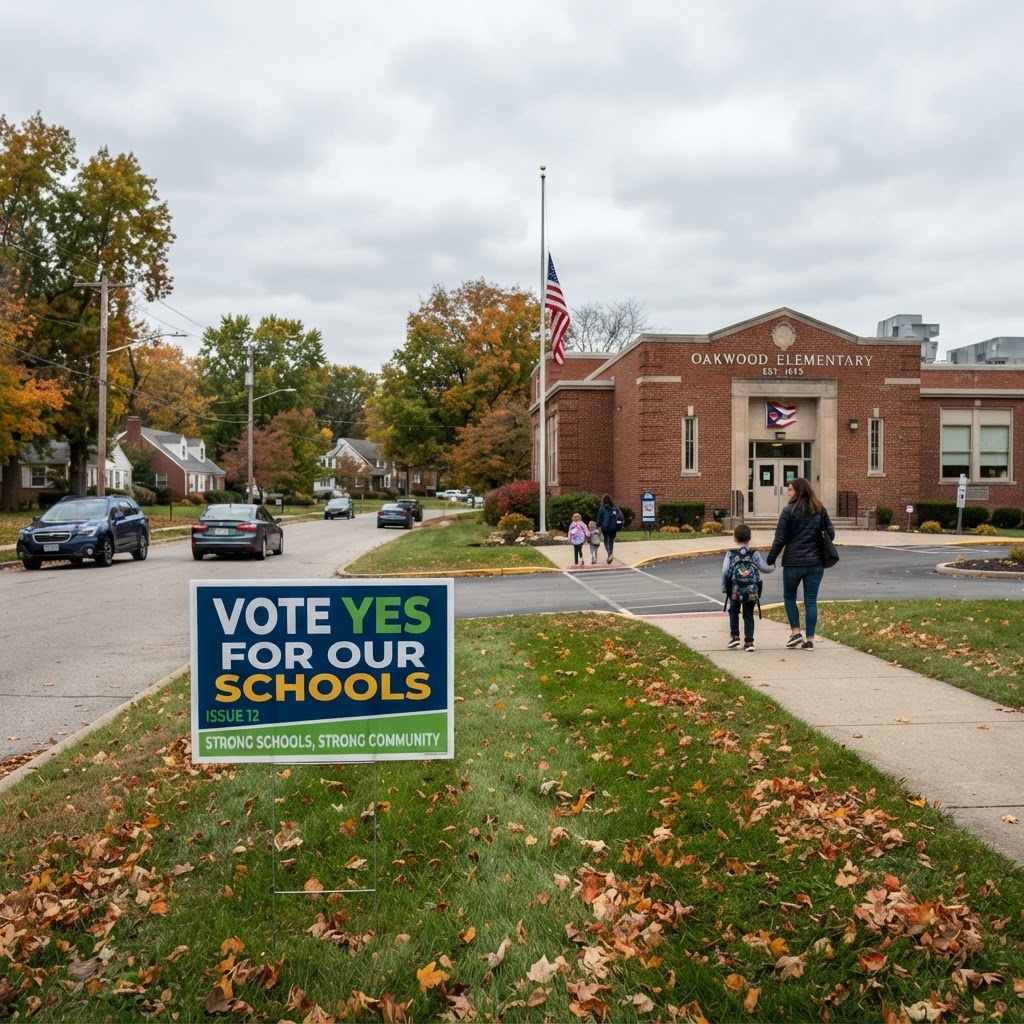
Ohio School Districts Face Financial Crisis at the Ballot
Across Ohio, multiple school districts are heading to the November ballot with critical tax levies, warning of severe budget cuts and potential consolidation.
WorthFighting.org News · 6 min read
Education
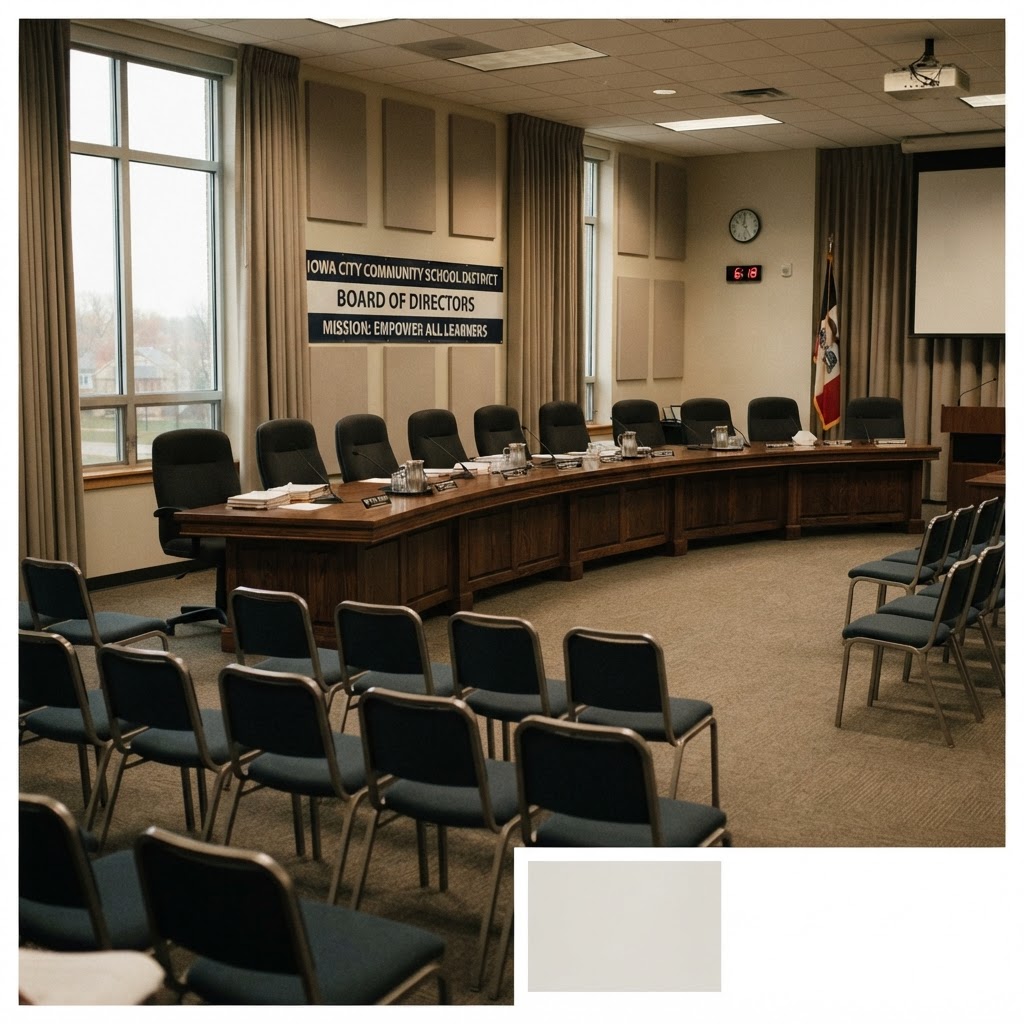
Iowa City Schools Face $32.5M Deficit and Potential Closures
The Iowa City Community School District is launching a boundary review committee as it grapples with a massive $32.5 million budget shortfall.
WorthFighting.org News · 6 min read
Education
Minneapolis Schools Face Potential Closure of 16 Campuses
Minneapolis Public Schools is considering closing 16 schools to address a $40 million deficit and declining enrollment. Families are bracing for major changes.
WorthFighting.org News · 6 min read
Related Resources
Related Articles
11 itemsSame category: Education
Same category: Education
Same category: Education
What People Are Reading
East Providence Taxpayers Hit With 3.5% Property Tax Hike

Florida Homeowners Remain Skeptical of Insurance Reforms
Chicago Aldermen Clash Over Mayor Johnson’s Budget Cuts
Alabama Supreme Court Weighs Absentee Ballot Law

Wyoming Energy Authority Launches Power Grid Study
Take Action
This country is worth fighting for. Get involved today.