
Republicans Hold the High Ground: Inside the 2026 Senate Map That Could Break the Left
Thirty-three Senate seats are on the 2026 ballot — and the map is drawn to break the Democrats. Here is the structural case for a Republican Senate expansion, and what it means for judges, the border, and the economy voters actually feel.
WorthFighting Newsroom
Senior Editor
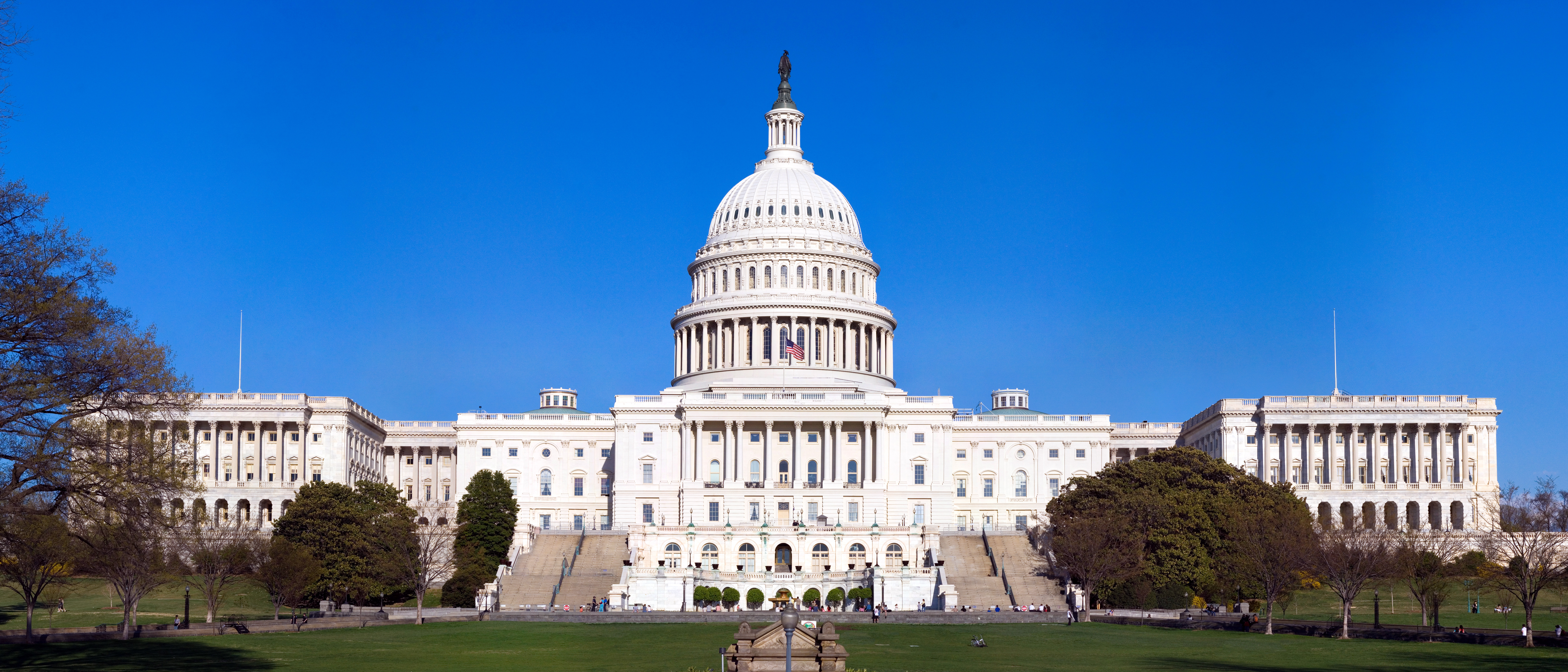
The west front of the United States Capitol, seat of Congress. Public-domain photograph by Noclip.
Noclip / Wikimedia Commons (public domain)
Key Takeaways
- 1.Thirty-three U.S. Senate seats are on the 2026 ballot, with Republicans holding the safer share of the map.
- 2.Democrats must defend competitive or open seats in Trump-won states including Georgia and Michigan.
- 3.Republicans' main vulnerabilities are limited to Maine (Collins) and North Carolina (Tillis).
- 4.Voter sentiment on inflation and the border puts incumbent Democrats in Trump-won states on defense.
The next fight for control of the United States Senate will not be waged on a level field. It will be fought on a map that Democrats privately concede is a slow-motion nightmare.
Thirty-three seats go before voters in November 2026. The vast majority sit in Republican hands — and nearly all of them are anchored in deep-red country. The Democrats' problem is the other column: a string of incumbents and open chairs in states Donald Trump just carried, in a country still grading the Biden-Harris economy and a border that was effectively thrown open.
Read the map the way a campaign manager does and the geometry turns unforgiving, fast.
Jon Ossoff has to ask Georgia for another term in a state Trump won. Gary Peters retired, leaving Michigan Democrats to defend an open seat in another state that flipped red. Jeanne Shaheen and Tina Smith both walked away, opening New Hampshire and Minnesota. Mark Warner stepped down in Virginia. Layer on Cory Booker in New Jersey and a handful of long-shot incumbents, and Democrats are defending more genuinely competitive seats than at any point in a decade.
The Republican worry list, by contrast, is two names deep: Susan Collins in Maine and Thom Tillis in North Carolina. Two. Everything else is fortification.
Why the map bends right
Senate campaigns are won and lost on three things: the candidates, the money, and the ground. In 2026, Republicans hold an advantage on all three before a single ballot is cast.
Incumbency usually protects the party in power. Not this cycle. Of the seats Democrats must defend, several are open — meaning no incumbent to shield them, no war chest to inherit, no name ID to lean on. Open seats are the most expensive thing in American politics, and the Democratic Senatorial Campaign Committee will be forced to spread its cash across a continent while the National Republican Senatorial Committee concentrates its fire on a handful of states.
Steve Daines, the Montana senator who chairs the NRSC, has argued publicly that 2026 is the most favorable Republican landscape in a generation — and that was before the retirements began stacking up. The math is brutal in its simplicity: Democrats can lose Georgia and Michigan and still need to run the table everywhere else. Republicans can lose Maine and North Carolina and barely feel it.
Then there is the weather. Not the meteorological kind. The political kind.
The economy voters actually feel
Polling has told the same story for two straight years. Voters do not grade the economy on a spreadsheet. They grade it at the gas pump, at the grocery store, and in the line at the doctor's office.
Inflation has cooled on paper. It has not cooled in the kitchen. Eggs, rent, car insurance, and electricity still eat a bigger share of the family budget than they did when Biden took office, and the voters who noticed are the ones who decide midterm turnout. Republicans plan to run on that gap between the headline number and the household reality — and it is a gap the incumbent party cannot close with a press release.
Every Democratic Senate candidate in a competitive state will now be asked a version of the same question: do you support the economic record you voted for, or do you want to change the subject? There is no third option. Read our deeper look at how the last administration papered over energy costs in an election year — and how voters saw through it.
The border is the other wall closing in. The illegal crossings that overwhelmed Border Patrol and rewired local politics in Arizona, Georgia, and Texas happened on the Democrats' watch, and the records are not going away. Senate Democrats in Trump-won states will be forced to own a record they spent four years trying to talk around. That is not a messaging problem. That is a credibility problem.
Who wins, who loses, and what comes next
If the map holds the way it is drawn, Republicans enter 2027 with a larger Senate majority and a freer hand to confirm judges, nominees, and legislation. The Senate's 60-vote gauntlet does not disappear, but the margin for error widens — and with it, the cost of a single defection shrinks.
The losers, in that scenario, are the Democratic moderates who survived 2024 by running away from their own party. Several of them will not survive 2026. Their replacements will be younger, more progressive, and farther from the swing voters who decide these races — a dynamic that deepens the party's structural problem rather than solving it.
There is a path for Democrats, but it is narrow and expensive. It requires a near-perfect recruitment cycle, a turnout operation that outperforms a presidential year, and a Republican nominee environment that disappoints. All three at once. Campaign veterans can name the last time that happened. They usually cannot.
The likeliest outcome is not a Democratic collapse. It is a slow squeeze: Republicans picking off two or three seats, Democrats saving the rest with record spending, and the Senate moving a few votes to the right in a body where a few votes decide almost everything.
The closing argument
Maps do not guarantee victories. They only set the price of winning. In 2026, the Democratic Party is about to learn just how expensive a friendly map for the other side can get — and there is no incumbent in the White House to bail them out this time.
Related WorthFighting Coverage
Comments (0)
Be the first to comment.
Sources
- 1.Federal Election Commission — 2026 ElectionsGovernmentAccessed Jul 27, 2026
- 2.Cook Political Report — Senate Race RatingsRatingsAccessed Jul 27, 2026
- 3.National Republican Senatorial CommitteeCampaign CommitteeAccessed Jul 27, 2026
- 4.U.S. Senate — SenatorsGovernmentAccessed Jul 27, 2026
- 5.U.S. Bureau of Labor Statistics — Consumer Price IndexGovernmentAccessed Jul 27, 2026
Related Stories
Border Security
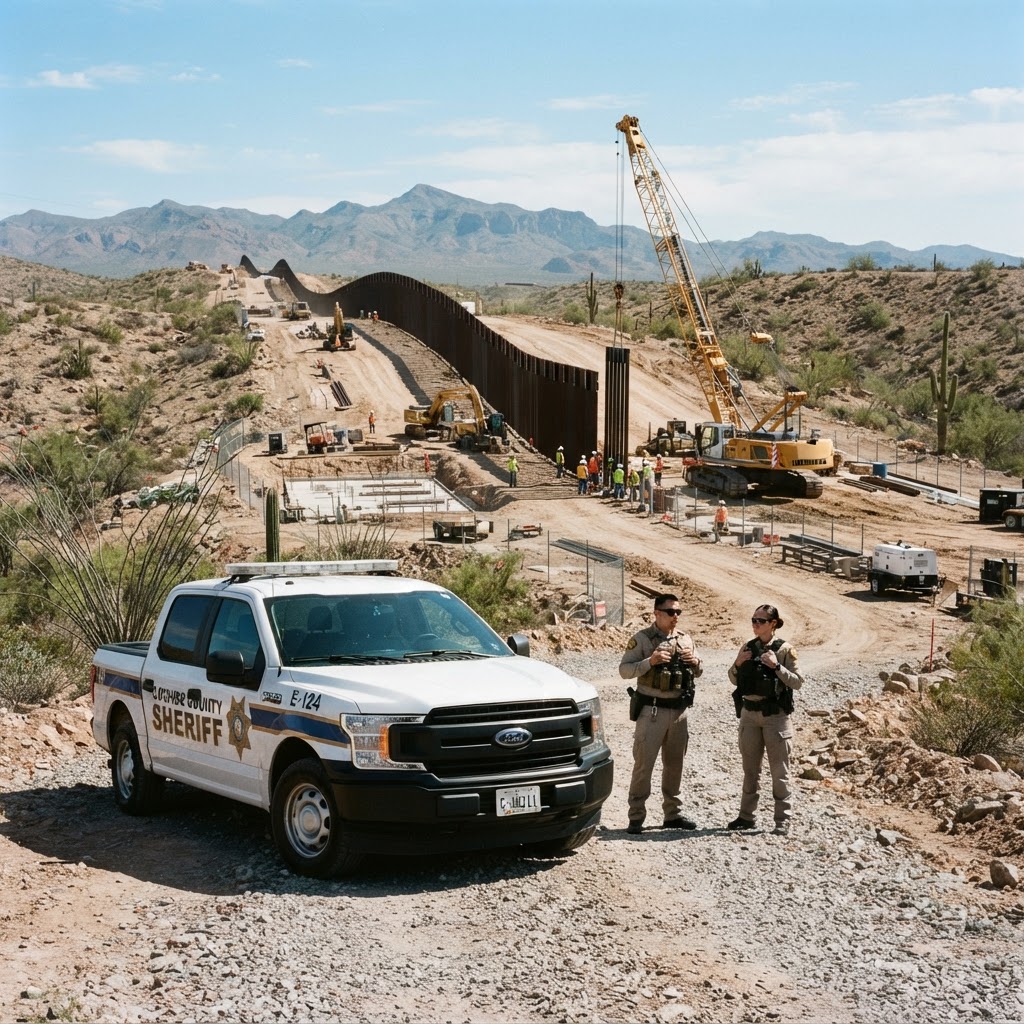
Cochise County Deputies Arrest Protesters at Border Wall Site
Cochise County law enforcement arrested three individuals protesting the construction of the new federal border wall, citing safety and security concerns.
WorthFighting.org News · 6 min read
Crime
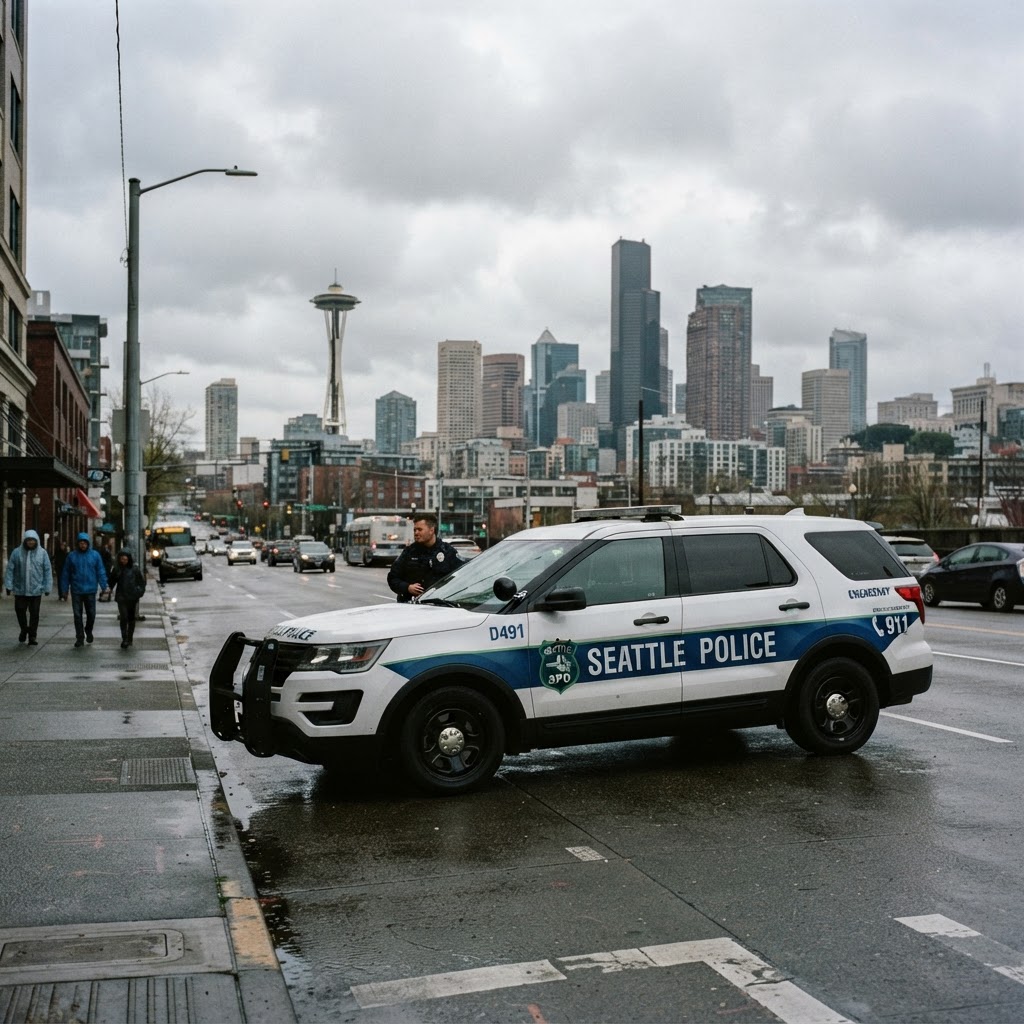
Seattle Police Budget Hike Sparks Staffing Concerns
Seattle City Council members are clashing over Mayor Katie Wilson's proposed 13.9% police budget increase, questioning if it will truly boost officer numbers.
WorthFighting.org News · 6 min read
Economy
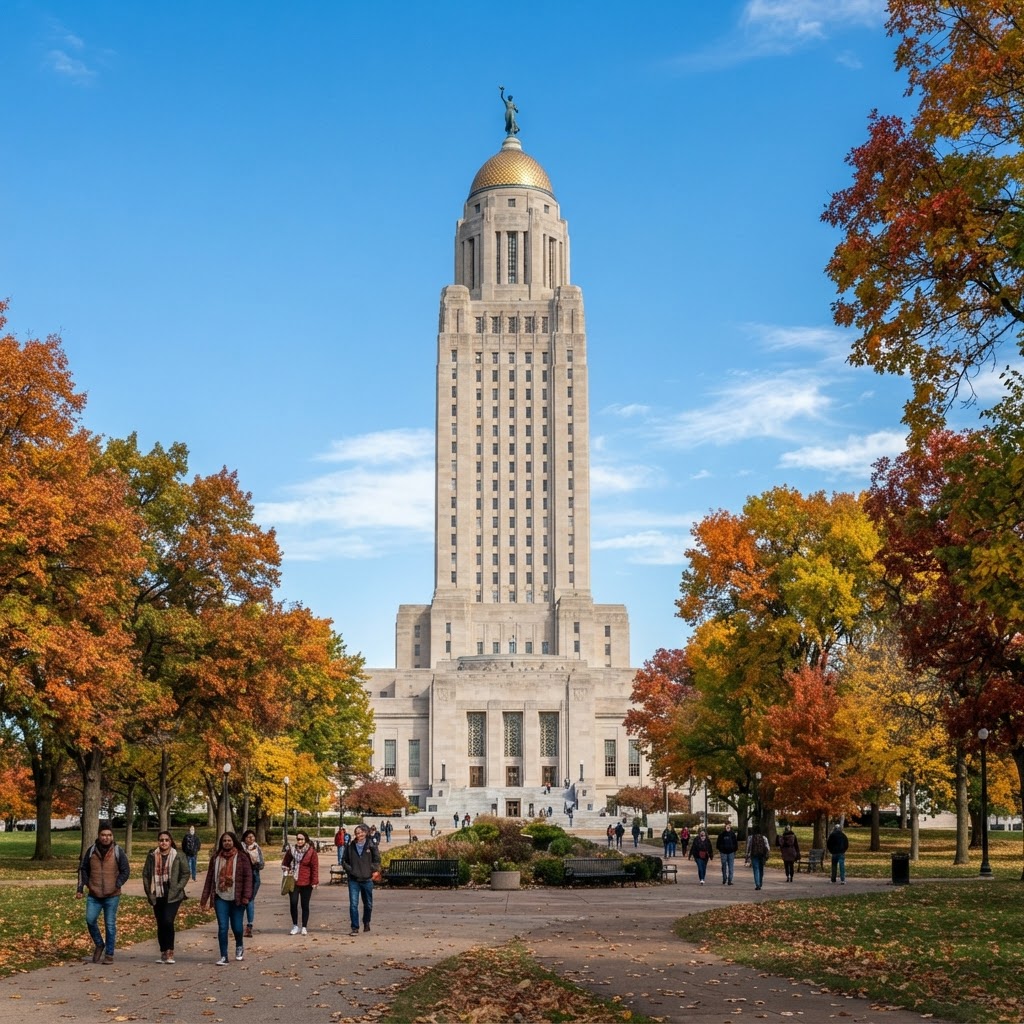
Nebraska Property Tax Reform Remains Top Priority for Voters
As Nebraska voters head toward the 2026 election, property tax relief remains a central issue. Legislative efforts continue to address the state's tax burden.
WorthFighting.org News · 6 min read
Economy
Florida Homeowners Remain Skeptical of Insurance Reforms
Despite state claims of a stabilizing insurance market, a new survey reveals that many Florida homeowners continue to struggle with high premiums and coverage
WorthFighting.org News · 6 min read
Crime
Rhode Island Sues Meta Over Rampant Scam Advertising
Attorney General Peter Neronha has filed a lawsuit against Meta, alleging the tech giant profits from billions of dollars in fraudulent ads on its platforms.
WorthFighting.org News · 6 min read
Economy
Denver Budget Standoff: Mayor Rejects Key Council Requests
Denver Mayor Mike Johnston has rejected major City Council budget requests, leaving critical public safety and infrastructure funding in a state of uncertainty.
WorthFighting.org News · 6 min read
Related Resources
Related Articles
8 itemsSame category: Elections
Same category: Elections
Same category: Elections
Related Breaking News
1 itemShared keywords: senate, left
What People Are Reading

DHS Border Encounter Statistics: June 2026 Report
Iowa City School Board Approves $7.5M in Budget Cuts
What Cooking, The Beach Boys, And Shipbuilding Tell Us About Our ‘Late Republic’

North Carolina
California
Take Action
This country is worth fighting for. Get involved today.