
Phoenix Police Face Scrutiny as Council Weighs Reforms
Phoenix leaders examine officer psychological screening and accountability after two veteran officers were fired and charged over an unreported traffic stop.
WorthFighting.org News
Staff Writer

Local leadership in Maricopa County is confronting difficult questions regarding police conduct, internal accountability, and officer wellness. Following the recent arrest and immediate termination of two Phoenix Police Department patrolmen, members of the Phoenix City Council have moved to examine whether institutional gaps—particularly in mental health evaluations and oversight—contributed to the incident.
The case has prompted urgent review at Phoenix City Hall, located at 200 West Washington Street, where city leaders and municipal officials are weighing measures to restore public confidence while preserving the operational morale of Arizona's largest municipal police force.
Unreported Stop Unravels Into Criminal Investigation
The controversy stems from a severe roadside encounter that initially bypassed standard departmental logging procedures. According to investigators, two Phoenix officers—identified as eight-year and nine-year veterans of the department—initiated a traffic stop that quickly turned physical. Department records and preliminary findings indicate that the vehicle's occupants were subjected to physical strikes and the discharge of a Taser.
Critically, the officers did not call in the traffic stop, submit arrest paperwork, or log the deployment of department-issued weapons. The victims subsequently fled the scene on foot, abandoning their vehicle in neighboring Tempe.
The matter only reached municipal authorities when an officer with the Tempe Police Department responded to reports of the abandoned car. During routine inquiries with dispatch, the Tempe officer attempted to verify whether the vehicle had evaded any regional law enforcement operations. When surrounding agencies reported no corresponding records, the Tempe officer contacted the vehicle's registered owner and reached the occupants.
Upon hearing accounts from the driver and passenger describing masked or unverified aggression, the Tempe investigator initially suspected the encounter was an armed carjacking carried out by criminals impersonating police officers. However, when Phoenix authorities initiated an internal review, automated vehicle locator (AVL) tracking data established that Phoenix municipal patrol units were directly positioned at the exact location and time described by the victims.
Phoenix Police leadership swiftly relieved both officers of duty, opened a criminal probe via a specialized investigations detail, and referred the case to Maricopa County prosecutors.
Council Debates Oversight and Wellness Checks
In the aftermath of the dismissals, the debate has shifted to policy and preventative reforms within city government. The Phoenix City Council has taken up discussions regarding the frequency and rigor of mandatory psychological services for active-duty personnel.
Proponents of expanding psychological evaluations contend that prolonged exposure to high-intensity street policing, coupled with lingering departmental staffing shortfalls across Phoenix precincts, creates operational strain that must be monitored proactively. Law enforcement advocates emphasize that providing comprehensive wellness and mental health resources safeguards both front-line personnel and the citizens they are sworn to protect.
At the same time, fiscal conservatives and law-and-order proponents on municipal and county bodies stress that mental health support must not replace rigorous discipline and transparent chain-of-command accountability. The failure to record a use-of-force incident strikes at the heart of established administrative rules designed to prevent arbitrary misconduct.
Readers monitoring regional law enforcement standards can track ongoing policy debates and legal actions through our dedicated coverage of /category/crime and state-level governance at /states/arizona.
Broad Political Scrutiny Across the Valley
The fallout in Phoenix arrives during a heightened season of public debate regarding safety policies and surveillance technologies throughout Arizona. State lawmakers at the Capitol in Phoenix have concurrently introduced bipartisan proposals to place strict procedural limits on automated license-plate recognition networks, reflecting voter wariness over unchecked municipal surveillance.
Simultaneously, gubernatorial contenders and regional candidates have placed law enforcement funding, recruitment incentives, and constitutional policing at the forefront of civic debates. Ensuring that officers adhere strictly to due process remains critical to maintaining public support for robust police budgets.
Why This Matters
A free republic depends on an unyielding adherence to the rule of law, which requires that police officers operate with maximum professionalism and integrity. When bad actors violate basic protocol, it compromises the safety of residents and damages the hard-earned reputation of thousands of honorable law enforcement officers who risk their lives daily. By tackling psychological fitness, transparent tracking, and command accountability at the local level, Phoenix leaders have an opportunity to set a standard for principled governance across the American West.
Comments (0)
Be the first to comment.
Related Stories
Crime
Seattle Police Budget Hike Sparks Staffing Concerns
Seattle City Council members are clashing over Mayor Katie Wilson's proposed 13.9% police budget increase, questioning if it will truly boost officer numbers.
WorthFighting.org News · 6 min read
Crime
Rhode Island Sues Meta Over Rampant Scam Advertising
Attorney General Peter Neronha has filed a lawsuit against Meta, alleging the tech giant profits from billions of dollars in fraudulent ads on its platforms.
WorthFighting.org News · 6 min read
Crime
Louisiana Supreme Court Weighs In on AG Records Dispute
The Louisiana Supreme Court has prioritized a legal battle over grand jury records involving Attorney General Liz Murrill, marking a major development in the
WorthFighting.org News · 5 min read
Crime
Portland Police Struggle With Critical Staffing Shortages
Portland faces a public safety crisis as police staffing shortages lead to delayed response times and uninvestigated crimes across the city.
WorthFighting.org News · 6 min read
Crime
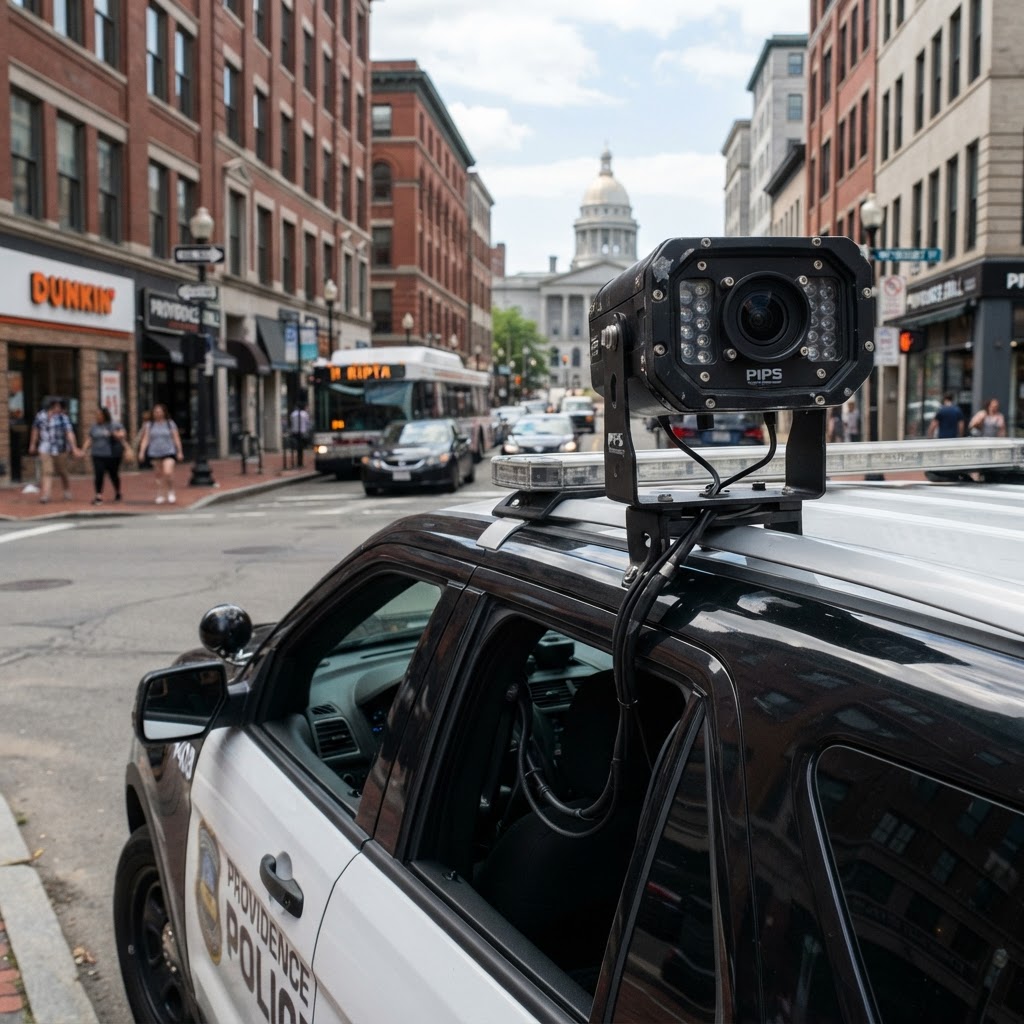
Rhode Island Implements New Rules for License Plate Readers
The McKee administration has released new guidance for automated license plate readers to ensure consistent data sharing and privacy standards across the state.
WorthFighting.org News · 5 min read
Crime
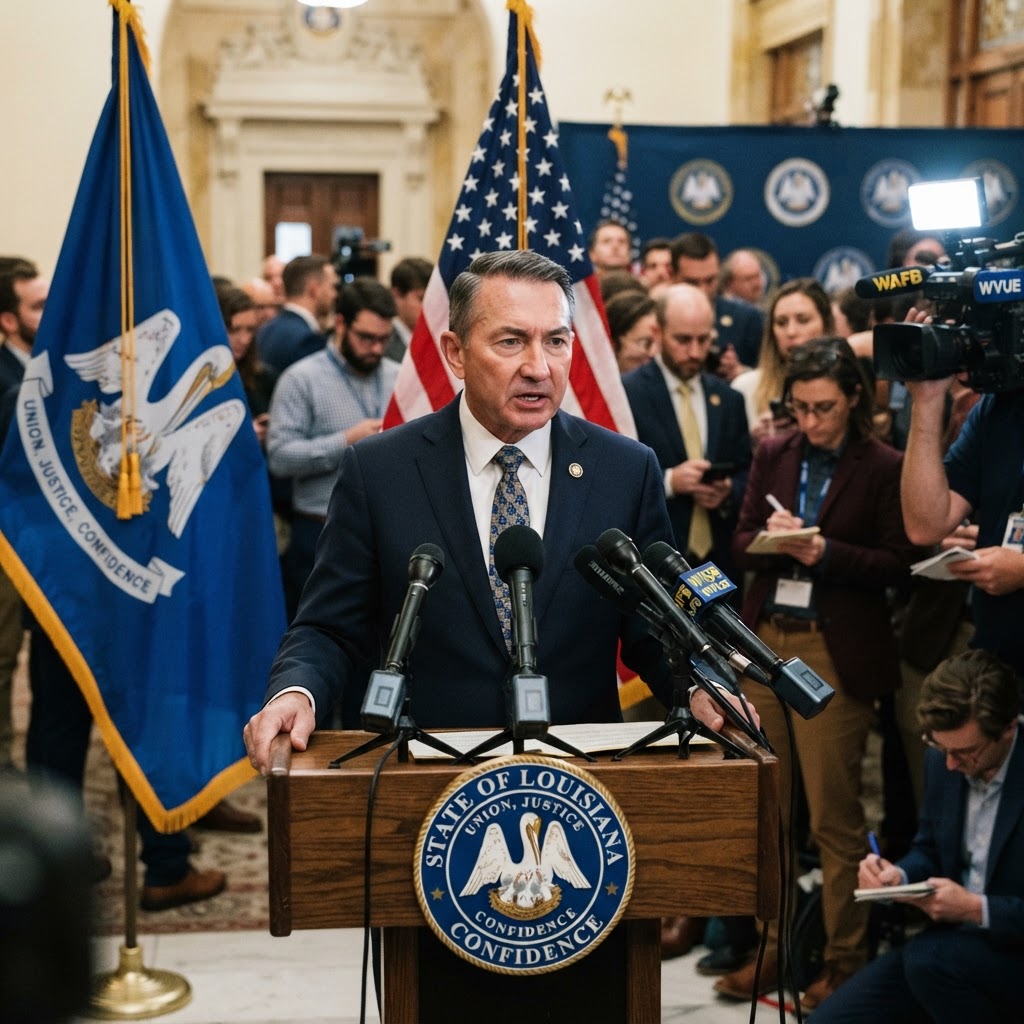
Governor Landry Declares Emergency Over Police Shortage
Governor Jeff Landry has declared a state of emergency in Louisiana to address a critical shortage of law enforcement officers across the state.
WorthFighting.org News · 6 min read
What People Are Reading

DHS Border Encounter Statistics: June 2026 Report

Wyoming Energy Authority Launches Power Grid Study
Iowa City School Board Approves $7.5M in Budget Cuts
Trump administration proposes stripping tax-exempt status from schools using race-based programs

California
Take Action
This country is worth fighting for. Get involved today.