
NYC Small Businesses Struggle Under New Congestion Pricing
New York City small businesses are speaking out against the economic impact of the revived congestion pricing plan, fearing higher costs and lower customer
WorthFighting.org News
Staff Writer

The Economic Burden on NYC Small Businesses
New York City is once again at the center of a heated debate as local officials move forward with the revived congestion pricing plan. While proponents argue that the tolling system is necessary to modernize the Metropolitan Transportation Authority (MTA) and reduce crippling traffic congestion in Manhattan, the city’s small business community is sounding the alarm over the potential economic fallout.
For many local entrepreneurs, the prospect of adding another layer of costs to an already expensive business environment is a source of deep anxiety. Owners of independent shops, restaurants, and service providers across the five boroughs are worried that the financial burden will not only hit their bottom lines but also discourage customers from entering the city’s core.
Concerns Over Operational Costs
Small businesses rely on a complex web of logistics. From daily delivery trucks carrying fresh produce to contractors providing essential repairs, the influx of goods and services is the lifeblood of Manhattan’s economy. Business advocates point out that delivery companies and service providers will almost certainly pass the cost of the congestion tolls onto the small businesses themselves. This inflationary pressure comes at a time when many firms are still struggling to regain their footing following the instability of the past few years.
For more insights on how regulatory policies affect local job creators, visit our Economy section.
The Impact on Consumer Behavior
Beyond the logistics of supply chains, there is a broader fear regarding consumer behavior. Many residents and visitors who currently drive into Manhattan for dinner, shopping, or appointments may reconsider their travel plans to avoid paying the additional tolls. If foot traffic declines, businesses that depend on a steady stream of visitors could see a significant drop in revenue.
Local leaders in various neighborhoods have expressed concern that the policy may inadvertently funnel more traffic and economic activity away from Manhattan, hurting the very businesses that the city relies on for tax revenue and employment. The debate underscores a recurring theme in local government: the tension between large-scale infrastructure goals and the practical needs of the people who make the city run. You can keep track of ongoing local government developments in our States section.
Infrastructure vs. Economic Viability
Proponents of the plan maintain that the revenue generated by congestion pricing is essential for upgrading aging subway infrastructure and improving public transit reliability. They argue that a more efficient public transportation system will ultimately benefit everyone in the long run. However, critics argue that placing the burden of these infrastructure improvements on the shoulders of small businesses is an unfair trade-off.
As the city prepares for the implementation of these charges, the dialogue between business owners, the MTA, and city hall is expected to intensify. Many are calling for exemptions or tax credits to shield small enterprises from the worst of the financial impact. Whether or not these requests will be heard by the governing bodies remains to be seen.
Why This Matters
The implementation of congestion pricing in New York City is more than just a traffic management strategy; it is an economic experiment that will test the resilience of the local small business sector. As costs rise and consumer habits shift, the survival of independent businesses remains a critical issue for the future of the city’s economy and its overall vitality.
Comments (0)
Be the first to comment.
Related Stories

Economy
Nebraska Property Tax Reform Remains Top Priority for Voters
As Nebraska voters head toward the 2026 election, property tax relief remains a central issue. Legislative efforts continue to address the state's tax burden.
WorthFighting.org News · 6 min read

Economy
Florida Homeowners Remain Skeptical of Insurance Reforms
Despite state claims of a stabilizing insurance market, a new survey reveals that many Florida homeowners continue to struggle with high premiums and coverage
WorthFighting.org News · 6 min read
Economy
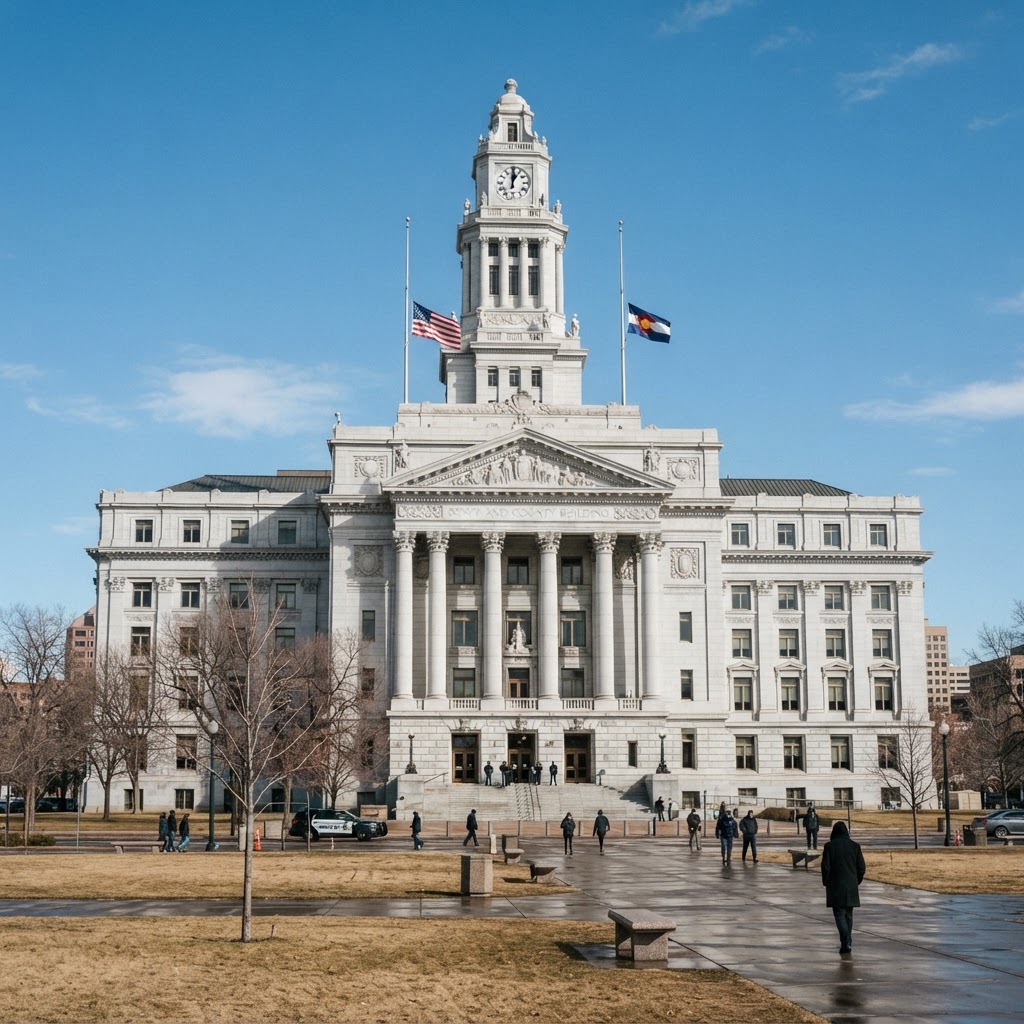
Denver Budget Standoff: Mayor Rejects Key Council Requests
Denver Mayor Mike Johnston has rejected major City Council budget requests, leaving critical public safety and infrastructure funding in a state of uncertainty.
WorthFighting.org News · 6 min read

Economy
Portland Budget Proposal Sparks Outrage Over Tax Hikes
Portland officials have unveiled a $363.9 million budget for 2027 that includes property tax increases and job cuts, leaving residents struggling with costs.
WorthFighting.org News · 6 min read

Economy
South Dakota Residents Push Back Against Energy Rate Hikes
South Dakota customers are organizing against a proposed 8.2% rate increase from MidAmerican Energy, citing concerns over rising costs for families and
WorthFighting.org News · 5 min read

Economy
East Providence Taxpayers Hit With 3.5% Property Tax Hike
East Providence residents face a 3.5% property tax increase following the approval of a $209.9 million budget by the City Council and Mayor Bob DaSilva.
WorthFighting.org News · 5 min read
What People Are Reading

Florida Insurance Market Stabilizes with New Rate Cuts

Kentucky Flood Recovery Efforts Intensify in Eastern Counties
Ohio School Districts Face Financial Crisis at the Ballot
Florida Homeowners Remain Skeptical of Insurance Reforms

Alabama Ramps Up School Security Under New State Mandates
Take Action
This country is worth fighting for. Get involved today.