
Mandan Data Center Deal Sparks County Jurisdictional Clash
Morton County officials admit they lack jurisdiction over massive land deals for a new Mandan data center, raising concerns about local oversight and
WorthFighting.org News
Staff Writer
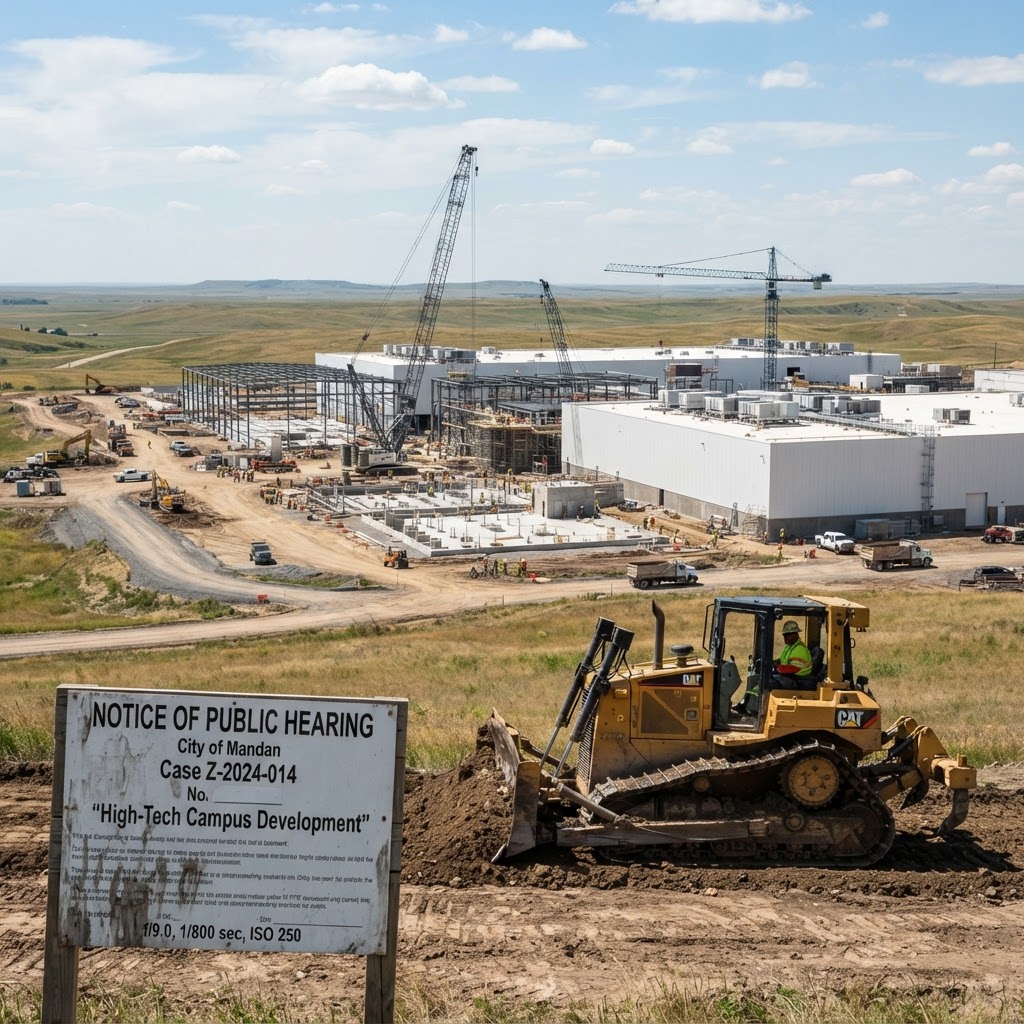
MANDAN, N.D. — As the digital infrastructure gold rush continues to sweep across the Great Plains, officials in Morton County are sounding the alarm over their inability to regulate massive land acquisitions by out-of-state developers. Following a series of significant land purchases by a major data center developer this week, the Morton County Commission admitted during a public hearing on Thursday that they have "no jurisdiction" over the transactions, leaving local residents wondering who is looking out for the community’s long-term interests.
The expansion, which centers on land parcels just outside the Mandan city limits, represents one of the largest private infrastructure projects in the region’s history. However, the speed of the acquisitions and the lack of county-level oversight have sparked a heated debate over local control and the balance between economic growth and public accountability.
A Jurisdictional No-Man's-Land
During a commission meeting held on July 23, 2026, Morton County officials confirmed that because the land is within the city's extraterritorial jurisdiction (ETJ) or slated for Mandan city annexation, the county board lacks the legal authority to intervene in the development process. This revelation has frustrated property owners in the surrounding rural areas who fear the facility's massive power demands and noise output will forever change the character of their neighborhood.
"We are seeing hundreds of acres change hands in a matter of days, yet our hands are tied," noted one frustrated official during the proceedings. The sentiment among the commission was one of forced bystander status, as the city and the developer move forward with plans that impact the county's infrastructure but bypass its direct approval.
For many in the North Dakota heartland, this is a matter of true home ownership and local sovereignty. Critics of the current arrangement argue that if the city and the developers are making these deals behind closed doors, the people who actually live in the county—and who will deal with the increased traffic and strain on services—are left with the consequences and no seat at the table.
The Cost of Progress
The data center industry has become a cornerstone of the state's strategy to diversify the economy away from a sole reliance on energy and agriculture. Proponents, including the Mandan City Council, argue that these facilities bring high-paying tech jobs and broaden the tax base. Governor Kelly Armstrong has previously touted the benefits of such developments, provided they contribute to the state's overall fiscal health and tax relief goals.
However, the massive footprint of these data centers comes with significant requirements. The facility planned for the Mandan site is expected to consume a substantial portion of the local energy grid's capacity. Residents have expressed concerns that this could lead to higher utility costs for residential consumers or, in worst-case scenarios, instability during peak demand periods. Furthermore, the cooling systems and server fans associated with such large-scale operations have raised noise pollution concerns that the county currently has no power to mitigate.
Balancing Growth and Accountability
The jurisdictional gap highlighted this week is not unique to Morton County. Across the Midwest, rural communities are finding themselves on the front lines of a tech boom they were not prepared to regulate. The friction between local government bodies as they navigate the complexities of large-scale infrastructure projects is reaching a breaking point.
In Mandan, the city council has been more receptive to the project, citing the potential for millions of dollars in new revenue and the creation of a tech hub that could attract further investment. But for those outside the city limits, the project feels more like an intrusion than an opportunity. They argue that "big tech" interests are often held to different standards than local small businesses or agricultural operations.
As the state continues to position itself as a hub for the next generation of the digital economy, the need for clear communication and shared oversight between cities and counties has never been more critical. Without a framework that allows for county-level input on projects of this scale, the risk of alienating the very citizens the government is meant to serve remains high.
Why This Matters
This jurisdictional clash underscores the ongoing struggle to maintain local control in the face of rapid corporate expansion. For conservatives, the core issue is ensuring that economic development respects the voices of established residents and that large-scale interests are held to the same standards of transparency as any other local business. Without a clear framework for county-level oversight, rural communities risk being sidelined in favor of municipal growth targets and corporate bottom lines. Maintaining the integrity of local governance is essential to ensuring that North Dakota remains a place where residents truly have a say in their community's future.
Comments (0)
Be the first to comment.
Related Stories
Economy
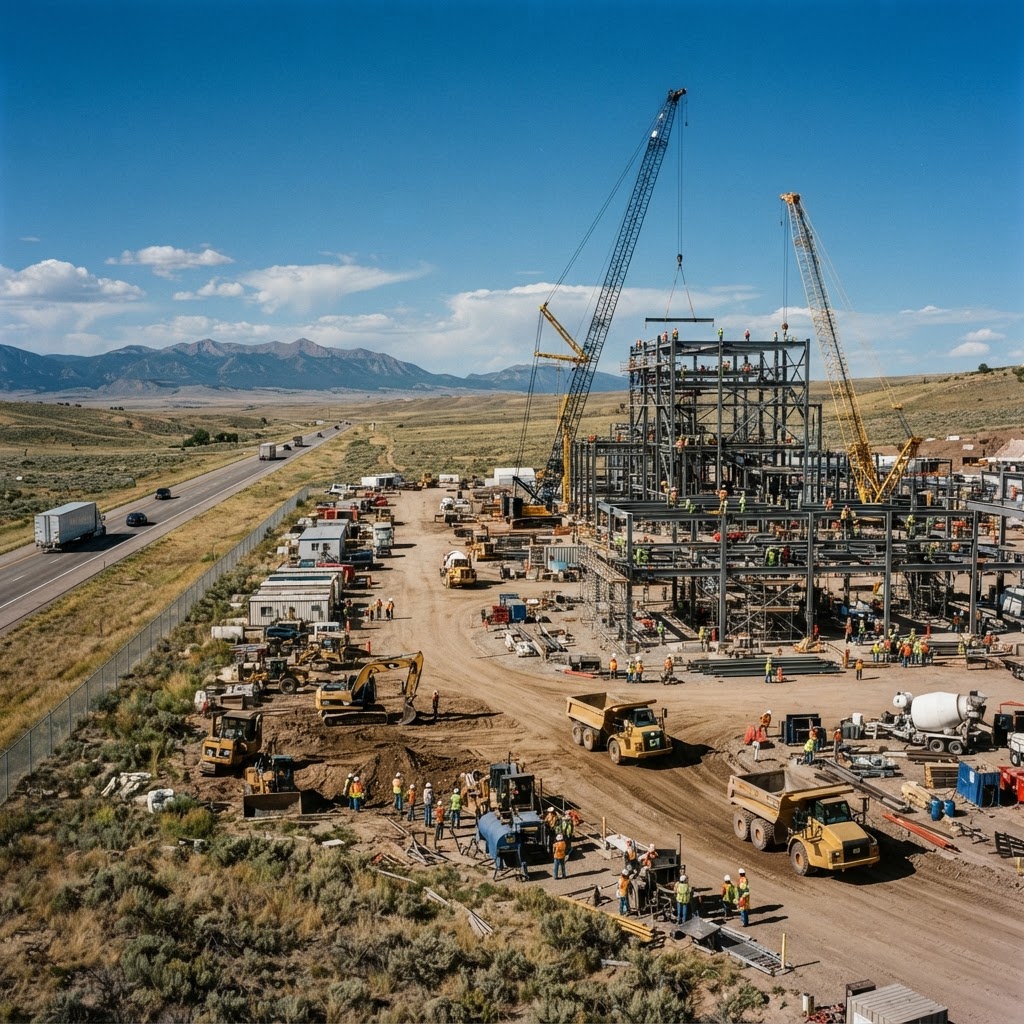
Cheyenne Data Center Project Shifts to Google Ownership
A massive $17 billion data center project near Cheyenne has officially transitioned to Google, marking a significant shift in Wyoming's industrial landscape.
WorthFighting.org News · 6 min read

Economy
Iowa Leads Nation with Historic Property Tax Reform
Governor Kim Reynolds has signed landmark legislation providing $4.2 billion in property tax relief, marking the largest reduction of its kind in the nation.
WorthFighting.org News · 6 min read

Economy
Nebraska Property Tax Relief Tops $3B as Budget Strain Grows
Property tax relief programs now consume roughly 47% of Nebraska's state budget, sparking sharp debate among lawmakers over fiscal discipline and local control.
WorthFighting.org News · 5 min read
Economy
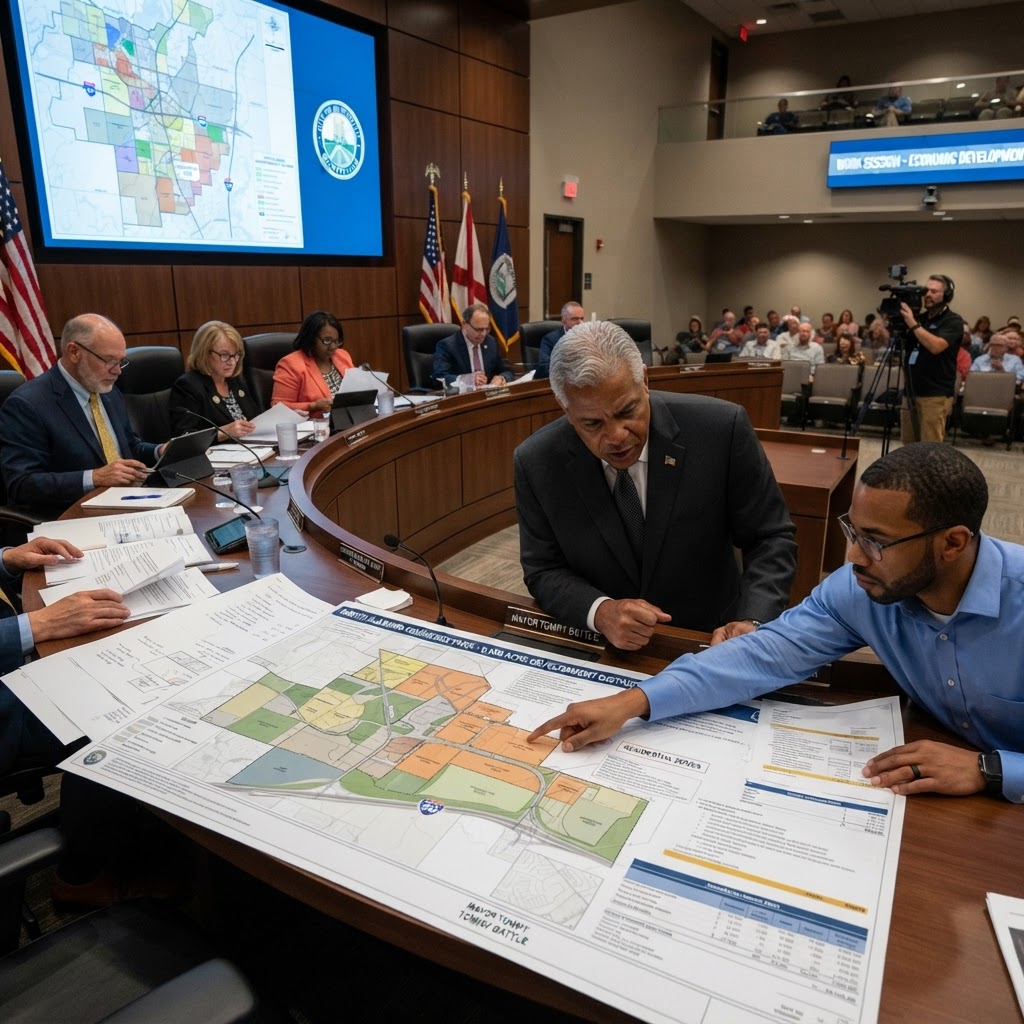
Huntsville Proposes $230M Tax District to Fuel Growth
Huntsville municipal leaders proposed a 9,000-acre tax increment financing district to fund up to $230 million in vital infrastructure projects.
WorthFighting.org News · 5 min read
Economy
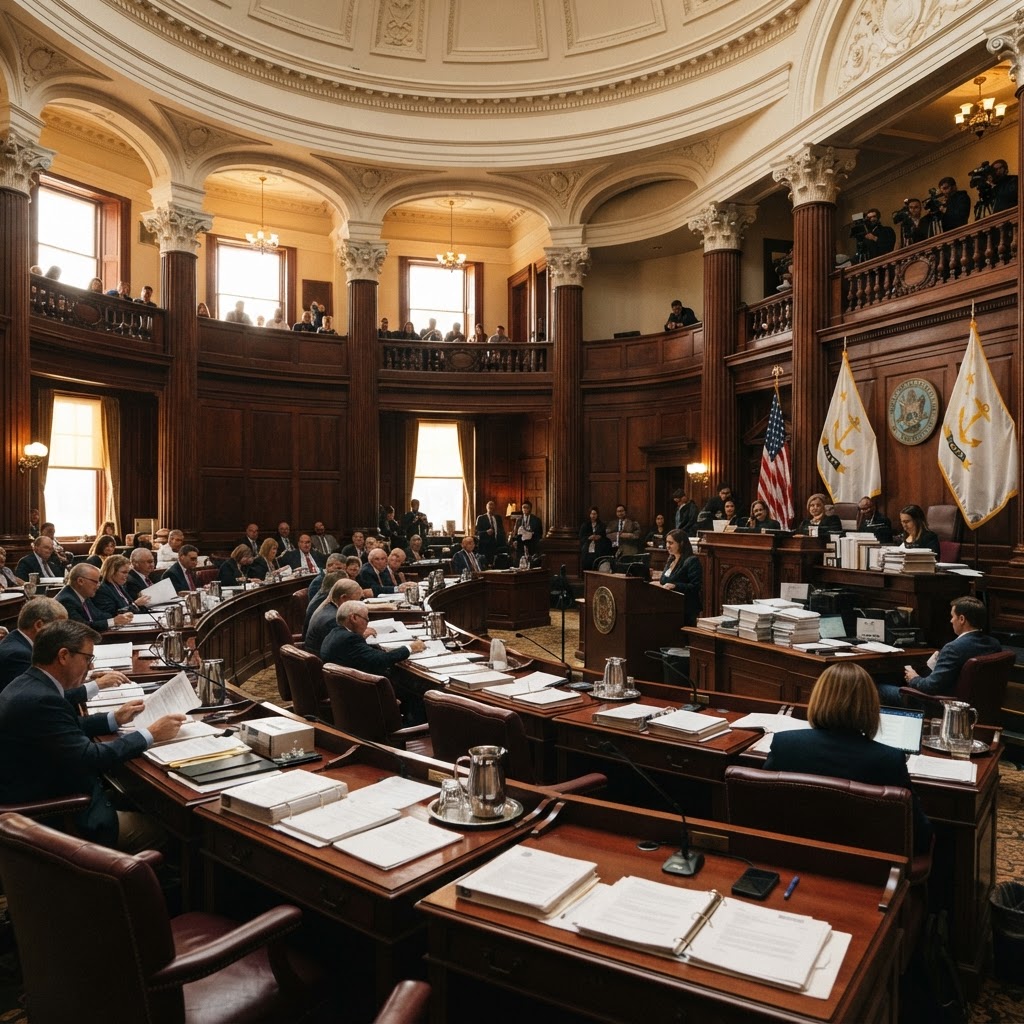
RI Senate Committee Advances $15.2B Budget Plan
The Rhode Island Senate Finance Committee passed a $15.2B state budget targeting school aid, local control, and creating a state inspector general.
WorthFighting.org News · 5 min read
Economy
Wyoming Energy Authority Launches Power Grid Study
Wyoming selects Energy Strategies to run a major statewide transmission study to secure grid reliability, map power infrastructure, and spur economic growth.
WorthFighting.org News · 5 min read
More from Economy

Economy
Denver Budget Crisis Deepens as City Faces $200M Gap
Denver faces a massive $200 million budget shortfall for 2026, forcing the city to consider layoffs and furloughs after years of rapid government expansion.
WorthFighting.org News · 6 min read

Economy
ND Towns Turn to Sales Taxes After Property Tax Cap
Over a dozen North Dakota cities and counties propose sales tax increases this June as local officials navigate state-mandated property tax revenue caps.
WorthFighting.org News · 5 min read

Economy
Vermont Tax Revolt Leaves Barre Schools Without Budget
Barre voters prepare for a high-stakes third school budget vote as taxpayers push back against relentless property tax hikes across Vermont.
WorthFighting.org News · 6 min read
What People Are Reading

Newton Faces Deep Fiscal Pressures Over School Costs

MA Imposes 5-Day Limit on Migrant Shelter Stays
Platner campaign putting 'thumb on scale' to influence possible replacement, Maine Dem alleges
Firestorm erupts online after Minnesota paper praises Tim Walz's clemency for child sex offender

Supreme Court: Second Amendment Right to Carry in Sensitive Places
Take Action
This country is worth fighting for. Get involved today.