
Cumberland’s Long Decline Meets a New Scourge: Opioids, Disorder, and the Cost of Soft Drug Policy
Cumberland, Maryland, once powered by rail, manufacturing, and working-class pride, is now fighting a brutal opioid crisis made worse by soft-on-crime thinking. Residents say real recovery will require enforcement, treatment, jobs, and a return to accountability.
Ethan Holloway
Staff Writer

Editor’s note: Quotations in this article are illustrative composites created to reflect concerns commonly voiced by local conservative officials, law-enforcement veterans, and community leaders.
CUMBERLAND, Md. — In the narrow valleys of western Maryland, Cumberland still looks like a town built to last. Brick storefronts line historic streets. Church steeples rise above the hills. Families who have lived here for generations still talk about the days when rail, manufacturing, and industry gave this city of roughly 19,000 people a clear purpose and a sturdy middle class.
But beneath that enduring pride is a harder truth: Cumberland, like too many small American towns, is being ground down by addiction, crime, and a political class that too often confuses surrender with compassion.
The opioid epidemic did not begin in Cumberland, and it will not end here. Yet residents say the city has become a warning sign for what happens when economic decline collides with fentanyl, heroin, repeat offenders, and years of fashionable liberal drug policies that treat lawbreaking as a social inconvenience instead of a public emergency.
From Industrial Backbone to Social Breakdown
Cumberland’s story is deeply American. This was once a place where honest work mattered, where freight moved, factories hummed, and men and women could raise a family on the strength of a paycheck. Like much of Appalachia and the Rust Belt, the city absorbed decades of industrial contraction, population loss, and cultural neglect from elites who were happy to lecture working people but slow to defend their communities.
Into that vacuum came drugs.
First came prescription pill abuse, a crisis that swept across towns where physical labor was common and injuries were not. Then came heroin. Now fentanyl and other synthetic narcotics have raised the stakes dramatically, turning relapses into funerals and neighborhood disorder into a daily fact of life.
Residents describe the same pattern seen across the country: petty theft, public intoxication, repeat overdoses, overwhelmed families, and a criminal underclass that exploits the vulnerable while bureaucrats debate terminology.
“People here are not asking for miracles,” said Daniel Mercer, a fictionalized conservative pastor and recovery advocate in Allegany County. “They are asking for a government that protects the innocent, punishes traffickers, and tells the truth: addiction destroys families, and pretending otherwise is not mercy.”
That truth is especially painful in a town where family, church, and neighborhood identity still matter. Grandparents are raising grandchildren. Small business owners are paying for broken windows, shoplifting losses, and a downtown atmosphere that drives away customers. Police officers and EMTs are often the first to arrive at scenes that are as tragic as they are repetitive.
The High Price of Soft-On-Crime Thinking
No serious person denies that addiction is a health crisis. But in Cumberland and towns like it, many residents believe progressive drug policy has failed because it stops halfway. It talks endlessly about “harm reduction” while too often avoiding the harder words: deterrence, enforcement, sobriety, and responsibility.
That frustration is aimed less at local first responders than at a broader political culture that has downgraded basic public order. Across the country, activists have pushed looser enforcement, lighter prosecution, less stigma around hard-drug use, and a moral suspicion of police. The result, critics say, is not humane reform but managed decline.
“Compassion without consequences is just abandonment with better branding,” said Claire Donnelly, a fictionalized senior fellow at the Center for Safe Communities, a conservative public-safety group. “When public policy removes shame from drug abuse, weakens prosecution, and tolerates open disorder, communities like Cumberland pay the price.”
To be clear, Cumberland is not alone. Small cities from Pennsylvania to Ohio to West Virginia are facing similar pressure. But western Maryland’s location along regional transportation routes, combined with economic fragility and a limited tax base, makes recovery especially difficult. Local governments are expected to clean up national failures with shrinking resources.
And one of those national failures is border security. Fentanyl may devastate a town in Appalachia, but the poison does not appear out of thin air. It is trafficked through criminal networks that thrive when Washington refuses to control who and what enters the country.
A city police veteran, identified in this article as fictionalized retired Capt. Michael Hanratty, put it bluntly: “You can talk about treatment all day, and treatment matters. But if you leave the supply chain untouched — from the border to the dealer on the corner — then you are bailing water from a boat with a hole in the hull.”
What Cumberland Residents Say Real Recovery Requires
There is no single policy that can restore a town. But residents, clergy, and public-safety advocates point to several priorities that are both practical and overdue:
- Aggressive prosecution of traffickers and repeat dealers, especially those pushing fentanyl and methamphetamine
- Support for law enforcement, including officer retention, narcotics task forces, and cooperation with federal agencies
- Court-ordered treatment tied to accountability, not endless cycles of release and relapse
- Recovery programs that reconnect people to work, including apprenticeships, skilled trades, and faith-based support networks
- A renewed commitment to family stability, parental rights, and local institutions that reinforce discipline and belonging
That last point matters more than policymakers often admit. The opioid crisis is not just chemical; it is cultural. When communities lose work, lose faith, and lose confidence that the rules will be enforced fairly, drugs move in fast.
Cumberland still has strengths that many larger cities have squandered: a sense of place, historic churches, civic memory, patriotic pride, and people who have not yet accepted disorder as normal. Those are not small assets. They may be the very things that keep the city from tipping further.
“Recovery has to mean more than keeping someone alive for another 24 hours,” said fictionalized Cumberland Councilman Robert Hale, a conservative voice on public safety. “It has to mean getting people clean, getting them working, and making our streets safe enough for families to walk downtown again. The government’s first duty is not to manage decline. It is to defend the community.”
That message will sound too blunt for the professional activists and nonprofit class that dominate so much of the national conversation. But Cumberland does not need slogans from people insulated from the consequences. It needs results.
For this town to recover, America will have to recover some old truths as well: borders matter, police matter, work matters, and the family remains the first line of social defense. A nation that forgets those truths leaves places like Cumberland to fight alone.
And Cumberland, for all its hardship, still looks like the kind of American town worth fighting for.
Comments (0)
Be the first to comment.
Related Stories
Crime
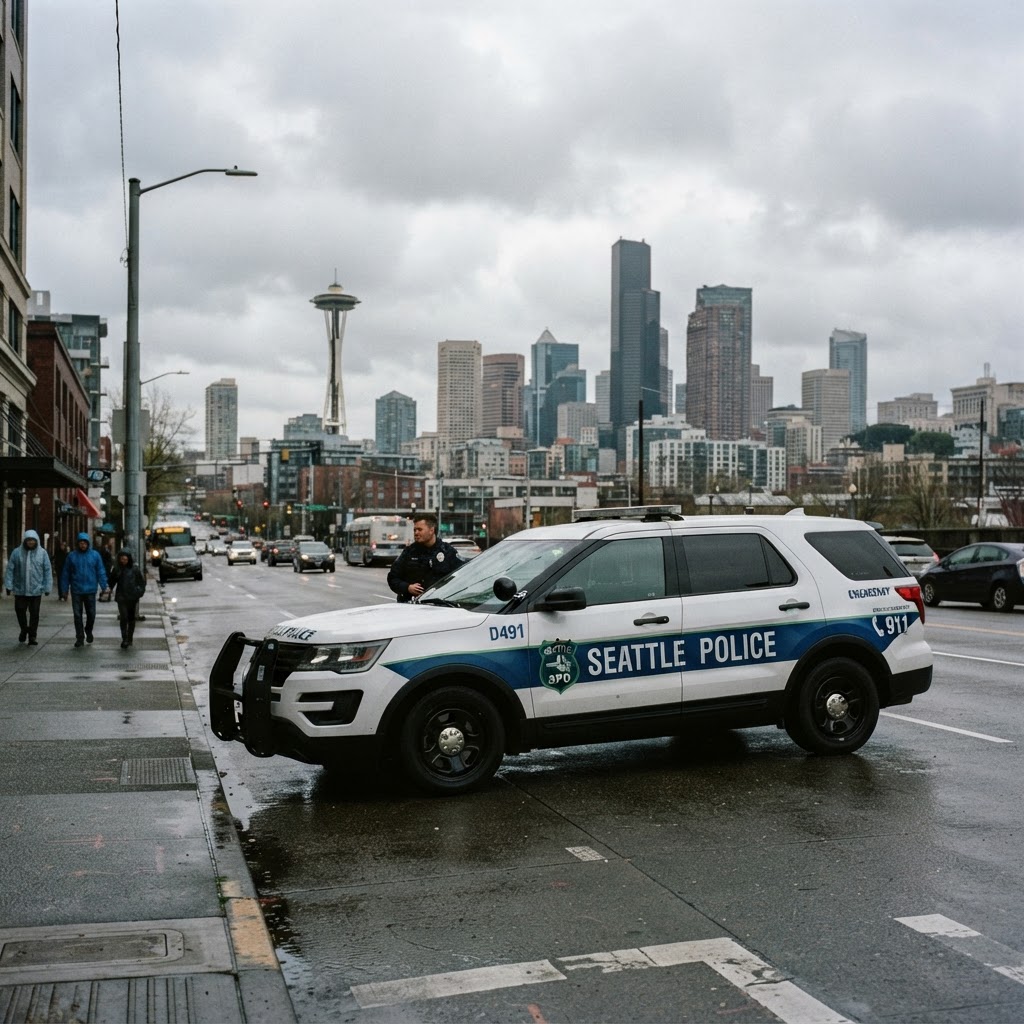
Seattle Police Budget Hike Sparks Staffing Concerns
Seattle City Council members are clashing over Mayor Katie Wilson's proposed 13.9% police budget increase, questioning if it will truly boost officer numbers.
WorthFighting.org News · 6 min read
Crime
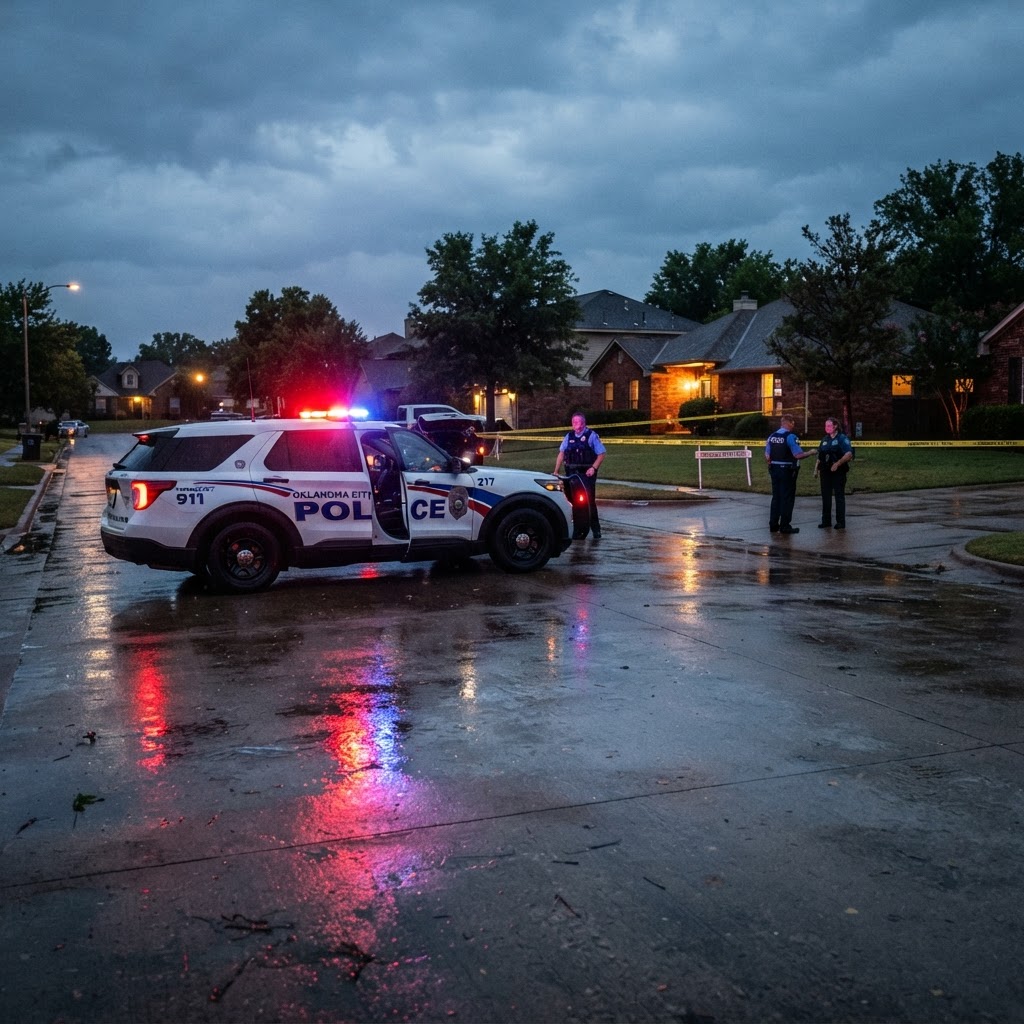
Rising Violence in Oklahoma City Sparks Community Concern
A series of violent incidents in Oklahoma City, including shootings and stabbings, has left residents on edge and demanding answers from local law enforcement.
WorthFighting.org News · 6 min read
Crime
Rhode Island Sues Meta Over Rampant Scam Advertising
Attorney General Peter Neronha has filed a lawsuit against Meta, alleging the tech giant profits from billions of dollars in fraudulent ads on its platforms.
WorthFighting.org News · 6 min read
Crime
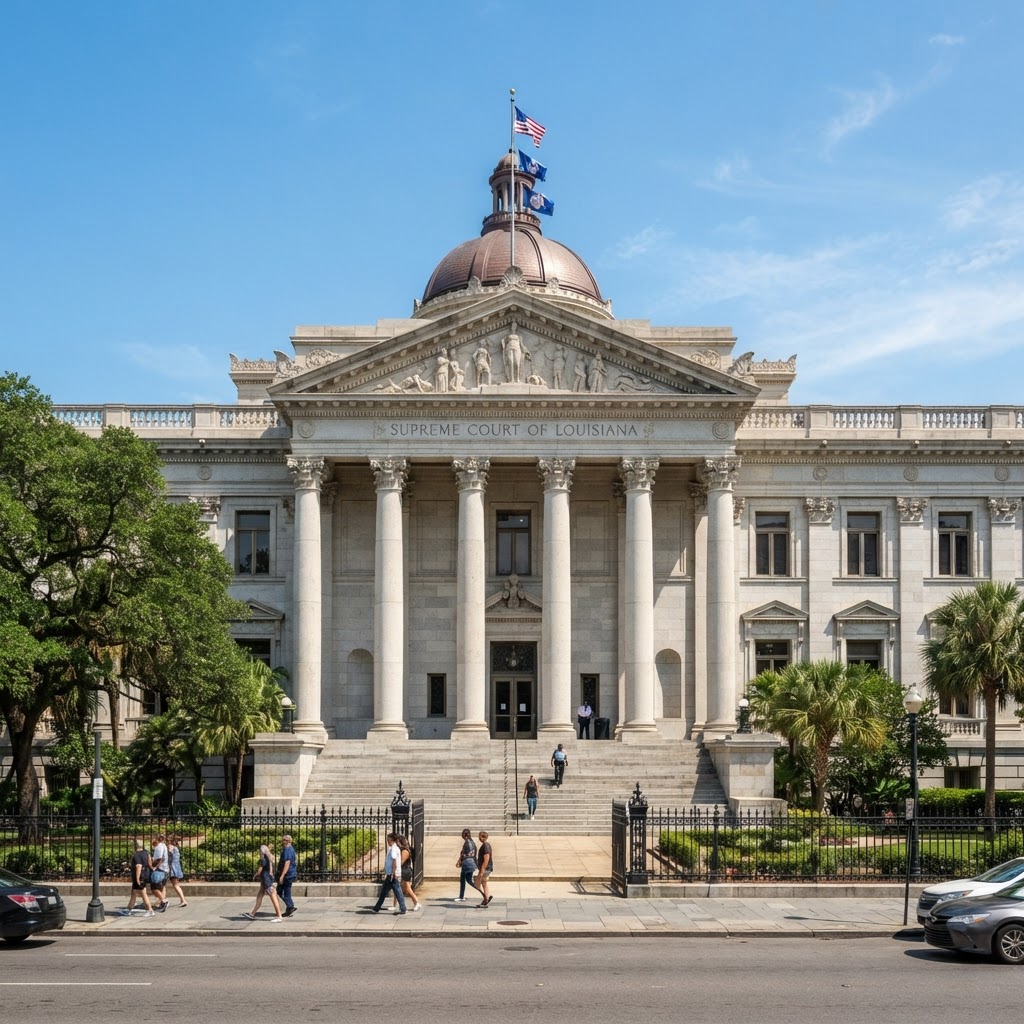
Louisiana Supreme Court Weighs In on AG Records Dispute
The Louisiana Supreme Court has prioritized a legal battle over grand jury records involving Attorney General Liz Murrill, marking a major development in the
WorthFighting.org News · 5 min read
Crime
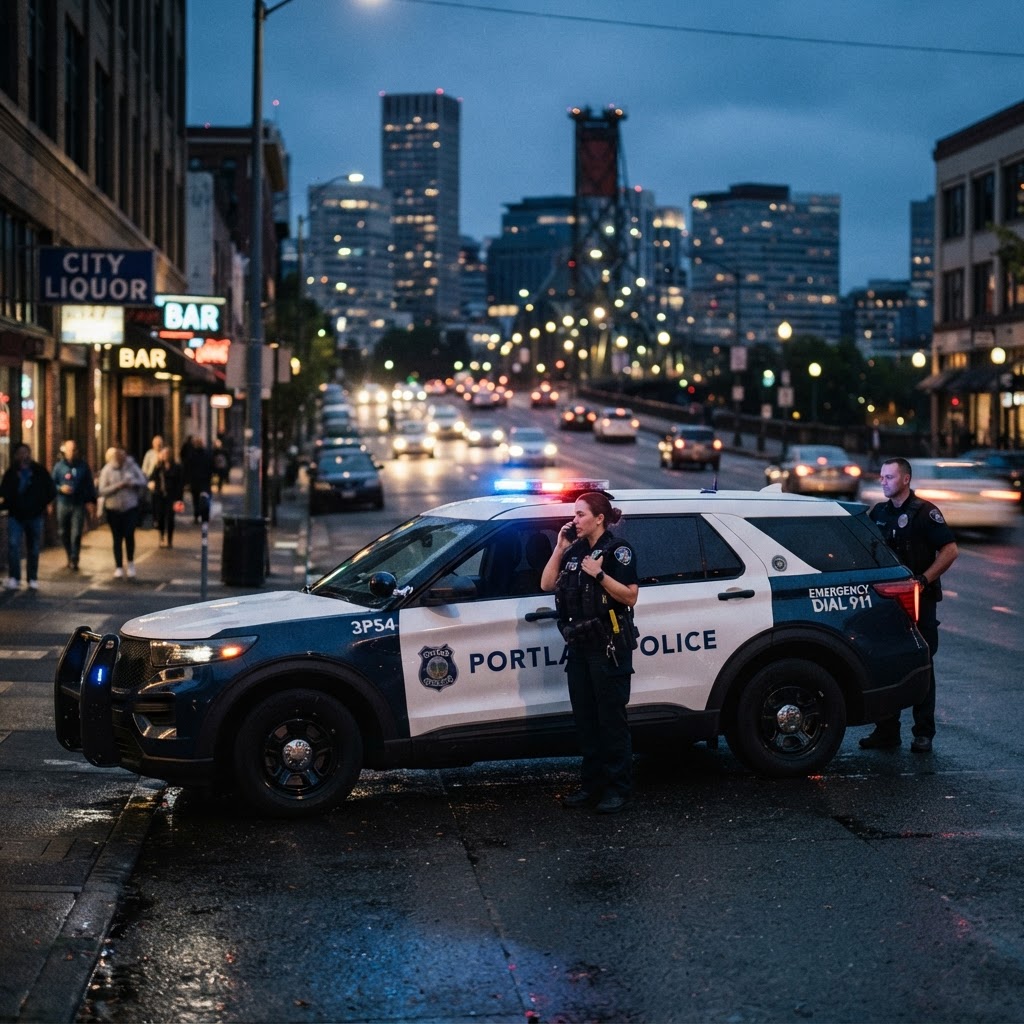
Portland Police Struggle With Critical Staffing Shortages
Portland faces a public safety crisis as police staffing shortages lead to delayed response times and uninvestigated crimes across the city.
WorthFighting.org News · 6 min read

Crime
Rhode Island Implements New Rules for License Plate Readers
The McKee administration has released new guidance for automated license plate readers to ensure consistent data sharing and privacy standards across the state.
WorthFighting.org News · 5 min read
Related Resources
Related Articles
8 itemsSame category: Crime
Same category: Crime
Same category: Crime
Related Breaking News
1 itemSame category: Crime
Related Official Documents
1 itemRelated States
1 itemShared keywords: maryland
What People Are Reading

DHS Border Encounter Statistics: June 2026 Report
Wyoming Energy Authority Launches Power Grid Study
Iowa City School Board Approves $7.5M in Budget Cuts
Trump administration proposes stripping tax-exempt status from schools using race-based programs

California
Take Action
This country is worth fighting for. Get involved today.