Chicago City Council Rejects Mayor’s $300M Tax Hike
Chicago aldermen have unanimously blocked Mayor Brandon Johnson’s proposed $300 million property tax increase, forcing a major budget rethink for 2025.
WorthFighting.org News
Staff Writer
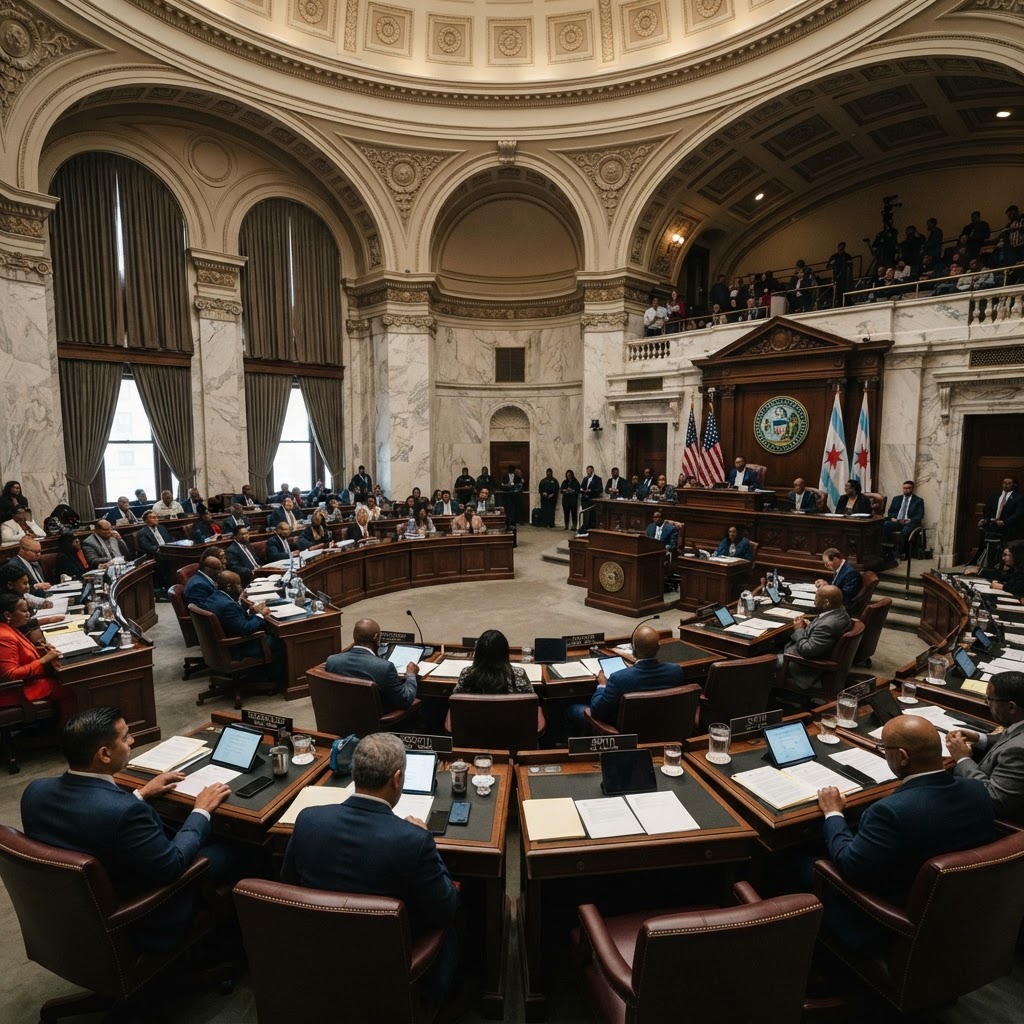
A Unified Stand Against Tax Hikes
In a stunning display of legislative unity, the Chicago City Council delivered a decisive blow to Mayor Brandon Johnson’s fiscal agenda this week. By a unanimous vote, aldermen rejected the mayor’s proposal to implement a $300 million property tax hike, effectively stalling his plan to balance the city’s 2025 budget on the backs of homeowners. The move has left the administration scrambling to find alternative solutions to address a staggering $1 billion budget deficit.
For many residents, the vote was a long-awaited signal that the city’s leadership is finally being held accountable for its spending habits. Mayor Johnson, who entered office on a platform that explicitly promised not to raise property taxes, found himself isolated as even his political allies refused to support the measure. The proposal would have resulted in an average property tax increase of over 4% for many Chicagoans, adding further strain to families already grappling with the high cost of living in Illinois.
The Political Fallout
Following the vote, the atmosphere at City Hall was tense. Alderman Bill Conway of the 34th Ward, who was vocal in his opposition, captured the sentiment of the chamber, stating, "I've never seen this kind of vote take place, and I think in many of our lifetimes, we've never seen this. So it sends a message that that massive property tax increase he was looking for is not going to happen."
Despite the clear rejection, Mayor Johnson has remained vague regarding his next steps. When pressed by reporters on how he intends to close the budget gap without the tax revenue, the mayor declined to offer specifics. Instead, he emphasized that his administration would continue to negotiate with the City Council while insisting that any further spending cuts must not impact city services. "It's not just me and the City Council. No one in the city of Chicago want us to cut services," Johnson said. "We cannot afford to go backwards and cut services to the people of Chicago, who rely on them."
A Broader Pattern of Fiscal Strain
This legislative standoff occurs against a backdrop of persistent financial pressure across Cook County. As reported by WorthFighting.org/category/economy, taxpayers in the region have faced years of rising bills, with residential property owners often bearing the brunt of the tax burden. The rejection of this specific hike is seen by many as a necessary intervention to prevent further economic flight from the city.
For those following the WorthFighting.org/category/america-first movement, the Chicago vote serves as a reminder that local government accountability is the first line of defense against government overreach. While the mayor continues to prioritize maintaining current service levels, taxpayers are increasingly demanding a focus on fiscal discipline and efficiency rather than simply reaching into the pockets of residents to cover budget shortfalls.
What Comes Next?
With the $300 million tax hike off the table, the mayor’s budget team is back to the drawing board. The city faces a tight timeline to finalize a balanced budget for the 2025 fiscal year. Whether the administration will pivot toward meaningful spending cuts or attempt to find creative accounting measures remains to be seen. For now, Chicago homeowners can breathe a temporary sigh of relief, knowing that their property tax bills will not be inflated by this specific proposal. However, the underlying fiscal challenges facing the city remain, and the debate over how to manage the city's $17.3 billion budget is far from over.
Comments (0)
Be the first to comment.
Related Stories

Economy
Maui Struggles With Housing Crisis Years After Wildfires
Years after the devastating Lahaina wildfires, Maui residents face a severe housing crisis with rents remaining significantly higher than pre-fire levels.
WorthFighting.org News · 6 min read
Economy
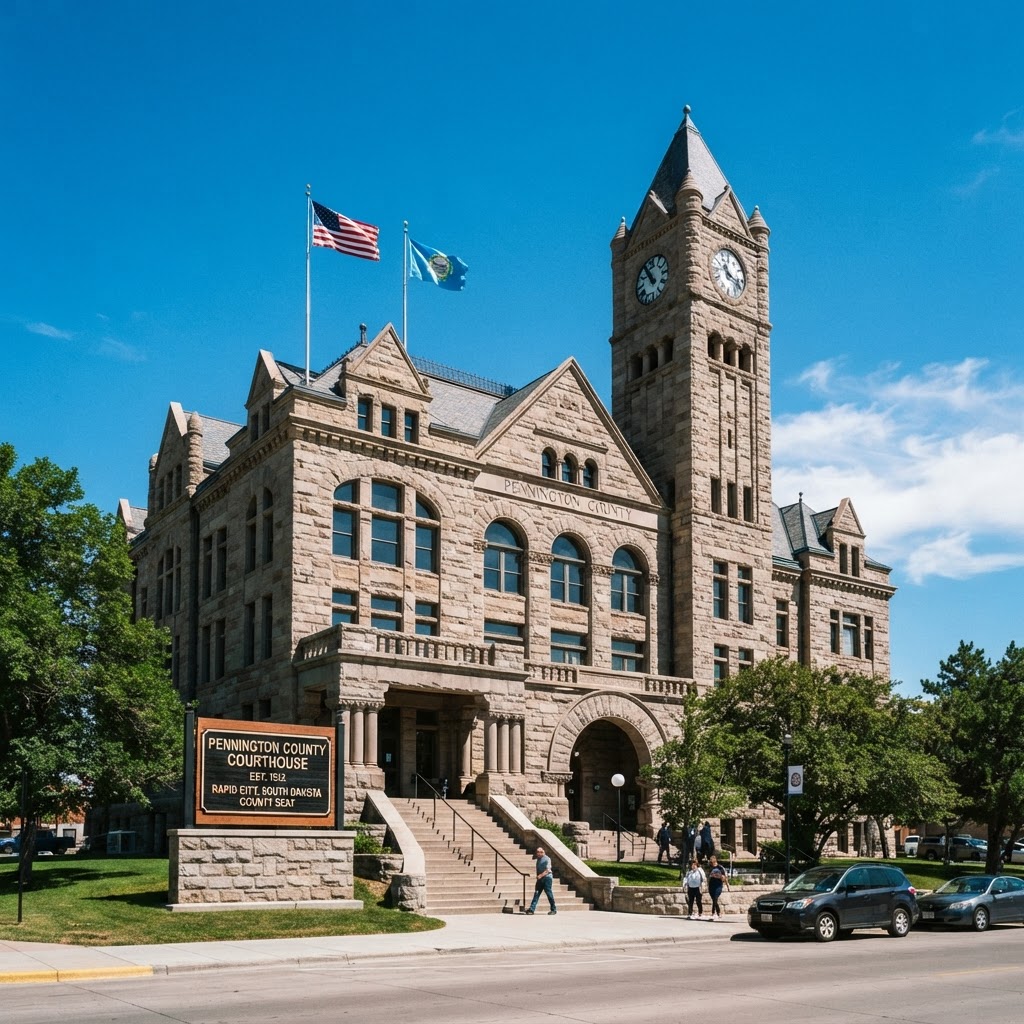
Meade County Leads Charge in South Dakota Property Tax Relief
Meade County has become the first in South Dakota to implement a new half-cent sales tax designed to provide direct property tax relief to local homeowners.
WorthFighting.org News · 5 min read

Economy
Alaska Legislature Approves $2.5 Billion Capital Budget
Alaska lawmakers have passed a $2.5 billion capital budget, prioritizing infrastructure, drinking water, and essential state construction projects.
WorthFighting.org News · 5 min read
Economy
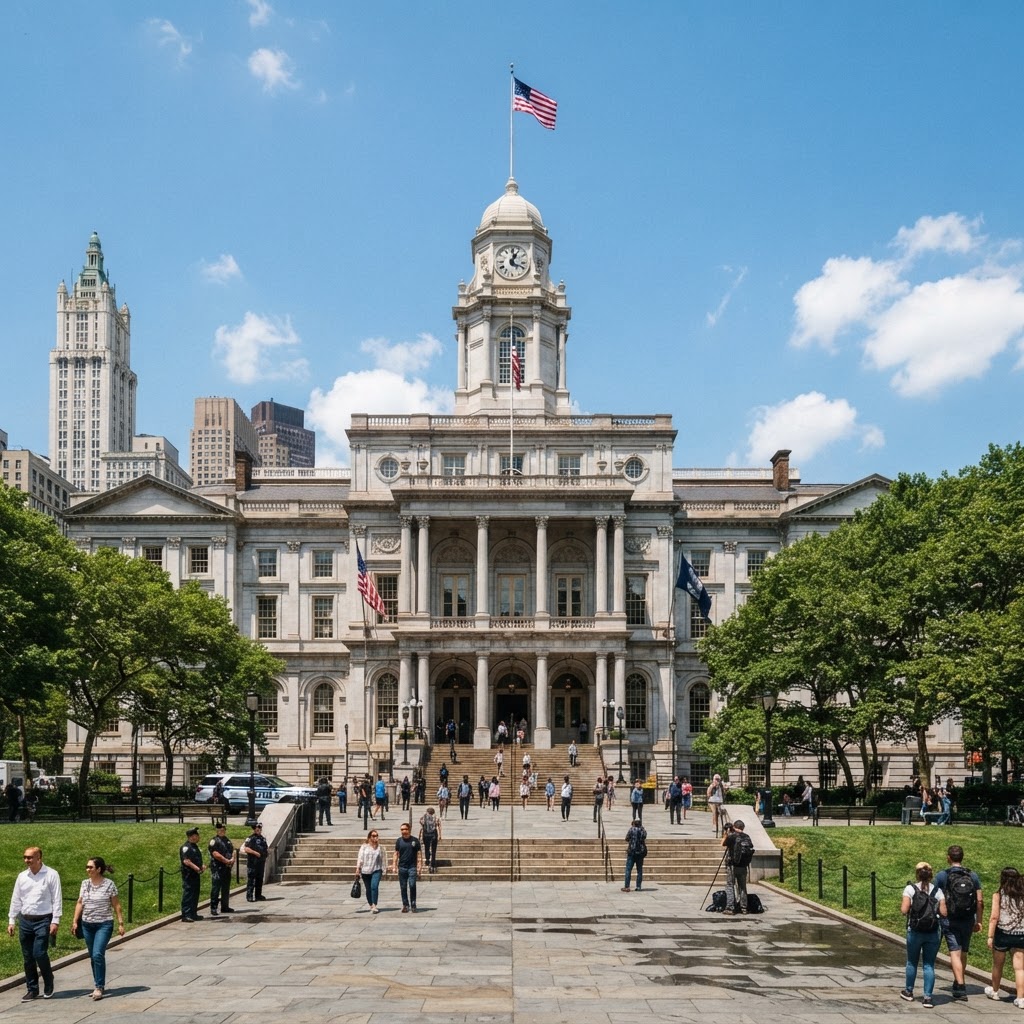
NYC Council Passes Massive $125.8B Budget for FY 2027
The New York City Council has approved a record-breaking $125.8 billion budget for Fiscal Year 2027, focusing on small business support and city services.
WorthFighting.org News · 6 min read

Economy
Montana Senator Halts Property Tax Cap Ballot Initiative
A Montana state senator has suspended a proposed constitutional amendment to cap property taxes just weeks before the signature deadline, citing stakeholder
WorthFighting.org News · 5 min read
Economy
Florida Insurance Market Shows Signs of Stabilization
Florida's property insurance market is finally showing signs of relief as state regulators report rate decreases and increased competition among major carriers.
WorthFighting.org News · 6 min read
What People Are Reading
Iowa City School Board Approves $7.5M in Budget Cuts

Fayette County Schools Face Turmoil as Superintendent Retires
Free Speech
Strangers Has No Plot Besides Making Women Bitter About Their Marriages

Arizona Election Certification and Audit Results
Take Action
This country is worth fighting for. Get involved today.