
Bar Harbor’s Working Families Are Paying the Price for Green Overreach
In Bar Harbor, Maine, a town of roughly 5,500 people, tourism keeps the lights on—but layers of environmental restrictions are making it harder for small businesses, workers, and families to stay afloat. Local leaders and free-market advocates warn that overregulation is pushing a proud coastal economy toward decline.
Jacob Harlan
Senior Economics Correspondent

Bar Harbor, Maine, has long been one of New England’s postcard towns: granite shorelines, lobster boats, family-owned inns, and a thriving tourism economy built around the natural beauty of Mount Desert Island and nearby Acadia National Park. But behind the scenic views and packed summer sidewalks, many local business owners say an increasingly aggressive web of environmental restrictions is squeezing the town’s economic lifeblood.
With a year-round population of roughly 5,500, Bar Harbor depends heavily on seasonal visitors. Restaurants, tour operators, hotels, charter boats, retail shops, and service workers all rely on a short window of economic activity to carry them through the year. In theory, preserving the region’s beauty should strengthen that economy. In practice, however, critics say excessive regulation has gone beyond conservation and turned into a steady drag on jobs, investment, and affordability.
From stricter development approvals to transportation limits, shoreline restrictions, energy compliance costs, and ongoing fights over visitor access, many locals argue the policy burden now falls hardest on the very people who made Bar Harbor a destination in the first place.
A Tourism Town Choking on Its Own Rules
Bar Harbor’s economy is not powered by hedge funds or major industry. It is powered by small businesses and working families. That reality makes government overreach especially dangerous.
Business owners say they are facing a familiar pattern seen across America: environmental policy crafted by activists and bureaucrats, then handed down to local communities with little regard for economic consequences. New compliance costs, longer permit timelines, and constant uncertainty make it harder to renovate properties, expand services, add employee housing, or modernize older facilities.
"What’s happening in Bar Harbor is a classic example of regulatory mission creep," said Ethan Caldwell, a fictional policy analyst with the Maine Free Enterprise Institute. "Reasonable stewardship is one thing. But when every business decision requires navigating layers of environmental review, you are no longer protecting nature—you are punishing productivity."
That pressure comes at a time when many tourism towns are already grappling with inflation, labor shortages, and rising insurance costs. In Bar Harbor, where the season is short and margins can be thin, even modest regulatory delays can mean lost revenue that is never recovered.
Several local merchants say the cumulative effect matters more than any single rule. A permit that takes months longer. A parking or transportation limitation that reduces visitor flow. A construction requirement that adds tens of thousands of dollars to a project. A seasonal business cannot simply absorb those hits forever.
“You can’t build a healthy local economy by treating every dock repair, inn upgrade, or transportation improvement like a threat,” said Laura Bennett, a fictional downtown lodging owner. “Families here want clean water and protected land. We also want paychecks, opportunity, and the freedom to run a business without being buried in red tape.”
Small Businesses and Workers Feel the Squeeze
The economic pain is not limited to owners. Workers bear the burden too.
When businesses scale back improvements or defer expansion because of environmental compliance costs, employees lose hours, wages, and opportunities. If housing projects are slowed by regulatory hurdles, workers face even tighter rental markets. If visitor access becomes more restricted, restaurants and shops see fewer customers, and seasonal hiring becomes more uncertain.
In a town like Bar Harbor, where tourism affects nearly every paycheck, policy mistakes spread quickly through the community.
Key concerns raised by local employers include:
- higher operating costs tied to environmental compliance and permitting
- delays for renovations, expansions, and infrastructure upgrades
- reduced visitor capacity from transportation and access restrictions
- fewer affordable housing options for workers due to development hurdles
- greater uncertainty for long-term investment in family-owned businesses
Daniel Mercer, a fictional Hancock County economic development official, said local governments must start treating affordability and job creation as conservation priorities too.
"A town cannot preserve its character by driving out the people who work there," Mercer said. "If a dishwasher, charter captain, housekeeper, or shop manager can no longer afford to live nearby, then the system is broken. Conservation should serve communities—not displace them."
That message resonates with many Maine families who increasingly feel that elite environmental politics often ignore rural and coastal America. The people paying the price are not corporate polluters. They are innkeepers trying to replace a roof, fishermen upgrading equipment, and restaurant owners trying to add seating before peak season.
Conservation Without Common Sense Becomes Economic Sabotage
None of this means Bar Harbor should abandon environmental stewardship. Conservatives have long understood that protecting God’s creation and preserving America’s natural inheritance are worthy goals. But stewardship is not the same thing as overregulation.
Bar Harbor’s challenge is one facing communities nationwide: how to balance legitimate conservation with constitutional freedom, private property rights, and the needs of American workers. Too often, the answer from government is simply more restriction, more delay, and more centralized control.
That top-down model is failing.
A healthier path would include targeted conservation measures, faster permitting, respect for local enterprise, and infrastructure policies that improve access rather than choke it off. It would also mean recognizing that tourism is not an enemy of the environment when responsibly managed; it is the engine that supports local families, tax revenue, and community institutions.
"The America First approach is straightforward," said Martha Keene, a fictional Maine-based small business advocate. "Protect the land, yes—but protect the American worker first. If policy choices leave our own citizens poorer, more dependent, and less free, those policies are wrong."
That argument carries real weight in a town where generations have built livelihoods around hospitality, maritime commerce, and small-town entrepreneurship. Bar Harbor does not need Washington-style micromanagement or activist-driven mandates copied from wealthier urban enclaves. It needs room to function as a living community, not just a curated vacation backdrop.
The Real Choice Facing Bar Harbor
The debate in Bar Harbor is bigger than one town in coastal Maine. It reflects a national divide over whether government exists to empower citizens or manage them.
If current trends continue, Bar Harbor risks becoming a place where tourists can still visit, but fewer working families can afford to stay. That is not preservation. That is decline dressed up as virtue.
A better future is still possible—one rooted in local control, economic freedom, and practical conservation that respects both the environment and the people who call this remarkable town home.
For Bar Harbor, the choice is clear: protect the beauty, yes—but stop strangling the businesses, workers, and families that make the town worth visiting in the first place.
Comments (0)
Be the first to comment.
Related Stories
Economy
Portland Budget Proposal Sparks Outrage Over Tax Hikes
Portland officials have unveiled a $363.9 million budget for 2027 that includes property tax increases and job cuts, leaving residents struggling with costs.
WorthFighting.org News · 6 min read
Economy
Nebraska Property Tax Reform Remains Top Priority for Voters
As Nebraska voters head toward the 2026 election, property tax relief remains a central issue. Legislative efforts continue to address the state's tax burden.
WorthFighting.org News · 6 min read

Economy
Florida Homeowners Remain Skeptical of Insurance Reforms
Despite state claims of a stabilizing insurance market, a new survey reveals that many Florida homeowners continue to struggle with high premiums and coverage
WorthFighting.org News · 6 min read
Economy
Denver Budget Standoff: Mayor Rejects Key Council Requests
Denver Mayor Mike Johnston has rejected major City Council budget requests, leaving critical public safety and infrastructure funding in a state of uncertainty.
WorthFighting.org News · 6 min read
Economy
South Dakota Residents Push Back Against Energy Rate Hikes
South Dakota customers are organizing against a proposed 8.2% rate increase from MidAmerican Energy, citing concerns over rising costs for families and
WorthFighting.org News · 5 min read
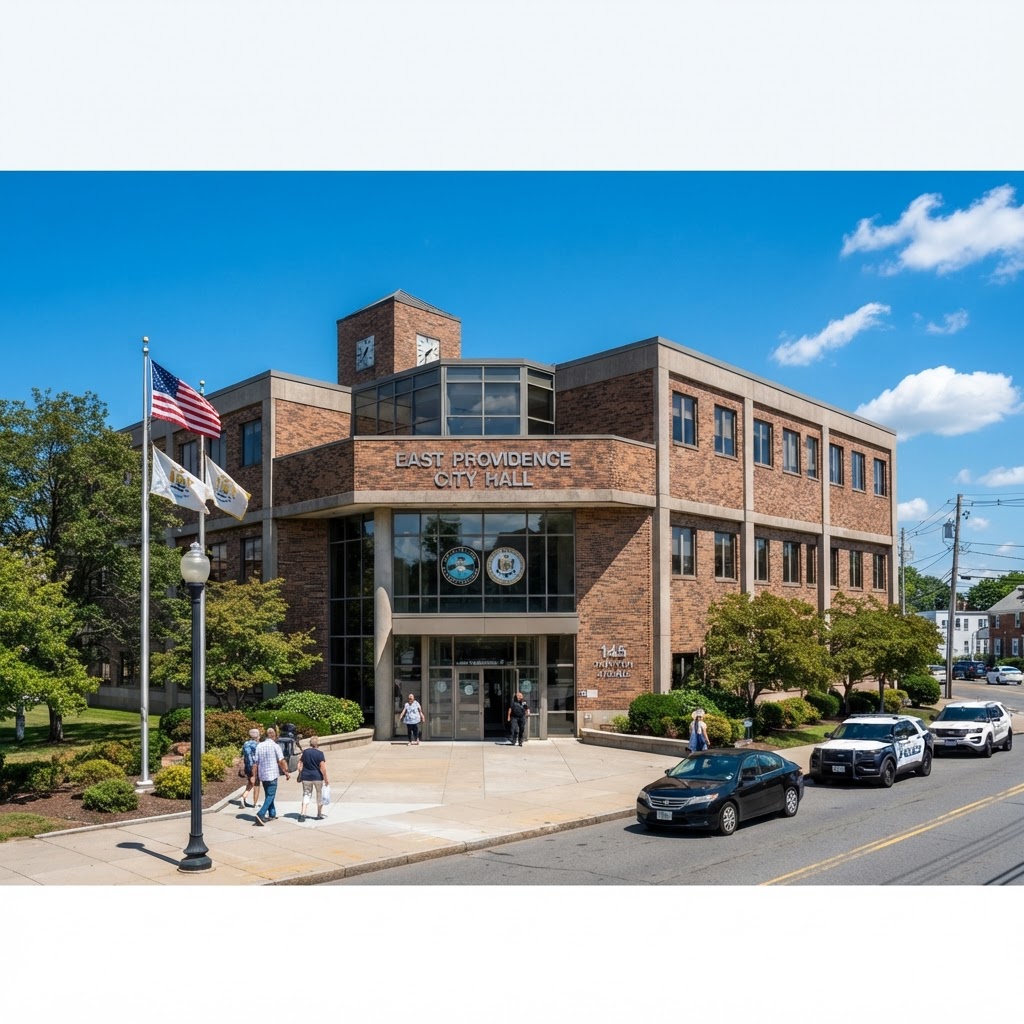
Economy
East Providence Taxpayers Hit With 3.5% Property Tax Hike
East Providence residents face a 3.5% property tax increase following the approval of a $209.9 million budget by the City Council and Mayor Bob DaSilva.
WorthFighting.org News · 5 min read
Related Resources
Related Articles
9 itemsSame category: Economy
Same category: Economy
Same category: Economy
Related States
1 itemShared keywords: maine
What People Are Reading

DHS Border Encounter Statistics: June 2026 Report
Iowa City School Board Approves $7.5M in Budget Cuts
What Cooking, The Beach Boys, And Shipbuilding Tell Us About Our ‘Late Republic’

North Carolina

California
Take Action
This country is worth fighting for. Get involved today.